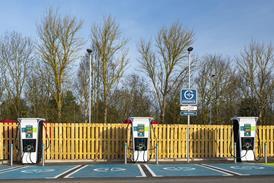
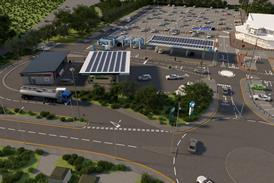
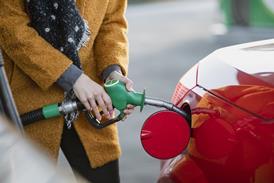
There should be a lot more unmanned petrol stations in the UK than there currently are, whether that be fully unmanned 24/7 or having the ability to trade fuel overnight while the shop is closed. One reason for this is the lack of knowledge and understanding about how to operate unmanned sites and comply with the regulations.
The biggest hurdle to operating unmanned is the industry guidance, which suggests that the operator of an unmanned filling station must be able to respond to an incident which requires attendance, within a five-minute window.
In mainland Europe, where unmanned filling stations are more prevalent, this rule/guidance doesn’t exist.
The legal emphasis in the UK is on the operator of the filling station to protect the public from hazards. This requires a well thought out and robust risk assessment and associated control measures to prevent any issues.
Supermarkets have been operating unmanned in the UK for many years and have a specific advantage in that they are linked to a superstore within the same plot of land, which normally has at least 24-hour manned security on site with the ability to attend the site within five minutes.
There could be a disconnect between the ‘five-minute rule’ (or is it guidance?) and the site’s risk assessment and control measures, though. In theory, if it is possible to adequately control all the potential hazards on a filling station without requiring manned attendance, then manned attendance should not be required.
Key questions need to be addressed in a risk assessment: What happens if there is a spill of fuel on the forecourt when someone overfills their tank? How do you help customers if they spill fuel on their clothes, etc?
Another hurdle to operating unmanned is how to ensure legal compliance in terms of licensing factors such as not selling petrol to underage people, or people trying to fill illegal containers such as plastic water bottles.
This is where it gets complicated and frustrating as the ‘rules’ must be met, despite the risk being incredibly low. In terms of frequency, a risk assessment could probably ignore the ‘hazard’ of selling fuel to underage people, however the law is the law, so the requirement needs to be met. The reality is that there is no 100% way of preventing the sale of petrol to people underage. A determined person could obtain a fake ID, even if you wanted to go to the lengths of checking it.
It would also be reasonable to assume that if a person drives on to a forecourt and uses a bank or credit card to authorise a pump via an outdoor payment terminal, that they are not underage. The odds therefore of there being an issue for an operator must be 100,000s or millions to one.
A current trending topic with unmanned is suicide by petrol/fire. An incident occurred recently where a person purchased petrol to pour on themselves and then set themselves on fire. Although this is incredibly rare, the supermarket where the fuel was purchased is likely being challenged on whether they could have prevented this from happening if a human had been physically authorising the pump. This is where things can get tricky. A lawyer can probably make a strong case that a fuel retailer cannot be held responsible if someone is determined to set themselves on fire, and to put controls in place to guarantee this can’t happen is not reasonably practical. This could be compared to a person jumping in front of a train or tube, although new stations on the London Underground are preventing this from happening with control measures. This is where the grey areas and potential challenges to unmanned operating risk assessments can be occur. How deep the pockets of the fuel retailers are as well can have a bearing as some supermarkets will have much bigger legal budgets than a local authority would have for prosecutions but an independent retailer with one site could more easily be prosecuted and then a legal precedent be set.
The solution is for all fuel transactions to be approved remotely but an argument could be that this carries similar costs to a manned operation. Automation is possible, though, and Eurotank has been working with our technology partners to create automated solutions to help fuel stations owners operate unmanned petrol stations safely.
In reality, the main requirement and the one the regulators care most about for operating unmanned, is the prevention of the sale of fuel to persons using non-approved containers.
This checklist highlights the key things a fuel retailer will need to go unmanned:
- Detailed risk assessment/control measures
- Outdoor payment terminal, ideally linked to POS if a shop is present
- CCTV, with remote monitoring station
- Ability to kill the power to the site remotely in the event of an emergency
- A person able to respond to visit the site as quickly as your risk assessment requires, but five minutes is the target
There are ways of limiting the need to send a person to site, which should also be considered at the beginning of the journey to unmanned operating. Having adequate drainage channels around the pumps to catch any vehicle tank overfills and the ability to show the site as being closed at the pole sign, are good control measures to prevent the need to get someone to site urgently, for example.
Technology and restrictive practices have also played their part in the relatively low take-up of pay at pump in the UK. Manufacturers of pumps and point of sale equipment move slowly and aren’t keen to do it unless there’s a strong business case for them so the current lack of demand is creating a lack of supply. Aftercare and parts for pin pads and card readers can be painful/costly, and when you select a supplier to work with for outdoor payment you really are putting your eggs in their basket and there is a risk that they’ve got you trapped because of the high cost to change.
Another barrier has been retailer mindset. For example, there are thousands of petrol stations in the UK on the commission operator model, run by retailers of shops. It’s not in their nature to close shops and go unmanned, even if it would make the site a lot more profitable. You really need a good shop to turn a profit without fuel sales and there are hundreds, if not thousands, of petrol stations in the UK that don’t have profitable shops once you remove the revenue from fuel.
Fuel retailers have worked hard on their shops over the past couple of decades, putting a huge focus on convenience stores and food to go, but there are thousands of petrol stations that don’t have the land to extend their stores so are stuck with small footprints and wouldn’t have commercially viable shops without premium pricing. Those stores are really struggling with the rising cost of living, and they are the sites that are perfect for converting to unmanned.
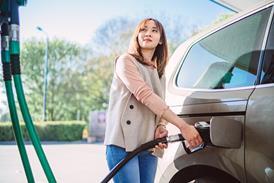
Even sites with highly profitable shops should be using pay at pump so fuel-only customers can refuel quickly. It can also prevent shop and fuel customers from blocking up pumps while doing extended shops in-store. For example, in the US, where many forecourts have pay at pump and large shops, common practice is for customers to park up, go into the store to do their shopping, and then refuel and pay at pump on their way out.
Despite the challenges, outdoor payment in either a mixed retail/fuel environment or fully unmanned offers reduced operating costs, higher volumes, increased profitability and can ultimately reduce the number of people required to operate a forecourt, which has obvious cost benefits. All retailers should be looking at it and how they can use it to improve their businesses, and Eurotank has the solutions to make it happen.
- Edward Wheeler is group managing director at fuel equipment supplier Eurotank Service Group.