GettyImages-1442952808 (1)

Source: Getty Images

Keeping forecourts safe is an evolving issue

Ensuring safety on the nation’s petrol and alternative fuel forecourts is a complex task requiring rigorous standards, robust regulatory frameworks, and the competence of thousands of staff across the UK’s forecourts.

As forecourts evolve to support a diverse range of fuels – from traditional petrol and diesel to hydrogen and electric charging points – safety must evolve too.

For site operators, this means staying on top of a shifting regulatory landscape, ensuring staff training is up to date, and understanding the guidance that underpins everyday operations.

In this series, Forecourt Trader, in partnership with Fuels Industry UK, unpacks the strategic frameworks, regulatory tools, and future trends shaping safety on the forecourts of today and tomorrow.

Laws

The UK’s regulatory framework for forecourts – the laws which govern us – is robust but evolving. Core regulations include the Petroleum (Consolidation) Regulations (PCR) 2014, the Dangerous Substances and Explosive Atmospheres Regulations (DSEAR) 2002, and the Health and Safety at Work Act 1974. These are supported by best practice guidelines like the Blue Book and the Red Guide (more on those later).

In terms of what those law do: The PCR 2014 regulates how petrol is stored and dispensed, requiring site operators to hold a petroleum storage certificate and maintain strict protocols around fuel management. DSEAR, on the other hand, governs all dangerous substances, including LPG and ethanol blends – requiring detailed area classification, equipment maintenance, and hazard control. For operators, understanding these laws isn’t just compliance – it’s business continuity and customer trust.

In terms of who you have to prove your competence to, it’s the local authorities and the fire brigade that serve as petroleum enforcement agencies, ensuring compliance during planning, operations, and decommissioning. To streamline this regulatory landscape, Fuels Industry UK contributes to so-called post-implementation reviews of the PCR, working with the Health and Safety Executive (HSE) to address areas of improvement, such as enhancing the risk-based inspection regime and training for regulators.

Governance

Governance tends not to be the most glamorous thing to consider either, however, there are numerous groups in the UK which collectively have worked to shape safety standards in the UK. They are also driving industry-wide training initiative and address new regulatory challenges – yet many may never have heard of them or only see the outputs of their work.

For instance, the Petroleum Retail National Safety Group (PRNSG) governs the Forecourt Safety Passport with which many will be more familiar as the critical contractor training scheme that equips workers with the skills to identify hazards and mitigate risks on-site. Similarly, APEA (the Association for Petroleum and Explosives Administration) jointly publish along wih the EI (Energy Institute) the Blue Book. Now in its fifth edition, the publication is essential reading for all those involved in the design, construction, modification, maintenance and decommissioning of sites selling fuels.

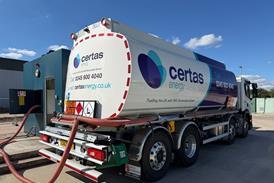
Other groups such as the Downstream Fuels Distribution Forum, bring together industry, government the unions and others to consider training expectations for the drivers who are key to keeping the sites wet and have become a growing part of the fuel offloading given the changes seen in recent decades in how sites are run with the increased focus on retail.

Keeping up to date

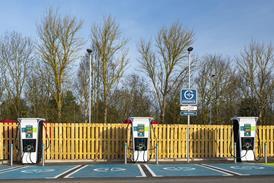
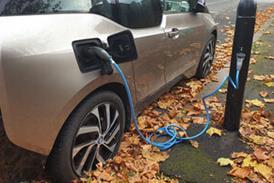
Naturally, the sector and therefore the work of such groups does not sit still. With the rise of new energies like hydrogen and electric vehicle (EV) charging technologies, the profile and considerations forecourts need to manage are also changing. Multi-fuel forecourts create layered risks – combustible fuels alongside high-voltage EV infrastructure demand updated zoning maps, fire response plans, and operational training. For example, staff must now learn to recognise the signs of thermal runaway in batteries or understand the differences in emergency shutdown procedures between a petrol pump and an EV charger.

Fuels Industry UK is striving to bring these topics to the forefront of industry discussions and ensure future-focused adaptations to regulatory and safety standards, such as drawing in new training in electrical modules to equip workers to safely manage and inspect EV charging systems, and importantly knowing how to safely isolate or turn off the power!

What forecourt operators should be doing now:

  • Review your team’s qualifications – are staff trained in handling both your existing kit and thinking about possible new systems such as for EVs?
  • Revisit your site risk assessment in light of multi-fuel offerings and make sure you have good relations with your petroleum enforcement agencies.
  • Ensure you’re referencing the latest editions of the Blue Book and Red Guide.