















UK forecourt operators are anxiously waiting to find out the impact of Fuel Finder, which went live this month. However, a session at Summit will offer a glimpse of what that future might be.
A version of the price transparency service has been running in Germany since 2013 and two people with first-hand experience of how it has affected the sector there will address delegates at the February 24 event.
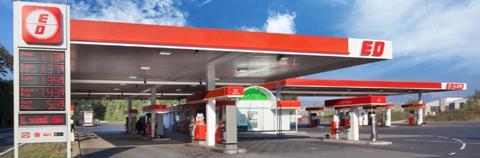
Sarah Schmitt, director of legal, regulatory affairs and governance at BFT, the German trade association for independent petrol retailers, is joined by Jürgen Doetsch, managing director of his family’s petrol station business ED (Erich Doetsch Mineralölhandels), which operates around 100 sites in Germany.
They will take part in a virtual interview with the moderator for the day, former BBC business journalist Declan Curry.
The pair will share insights into how the German scheme has affected the cost of fuel at the pump, operators’ daily pricing strategy, and consumer behaviour.

The system in Germany requires petrol station owners to report price changes in less time than the UK’s 30 minutes. And the market is different, as it is dominated by the major oil companies rather than independents.
However, the premise and demands on operators is the same. And in both cases centrally collected live price data is shared with consumer apps for drivers to make decisions on where to fill up.

The jury remains out in the UK on whether Fuel Finder will meet the government’s objectives of bringing down prices at the pump, or cause confusion among motorists who head to a station because of a price on an app, only to find that the pence per litre has gone up.
There has been much speculation in the industry that Fuel Finder might have the opposite of its intended effect, driving up pump prices in the UK. With forecourt operators, as well as consumers, having access to what sites are charging in their area, they may increase prices in line with rivals, rather than discount.
In Germany there are instances of up to 40 changes a day at some sites, as retailers constantly tweak prices in real time. Prices tend to reset at a higher level in the morning, falling typically by as much as five to six cents in the afternoon.
It is a situation in which operators in the UK might be concerned about margin management becoming more complicated, and that the pricing dynamic on fuel could create a different buying behaviour with customers, which could impact non-fuel retail sales.
Delegates will have an opportunity to ask questions during the session, which takes place from 11.40am-12:00am, at Summit, at The Belfry, Sutton Coldfield.
Book your ticket here
