








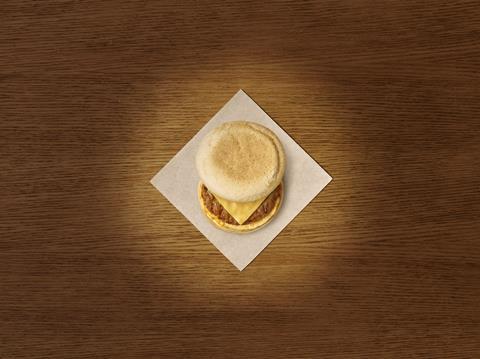
The furore over the weekend’s news that McDonald’s has quietly withdrawn its long-time favourite Breakfast Roll and replaced it with the Sausage Sandwich shows just how seriously customers view choices for their first meal of the day: and it is a mindset that should be matched by forecourt operators with their morning food to go range.
With breakfast accounting for a growing share of food to go sales, the challenge is for forecourt operators “to own the commute window of 5.30am to 11am”, says independent foodservice consultant Matt Cundrick. This, he says, can be achieved not just with a comprehensive range, from health to treat, but also with promotions, and loyalty programmes.
As more people return to workplaces after the pandemic, and hybrid working becomes common, the UK market for “speedy” and portable breakfasts is “robust and growing”, and particularly popular with customers aged 16 to 34-years old, says research house Mintel.
Offering variety is key, with popular breakfast-to-go items including hot rolls/sandwiches, with 27% of people choosing these items when eating on the go; pastries/baked goods (26%); fruit (25%); cereal bars/snack bars or breakfast biscuits (24%); toasted bread/bagels (24%); yogurt/yogurt drinks (20%); and breakfast cereals in convenient formats (20%). Meal replacement drinks and on-the-go cereal pots are also gaining traction, says Mintel.
And retailers and brands are responding with innovation such as savoury croissants, premium toasties, all-day breakfast pastries, and convenient wraps and subs. There is also growing interest in combining bakery items with hot drinks in meal deals, particularly appealing to younger consumers, it says.
Turning breakfast into a habit
Many forecourt operators have traditionally focused on the lunchtime food to go market but are now turning their sites to the before 11am opportunity – with white-van drivers, commuters, and weekend day-trippers key targets.
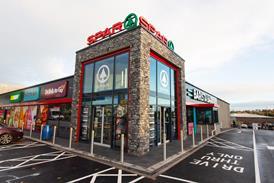
David Charman, owner of Spar Parkfoot in West Malling Kent, believes that just 25% of the food to go items bought at his site during breakfast hours will be eaten before 10am, other purchases will be made during the morning for consumption later in the day.
“Our main focus has been on lunch as this represents over 60% of our sales,” says Charman. However, he has “more than ever now” been bringing in healthier morning options, alongside the best selling sausage, bacon and egg products with various carriers such as rolls or baguettes.
But he says: “We still sell a remarkable amount of bread products, croissants, pain au chocolat, etc, plus coffee.”
Cundrick says that forecourts “are perfectly placed” to win breakfast business which “remains one of the most powerful growth levers in food-to-go”.
He adds: “Why? Because it’s the one daypart where the mission is simple and repeatable: fuel for the journey ahead.”
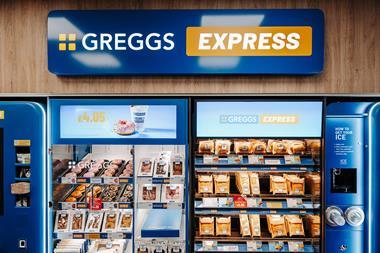
He says that forecourt operators should take inspiration from Greggs.
“UK food-to-go is forecast at around £24bn this year, with breakfast now accounting for a sizeable and growing share. Greggs has proved just how big this space can be, now commanding almost a fifth of all breakfast-to-go occasions. The lesson? Value, speed and consistency turn breakfast into habit,” says Cundrick.
“At its best, breakfast food to go should deliver 35% of daily tickets in forecourts, with hot drinks attaching to two-thirds of food purchases. Nail those metrics and you’re not just selling breakfast, you’re setting the pace and rhythm for the whole day.”
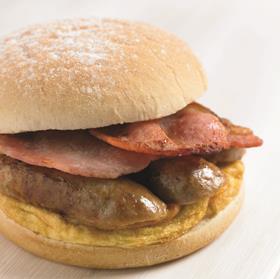
Phil Carratt, head of marketing & strategy at Country Choice, agrees: “Forecourts are in a great position, often literally, to take advantage of the growing breakfast-to-go market as hybrid working continues to push consumers back into regular morning routines. Hot favourites such as bacon rolls, sausage baps, and all-day breakfast wraps remain essential, while coffee-to-go, especially when part of a branded partnership, continues to drive footfall and repeat visits. Morning goods and viennoiserie, such as croissants and pastries, remain strong impulse purchases, and offer that winning combination of indulgence and convenience.”
The time is right
The saying the early bird catches the worm certainly applies when it comes to making a success of on the go breakfasts.
“For forecourts, the playbook is clear. First, own the commute window from 05:30hrs to 11:00hrs,” says Cundrick. “That means hot rolls, great coffee in easy reach, and service times under 90 seconds at peak.”
Tradespeople such as builders starting the day early and looking for sustenance before their shifts are a core audience first thing, says Carratt..
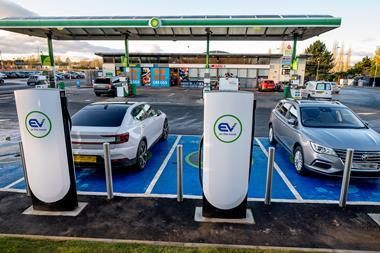
“White-van drivers remain a core audience, particularly in the early hours of the day, so forecourt retailers should prioritise hot, filling grab-and-go options, quick service, and easy access, including convenient parking and EV charging,” says Carratt. “Availability is crucial so be sure to bake little and often so that the hot food to go fixture is always well stocked and appealing to the eye – there’s nothing more off putting than a unit with next to nothing in it.”
Stephen Hatton, concept manager at Delice de France, which earlier this year launched its Delice to Go savoury, sweet, chilled sandwiches and coffee concept with EG On The Move, agrees that getting ahead of the morning traffic is key, but that timing the offer will be dependent on a site’s location.
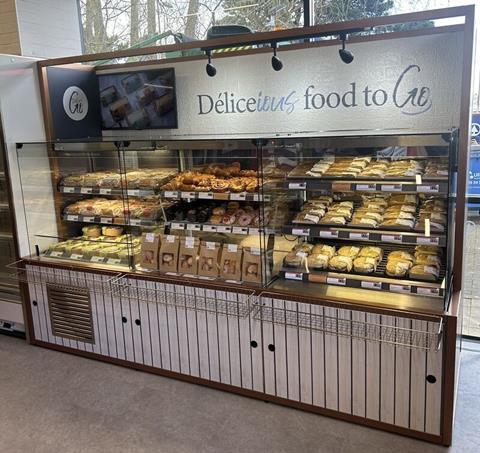
“Breakfast is a huge growth area for convenience and forecourt retailers who can get ahead of the morning rush,” says Hatton. “When you start for the day depends on your area, but we’d suggest that selling from 6am would be the right time for most locations to capitalise on valuable early-morning traffic. Any later and you might miss the lucrative opportunities that breakfast presents.”
He adds: ”We have recently launched our Delice to Go concept in several EG On The Move sites across the country, which all start up at 5am, ready to start trading at 6am. Delice to Go is our complete food-to-go solution, which enables our partners to rotate their offer seamlessly throughout the day, offering bestselling products for breakfast, lunch and late-afternoon treats.”
But he suggests that when developing breakfast ranges, various customer types throughout the morning should be considered. “The tradesperson is a really critical customer, but it’s important not to gravitate too much towards that group – or rely on stereotypes to inform your offer. Customers can’t really be put into boxes, so you need to start broad and then review what’s working,” he says.
“People shopping around locally, business people, and families are all important groups as well, not just the white-van driver. Our Delice to Go range has been tailored based on years of category insight to help our retail partners capture a wide range of customers.
“Start with a broad offering – every consumer is different. Some prefer a savoury breakfast, while others will want to buy something sweet. To avoid missing out on sales, aim to have a wider offering that includes sandwiches, pastries or muffins to suit all kinds of cravings. It’s always easier to cut down on your range once you’ve found what works.”
Need states
Cundrick advises forecourt operators to build their breakfast range around three clear “need states”: hot handheld, such as bacon, sausage, egg rolls, with size upgrades for larger appetites; better-for-you pots, including overnight oats, yogurt and fruit, and protein pots; and coffee and pastries. Croissants, muffins, and Danish pastries should be positioned next to coffee machines for ease of shop, he suggests.
Keep the live menu tight, he adds, with no more than 12 to 18 lines for breakfast. But crucially those three areas, he advises, will cover most customers’ needs.
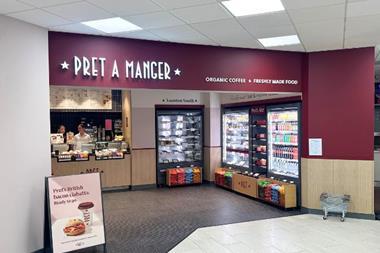
“Pret and others have carved out a credible niche with better-for-you pots. Even McDonald’s continues to underline the enduring appeal of hot handhelds with hash-brown innovation. The consistent message is: get the basics right, keep it fresh, and customers will come back three, four, five times a week,” he says.
He adds: “There’s still runway for growth. Overnight oats and protein-led pots are low-labour, high-margin lines that fit perfectly into a forecourt’s chilled range. Hot sides like hash browns are an easy attach sale. And rotating seasonal muffins or filled croissants keep the offer fresh. Breakfast doesn’t need constant reinvention, but it does need the occasional new news to stay relevant.”
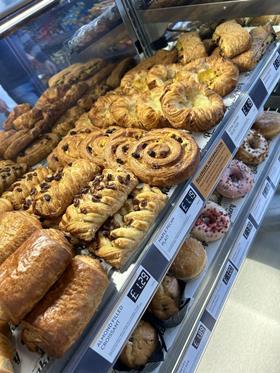
Award-winning forecourt operator Tout’s has embraced the three main need states, and customer favourites span across them. Its best-selling breakfast food to go items are pain au chocolat and croissants, followed closely by its mixed berry granola pots and peanut butter overnight oats. In hot food, hash browns and sausage/bacon baguettes are most popular.
It recently introduced its own breakfast roll, which unlike McDonald’s delisted product comprising sausage patty, bacon, egg and cheese, includes bacon, sausage and a hash brown. Since launching the breakfast roll in March 2025, it has sold over 1,000.
Recently, it has added breakfast pots with sausage, bacon, egg, beans, hash brown, tomato and mushroom, plus a vegetarian alternative.
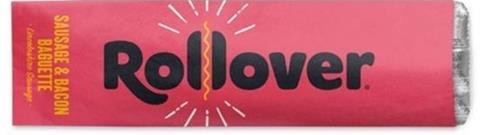
Rollover, known for its ready-to-eat hotdogs, has also been innovating in the breakfast space. It says that with bacon, sausage and egg being shoppers’ top three breakfast items, it has launched a Rollover Sausage & Bacon Baguette, made with streaky bacon and Lincolnshire sausage, with an rrp of £3.25 to £3.50. Also, it has introduced a Sausage, Egg & Cheese Muffin made with pork sausage patty, free-range egg and melted cheese, and with an rrp of £3.50 to £3.75.
“The out-of-home breakfast category isn’t slowing down – and neither are we,” says Tony Owen, general manager at Rollover. “This includes the demand for on-the-go breakfast options, with the occasion growing year on year. In fact, the average spend on breakfast has increased, which tells us more shoppers are hungry for convenient, tasty and quality options that work around their busy lives.”
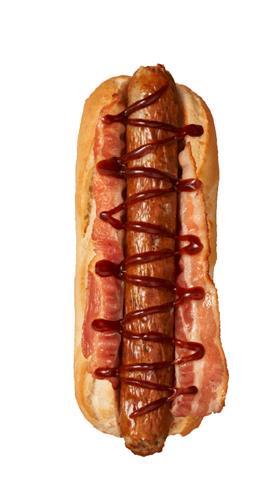
He adds: “As always, it’s important for retailers to focus on the key trends we are seeing across the category. From high-quality ingredients to good value for money and variety, it is key to meet customer demand. Here at Rollover, we can offer solutions that tick these boxes and provide meals that are carefully prepared and easily served for retailers, helping them to set a new standard for what a premium, top tier hot good-to-go experience should be.”
Meal deals and trading up
Treating breakfast as a complete meal with multiple items bundled together in promotions, just as many forecourt operators already do with lunch-time products, should become common practice in petrol stations.
So says Cundrick, with Greggs this summer adding a third ’side’ item to its breakfast meal deal. “The benchmarks are already set. Greggs’ breakfast bundles are a national reference point,” he says.
“Anchor breakfast with a hero meal deal, such as a hot roll and any hot drink, at a price commuters remember,” says Cundrick. “Think trade-ups too where space and facilities allow by stretching into baguette formats, hash brown add-ons, or larger coffees.
“Execution matters just as much as range. Hot holds should be visible from the door, pastries merchandised next to coffee, and digital screens used to push ‘£X breakfast’ bundles or quick-hit promotions for early risers. Loyalty mechanics are powerful too — whether that’s a free coffee after six stamps, or double rewards before 7:30am to smooth out demand.
He concludes: “The operators who treat breakfast as more than just coffee and a croissant will be the ones who capture loyalty well beyond the morning rush.”
Again recognising the opportunity, Tout’s recently introduced a £5 breakfast deal, offering a sausage or bacon baguette with any Costa coffee, with the price falling to £4 with the Tout’s loyalty card.
Carratt urges such activity: “In this digital age, incentives such as app-based rewards and first-visit freebies help drive engagement, whilst for those less focussed on tech, a simple stamp or points system makes a loyalty programmes easy to use for both the retailer and the consumer,” he says.
He adds: “Meal deals are a must have, whilst clear pump and entrance signage, and front-and-centre merchandising of breakfast items are essential for forecourt retailers who want to turn their site into a go-to destination for on-the-go breakfast options.”
Rollover says that it is supporting retailers with more targeted merchandising and ranging advice to create greater visibility and encourage consumers to think of breakfast as a more complete meal. “For example, retailers can bundle our breakfast muffin and sausage baguette with complementary items like fresh fruit or juices as part of a meal deal to increase spend. It’s all about creating a varied breakfast offering that aligns with current consumer preferences,” says Owen.
In fact, Delice de France says that it is seeing 45% of all hot drinks sales are purchased with food, and it is working on signage to encourage this further. “Effective signage is one of the most-overlooked sales drivers in food to go,” says Hatton.
He adds: “The customer decision making process is made in approximately eight seconds, so you must have the right messaging that resonates with your customers. Some people want to know the total price of a meal deal, while others want to know how much they’ve saved. We’re all different, so signage needs to reflect these different motivations, where possible.”