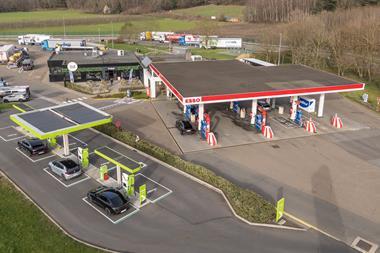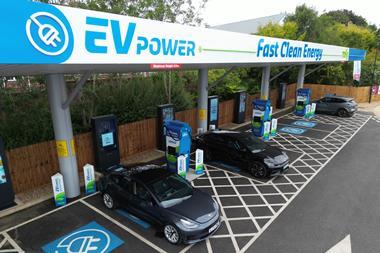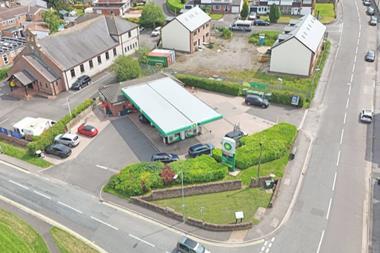




















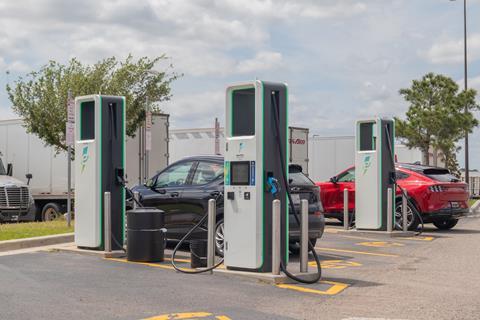
The third quarter of 2025 saw the number of public charging points increase by 22% year-on-year according to Zapmap, the UK’s largest EV mapping and data provider.
The firm says 3,928 new chargepoints were installed across July, August and September, meaning the total network now comprises 86,021 devices across 43,507 locations.
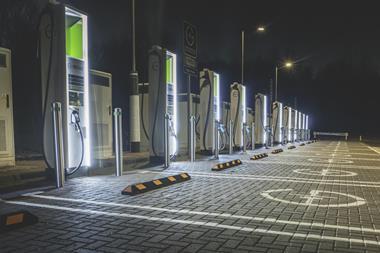
Ultra-rapid (150kW) chargers continue to be the most common type of device to be installed, with 9,290 of these spread across the country – a 51% increase over September 2024.
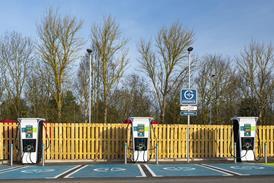
The country now has a total of 663 dedicated charging hubs, defined as a collection of six or more 50kW+ devices. Hubs are the most popular format for charging locations amongst EV drivers, with 212 new ones being opened over the past 12 months.
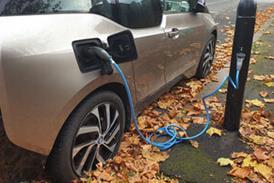
Slower chargepoints are the most numerous type, though, with 68,665 units (80% of all devices) delivering electricity at speeds of 50kW or less. The number of on-street chargers, such as those fitted to lamp posts, rose by 2,336 units in Q3, for a total of 31,593.
Zapmap says the North West of England has seen a 38% growth in “high-powered” chargers year-on-year, with Yorkshire and the Humber getting 33% more.
The firm’s head of insights, Jade Edwards, said the sector has seen “sizeable investments into the industry” from Westminster and the Scottish Parliament, as well as local councils.
Edwards added that efforts from chargepoint suppliers and the government have “demonstrated the positive impact that addressing misinformation would have on those who are currently deterred from switching to an EV”.
Data from the Society of Motor Manufacturers and traders indicates registrations of electric cars have risen by 29.4% so far this year, though sales are still below government targets, while just 1.6m of the UK’s 34m cars are pure EVs.