









I have always thought that the implementation of new retail technology has brought mixed results. We have never been early adopters and won’t introduce a new piece of technology just because it is there. I think this natural hesitation has helped us more than it has hindered us.
We have had many conversations over the years with suppliers extolling the virtues of a new piece of software or technology. We are rigorous in our analysis. We want to know does it bring meaningful improvements to working patterns, the customer experience and cost savings through genuine efficiencies.
Most of the time the answer is no, but there are some notable exceptions. Contactless payments for shop, fuel and valeting transactions have made the customer experience much better. I believe it is also paving the way for the next meaningful step change in how a forecourt is operated.
We have trialled fuel and shop self-checkout ePos now at two sites and have learned a great deal. The first site was our smallest site in terms of fuel sales, and it didn’t really work. This was because the queues were not big enough to warrant it. The customer would invariably always go to the customer assistant that was standing there. It is worth noting though that younger customers were much more willing and perhaps preferred this payment method.
At Eden Service Station, our new to industry site in Malton, North Yorkshire we have again installed a fuel and shop self-checkout to go with the two standard tills. We thought a great deal about where to position it, and we designed the queueing system so that this was the first thing the customer would see, but equally they can walk past it if they wish.
We are seeing a much bigger take up and I put this down to the fact that the site is much busier. When there is a queue a customer will use a self-checkout (SCO), but oftentimes if there isn’t a queue they still prefer to go the standard till. We still have customers who think it is only a shop SCO, so it’s clear we must take customers on this journey with us, but pleasingly many regulars are now seeking out the fuel and shop SCO.
I think we have the format right now, and if anything, I can see us adding a second SCO and then in time taking a standard till out. I think the key is going to be how you build the customer experience around the SCO. As customers get more familiar with using SCOs I envisage one customer assistant being able to manage three SCOs assisting those customers who need a little help. Much like in B&Q or M&S.
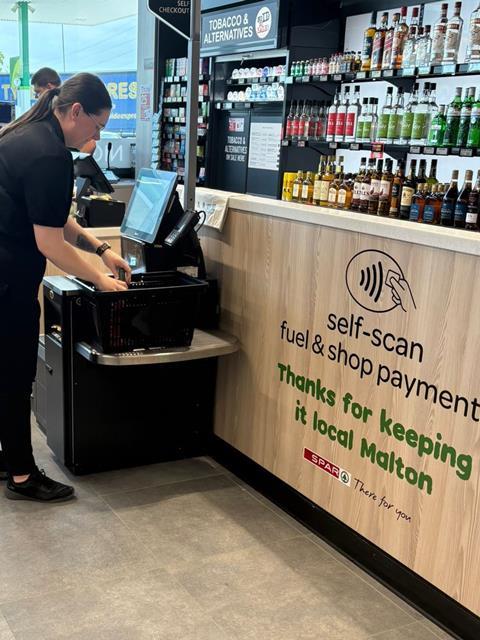
As employment costs rise and potentially fuel volumes decline, I believe fuel and shop SCO will become more important as we strive for great efficiencies. We are keen to roll it out further.
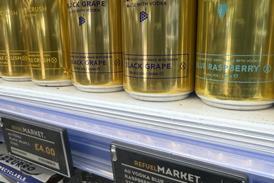
We have also now implemented electronic shelf edge labels on two sites, and this has also helped us greatly. It has saved the manager up to six hours per week, and more on a busy promotional change over. It has improved the customer experience in terms of accuracy and also now I believe the financial case for a genuine return on investment is proven. We will roll this out across our entire estate in the next few months.
These are exciting times in retail technology, and I imagine more change will come in the next five years as we have seen in the previous 25.
Joseph Richardson, managing director of Jos Richardson & Son Group, operates 10 forecourts – taking his business to number 28 in Forecourt Trader’s Top 50 Indies ranking.