Comment

Source: William Reed

Forecourt Trader’s Juliet Morrison enjoying a forecourt carvery, roadside

Local customers queueing at a counter for carvery roasts, a pristine toilet decorated with flowers, an array of locally-sourced delicacies – these are touches you might associate with the hospitality sector, but they can be found in forecourts across the UK.

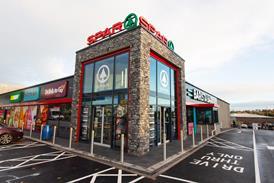
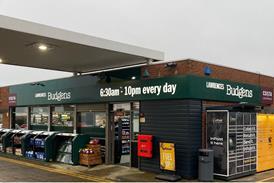
They were just some of the pleasant surprises I came across this year while travelling through different corners of the UK over five days checking out some 50 petrol stations, as one of three on the road judges for the 2026 Forecourt Trader Awards.

It is my favourite part of my job; the time of year that my colleagues and I can take the pulse of the sector, see first-hand changes and trends, try out new services and sample the newest offerings in food to go.

A high-protein salad with sticky chilli chicken for just £4.95, a pastrami, lettuce and cheese bap which would give a trendy high street deli a run for its money, and a full roast dinner with all the trimmings that wouldn’t be out of place on Christmas Day for a very reasonable £9.95, were among the treats that I had the privilege of testing.

I saw innovation in in-house butcher counters, with kit packs for everything from smashed burgers to spaghetti bolognese; a unit with frozen meats, and a chiller cabinet of gluten-free offerings.

I encountered many items for the first time in a forecourt, including shop-made overnight oats and packs containing a slice of apple pie and pot of fresh cream. One store had a choice of six honeys, from a value own-brand to a local artisan jar that would appeal to a passing tourist. We were tempted by Welsh wine, West Country scones, jam and cream, Scotch pies and Irish cakes.

Sites had invested in plug-in points in seating areas for customers to charge their phones while enjoying a coffee. One had introduced decorative lighting, plants and motoring memorabilia in a themed picnic area.

Most of the staff I encountered could not have been friendlier, asking about my day, helping me find things and even stepping in to direct me after overhearing that I was looking for the toilet.

But of course there were also surprises which weren’t so welcome. My personal bugbears are dirty toilets, litter, and iced-up freezer cabinets.

They are all things that do not take a lot of time or money to fix. But if ignored, they give the impression of a site that is unloved, and doesn’t value its customers.

A lot of the time it is about the basics. One set of three toilets at one site were so filthy that I decided to hold on till my next stop. And another forecourt not only had an over-iced freezer, but a slush machine with thick ice on the outside.

Crumpled outdoor display boards, overflowing bins, chilled products discarded by a customer and gently warming on an ambient display, unwiped tables in a cafe area – these are all easy problems for a vigilant manager to fix, but I saw too many instances where simple attention to detail was wanting.

This, sadly, was often a problem at commission-operated sites, where the overall look, branding, and range of products was impressive. But it did not take long to spot the flaws.

It is unfortunate when so much investment in infrastructure and stock is let down by a dirty jet wash bay, toilets lacking soap, or a forecourt strewn with empty takeaway wrappers and boxes.

I appreciate that there is a degree of luck – or bad luck – involved in the process: maybe we visited minutes after a driver flung the remains of a snack out the window, or on a day when key members of staff were off ill, or a freezer cabinet had gone on the blink. Maybe we popped into the loo minutes before they were due a deep clean.

But it does not take long to develop an eye for these sorts of things. Generally, within moments of arriving at a forecourt, I can tell which are not being properly cared for, and where a manager is simply getting through his or her shift and not casting an obsessive eye over what the customer sees.

Walking a forecourt to pick up rubbish, ensuring shelves are faced up, establishing a toilet cleaning routine, or encouraging staff to greet customers with a smile: It often takes minutes, together with a little imagination and the right attitude, to create the right impression. It takes a lot less time for a customer – or a Forecourt Trader judge – to think they’ve seen enough.