












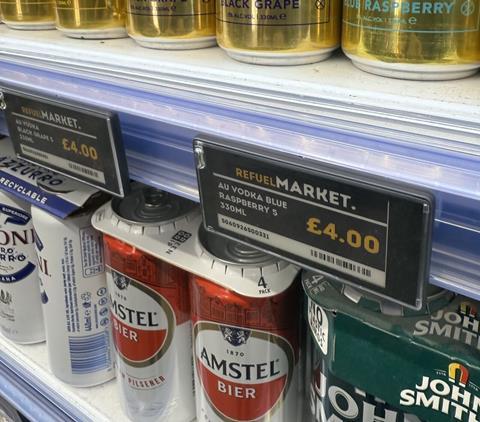
With estimates that up to 25% of petrol retailers have installed electronic shelf-edge labels, multiple price changes in a day, sometimes referred to as dynamic pricing, are easily achievable.
We talk to two epos providers about the benefits of using the time-saving technology in this way, whether to increase prices to cover the cost of 24-hour opening, or to promote items during big sporting events.
What is the role of dynamic shop pricing in forecourt shops?

Simon Burnett, head of sales retail & systems, TSG UK Solutions: Dynamic shop pricing allows operators to change prices in real time to protect margins, influence buying behaviour and respond to fluctuations in demand throughout the day. It helps forecourts react quickly to busy periods, slow trading windows, weather shifts or local events, creating a more responsive and profitable retail environment.

Clive Hughes, director UK, CBE: Dynamic pricing has become one of the most talked-about concepts in retail. In UK forecourts, however, what is often described as dynamic is, in reality, something more measured – and more practical.
Most operators are not using real-time algorithm-driven pricing that changes by the minute. Instead, they are adopting structured day-part pricing: planned, scheduled price adjustments aligned to predictable trading patterns – breakfast, lunch, evening, overnight, or event-led demand.
And done properly, it works.
FT: How can it be used effectively by forecourts?
SB: Dynamic pricing can be used to raise prices during peak commuter periods or reduce prices at quieter times to stimulate footfall. It can support happy-hour style promotions, reduce the cost of near‑expiry products and make 24‑hour trading more viable by tailoring prices to overnight demand. Some operators also adjust prices around local events, such as football matches, to maximise sales from a more captive audience.
Forecourts near match venues or busy travel routes may raise prices during peak surges, while others can lower prices during major televised football matches to attract customers who are not watching the game. Time‑limited match‑day promotions or loyalty‑linked discounts can also help forecourts stand out and increase footfall.
CH: True dynamic pricing responds instantly to live demand, competitor moves, weather, stock levels or local events. It requires sophisticated automation and carries operational and reputational risk.
Day-part pricing is different. It is rules-based, scheduled in advance and governed centrally. It reflects something forecourts understand well: demand is not constant throughout the day.
In a sector built around commuter peaks, lunch missions and late-night distress purchases, pricing can do more than protect margin – it can shape demand.
Overnight trading brings higher staffing and security costs, with lower throughput. Some operators apply structured overnight uplifts to protect margin during thin trading hours. Others do the opposite offering selective late-night incentives to attract discretionary traffic and better utilise fixed assets.
The principle is not opportunism. It is alignment: matching price to demand and cost realities.
Major events such as the recent FIFA World Cup create predictable demand spikes. Pre-match windows, half-time surges and late-night fixtures offer opportunities for scheduled promotions, bundled offers and premium positioning.
The key is preparation. Pricing templates can be built in advance and activated at defined times – structured revenue management rather than reactive change.
FT: Why is it important?
SB: It gives operators complete control over pricing, allowing them to balance value and profitability as conditions change. It supports better use of stock, reduces waste, and ties seamlessly into loyalty schemes by offering different prices to loyalty members. This level of flexibility helps forecourts maintain competitiveness in a fast‑paced retail environment.
CH: With rising labour costs, energy volatility and margin pressure across convenience retail, pricing is one of the few levers that directly influences gross margin, volume, waste, asset utilisation, and customer perception.
Structured day-part pricing allows operators to stimulate quieter periods, protect profitability in peak windows and support 24-hour viability – without damaging trust.
When applied well, the results are tangible: improved margins, reduced waste, stronger off-peak participation and better return on invested capital.
FT: What results can you achieve from changing prices throughout the day?
SB: Dynamic pricing can increase margins during busy periods, reduce losses on short shelf‑life items and drive additional sales during off‑peak times. When paired with loyalty data, it can lift customer engagement and basket value. For some operators, it also makes round‑the‑clock trading more commercially viable.
CH: Off-peak incentives are one of the most powerful – and underused – levers available to forecourts to drive trade beyond rush hour. Time-bound reductions during quieter periods can drive incremental footfall, and smooth operational peaks. They can reduce fresh and food-to-go waste, and strengthen value perception. A mid-afternoon coffee offer, a late-evening meal deal, or end-of-day fresh reductions are not margin sacrifices – they are asset utilisation strategies.
Customers generally respond positively to clearly communicated, time-limited discounts, and the commercial and reputational equation is favourable.
FT: Why should dynamic pricing be used?
SB: Dynamic pricing is becoming an essential tool for retailers looking to maximise sales opportunities while maintaining firm control over margins.
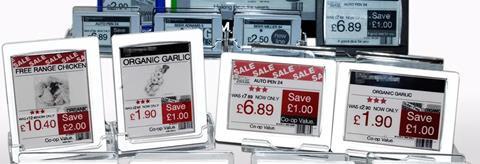
Around 10% of forecourts currently use dynamic pricing through electronic shelf‑edge labels, although adoption is expected to grow as operators face rising labour and retail costs. This figure is rising as the technology becomes more affordable and operators recognise the commercial benefits.
In the wider grocery market, the shift is already underway. Major supermarkets are trialling or expanding electronic shelf labels that allow real‑time price updates, paving the way for more dynamic pricing across UK grocery retail.
CH: Dynamic pricing may grab headlines, but for most UK forecourts the smarter path is evolutionary, by introducing structured day-part models; using off-peak incentives intelligently; and aligning pricing to cost-to-serve.
The opportunity is not to change prices constantly, it is to use pricing deliberately – balancing margin optimisation, operational practicality and long-term loyalty.
In today’s market, that discipline is not optional, it is essential.