

















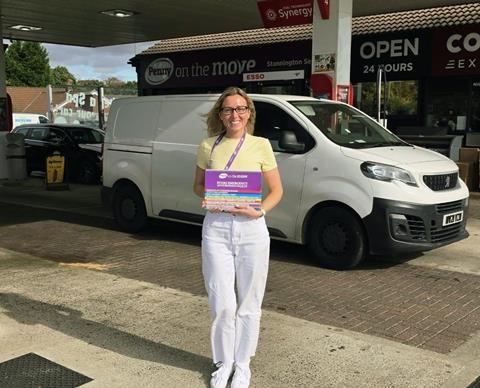
Penny Petroleum is providing staff with a guide intended to give them confidence to act in a crisis, such as a fuel spillage or when confronted by an abusive or violent customer.
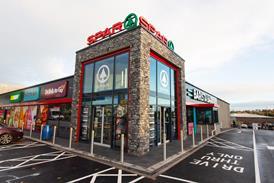
The Top 50 Indie is issuing employees at each of its 100 forecourts with a handbook it says will empower them to take decisions without having to defer immediately to a manager who may be off site.
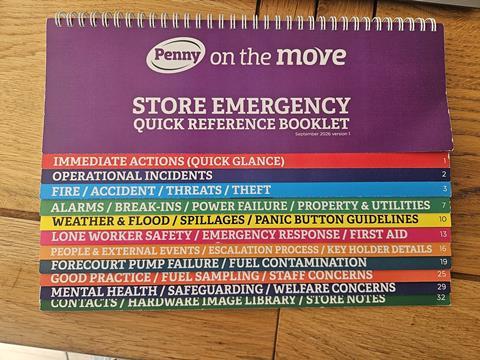
It says the 38-page Store Emergency Quick Reference Booklet will give workers confidence to take action at a time when forecourt crime is on the up, and the dangers of lone working are in the spotlight.
The document enables employees to quickly find recommended actions on how to deal with a series of incidents from theft to a flood.
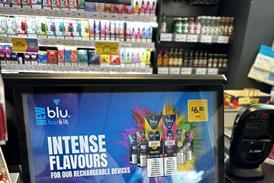
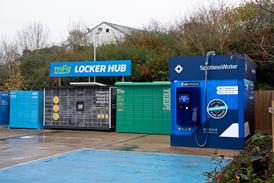
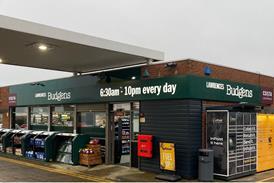
Guidelines include how to use a panic button, and what to do in the event of a pump failure, a fuel contamination incident, a fire, a break-in, or disruption from a person on site with suspected mental health problems. It also familiarises staff with common technology found on forecourts in a series of photos.
“We’ve seen an increase in shoplifting and fuel theft has gone through the roof, and we just felt there was more that we could do to help our staff feel supported and wanted to provide everything we could,” says Emma Shell, Penny Petroleum’s head of compliance and business development.
“We felt that we should have some form of emergency procedure book, built off past experiences and something to empower store teams to have autonomy on decision making,” she adds.
“It is designed as a flipchart so that colleagues can find what to do in a particular incident, quickly without having to look through a book,” adds Shell, who started in the business almost 19 years ago as a store assistant.
Importantly, each site manager will be required to fill in details about their specific forecourt, such as their muster point, and to include their mobile phone contact details.
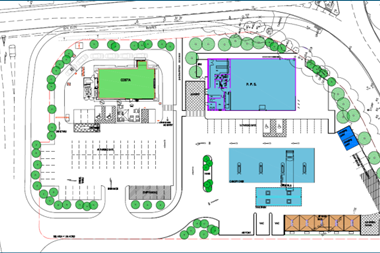
“We have such a diverse number of sites and there will be quirks specific to each,” says Shell. “One might have 10 pumps, with eight having their control switch in one cupboard and the rest in another.
“We want staff to be able to say ‘my pumps went down, but I fixed it myself’. Staff are not just there to push buttons on a till. They are there to help with the day-to-day operation.”