
Close menu
- Home
- News
- Reports
- Fuel
- Retail
-
Shop
- Back to parent navigation item
- Shop
- Shop Suppliers
- Alcohol
- Batteries
- Breakfast
- Car Care & Lubricants
- Chilled & fresh
- Confectionery
- Food to go
- Health & Beauty
- Hot Beverages
- Ice cream & frozen
- Mint & Gum
- Sandwiches & Snacks
- Seasonal
- Soft drinks
- Tobacco & Vaping
- Focus On Features
- A to Z of all Subjects
- Equipment
- Advice
- Events
- Vision
- Newsletters



















Certas adds government data to online fuel calculators
By Hugo Griffiths2025-09-26T17:21:00

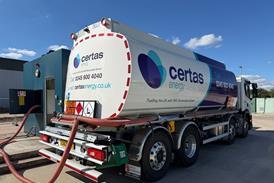
Fuel supplier Certas continues to encourage fleets to switch to operating vehicles on hydrotreated vegetable oil, by upgrading its HVO carbon calculator so the tool now draws on official data from the Department for Energy Security and Net Zero.
Already registered? Please log-in here
To continue reading, register for free today
With free guest access you can:
- Read unlimited articles
- Access the Fuel Market Review
- Read the latest Top 50 Indies report
- Sign-up for our newsletter
- Related Websites:
- Forecourt Trader Awards
- Grocery Retail News
- Convenience Store
- Industry Links:
- Petrol Retailers' Association
- Fuels Industry UK
- Lumina
Site powered by Webvision Cloud