






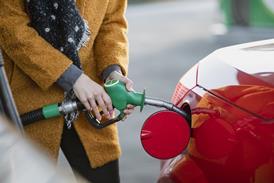





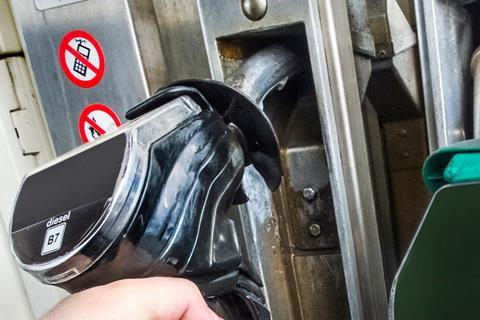
Diesel is close to reaching the all-time price high it achieved in 2022, with an average litre of the fuel soon set to exceed £2, and 15% of forecourts already pricing it at or above that point.
The average price of a litre of diesel currently stands at 197.75p, less than 2p away from the 199.09p record it reached on 25 June 2022 when the Ukrainian conflict was at its peak.
The latest data from the government’s Fuel Finder database shows 1,271 out of 8,119 registered forecourts – equivalent to 15.6% of the market – are charging £2 or more for a litre of diesel, with 201.9p the most frequent price set by sites breaking the £2 barrier.
The RAC’s head of policy, Simon Williams, says that “the question facing drivers is no longer ‘when will the average price exceed 199.09p?’ but ‘how far above £2 a litre will it climb?’”.
Williams warns that “only a sudden and sustained drop in the cost of oil can prevent an average diesel pump price of over £2 a litre”, adding that such a drop “appears highly unlikely”. The breakdown firm calculates that the cost of filling a diesel car has risen by £30 since the Iran/US conflict began, with an average tank’s worth standing at £108.52.
James Hitchman, head of operations at PetrolPrices, says retail price rises are “driven primarily by the wholesale market”, which are themselves impacted by “supply constraints and renewed tensions in the Middle East”, with concerns “particularly acute following the suspension of Saudi Arabia’s East-West pipeline”.
Hitchman explains: “The 1,200-kilometre pipeline provides a critical alternative route for Saudi oil exports, bypassing the Strait of Hormuz. Analysts expect the pipeline to remain out of action for several weeks and have warned that it could be vulnerable to further attacks.”
He adds: ”The situation is being compounded by already-squeezed retail margins. Diesel margins have remained below their six-month average, leaving retailers with limited ability to absorb further increases in wholesale costs. As a result, higher wholesale prices are being passed through to motorists at increasing speed.”