















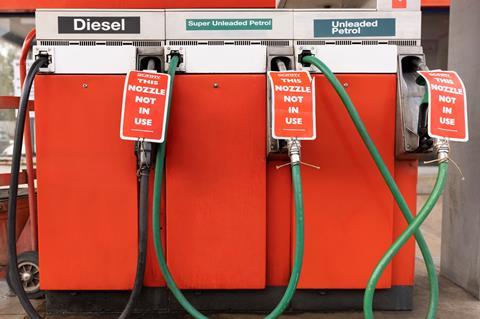
A dozen petrol pumps have been taken out of action after being found to be dispensing fuel outside of permitted tolerances, with a further 59 devices not complying with other standards.
Trading Standards officers undertook a campaign between April and July 2026 that saw them visit 87 fuel retailers, including supermarket forecourts, conventional filling stations, and marinas across Northern Ireland.
A total of 371 pumps were tested, with inspectors finding 12 pumps were dispensing fuel “outside the limit of error”. The officers determined that 20 pumps had non-compliant verification markings or data plates, which are used to prove pumps have been tested and inspected to the requisite standards.
Some 39 pumps had missing or incorrect seals, the presence of which indicates a pump has not been tampered with since it passed calibration. Problematic pumps, some of which had more than one issue, were taken out of service immediately by Trading Standards officers, though the inspectors retested and verified pumps on the same day where possible.
Petrol pumps must comply with a host of rules detailed under The Measuring Equipment (Liquid Fuel and Lubricants) Regulations 1988, including being manufactured to an approved design, having a valid certificate of approval, and being stamped by an inspector as fit for use.
To pass certification when new, the amount of fuel a pump dispenses must be 99.7% accurate compared to its display after at least two litres of fuel has been drawn.
Once in service, a pump that over delivers fuel by more than 1%, or under delivers by over 0.5%, will have its stamp of approval ‘obliterated’ by a Trading Standards officer, who will mark it with a six-pointed star, precluding it from being used by a retailer.
Judith Gough, metrology deputy chief inspector for Trading Standard Service (TSS), says that “while it’s very reassuring that the vast majority of petrol stations are delivering accurate quantities of fuel, the high volume of missing seals and data plates identified during the project is a concern.
“Anti-tamper seals are a critical line of defence against fraud and unauthorised equipment adjustments. TSS has worked closely with retail service providers to rectify all issues of non-compliance.”
Gough adds: “The inspections revealed a high level of compliance regarding the dispensing of liquid fuel from the pumps, although some technical deficiencies were uncovered. Where issues were identified, equipment was immediately taken out of service for repair, recalibration or adjustment. If possible, pumps were tested and reverified on the day to ensure any detriment to consumers was addressed.”