









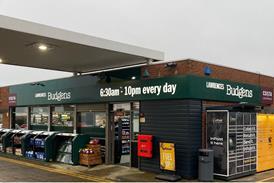







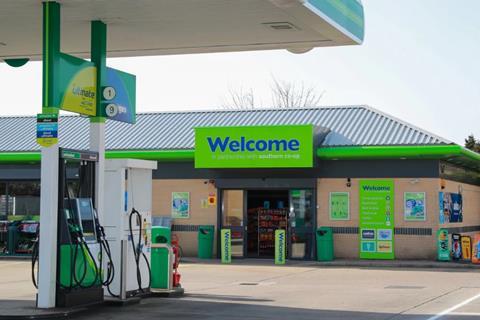
Ben Lawrence has all but eliminated shoplifting of higher value items at his family’s BP-livered forecourt in Southampton, Hampshire, following the installation of a new anti-theft system.
The Lawrences Garages’ Sholing site had previously faced challenges with everything from coffee and chilled goods, to washing powder and cheese being stolen. After installing a loss-prevention system by Chirp Protect, however, the retailer eliminated all theft of tagged items in the first few weeks of the system’s operation.
While some anti-theft technologies rely on large security gates that can be difficult to install in convenience stores or diminish a shop’s aesthetic appeal, the Chirp system creates a wireless RF (radio frequency) perimeter that detects when a tagged product is taken from the shop.
Similarly, while the alarm for some systems originates from security gates or a central sounder, making it difficult to know who has attempted to make off with a product or where the item is, Chirp’s alarm is contained within security tags, making it easier to track a stolen item down. The tags feature anti-tamper technology, sounding their alarm if a potential thief attempts to remove one from a product, and also detect if someone smothers an item in a foil-lined bag, or similar signal-blocking material.
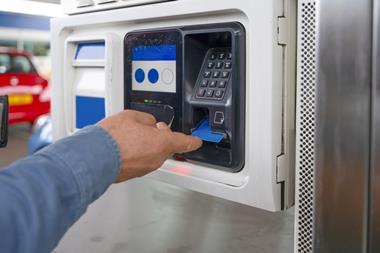
The system is monitored by a single hub that creates an RF boundary, with tags deactivated and removed not by magnets, but with a signal-based electronic deactivator. The system can be integrated with existing CCTV networks and internal alarms, and supplemented with in-store ‘zones’, detecting if items are taken away from or into specific areas of a shop, such as being removed from a concession, or taken into a site’s bathroom.
Prior to installing the system, the Sholing forecourt had sometimes only displayed one or two higher-value items on shelf. Ben Lawrence, director at Lawrences Garages says the site has had “zero theft of tagged products” since the system was installed, and that was as well as being able to “fully stock products on the shelves”, not a single tag has been activated for any reason. This indicates, Lawrence says, that the system “works as a strong deterrent”.