











The past 20 years have seen a quiet revolution in retailing, as convenience and forecourt operators recognised that just because people are popping in for a quick visit rather than a weekly shop, there’s no reason they can’t be offered all manner of goods at all levels of cost.
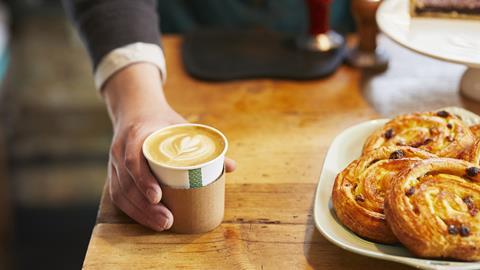
With the coffee and bakery categories worth a combined £12bn each year, it’s little wonder these products have been part of the vanguard of this movement and, despite now being bulwarks of modern-day retailing, developments in this space show no signs of slowing. Here are five things you need to know about coffee and baked goods.
1. Festive bakery treats
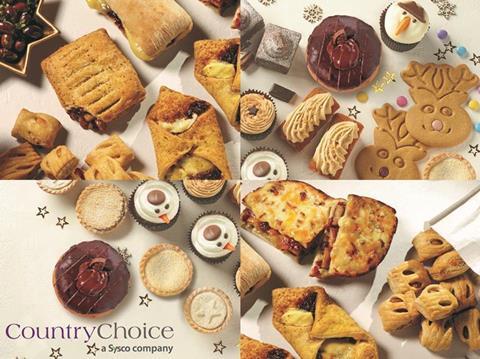
Given the size of both the bakery category and the significance of the festive season, it’s little wonder that almost every brand going is offering Christmas menu items. Country Choice’s range for this year includes a Salted Caramel Cupcake and the intriguingly named Boston’s Chocolate Orange Puddle Doughnut, which features a tempting dollop of chocolate orange flavoured filling in its centre.
The supplier’s winter menu also includes a Christmas Snowman Cupcake, an iced Ginger Sponge, Gingerbread Reindeer, Chocolate Yule Cake, and Mince Pies, with the latter available in three sizes.
Not to be outdone, Krispy Kreme has teamed up with Quality Street to bring the Purple One and the Caramel Swirl doughnuts to our shelves, while BP’s Wildbean Cafe is blending Christmas menus with protein’s booming popularity with the Pigs Under Blanket Bap, a festive take on the sausage and bacon roll.
Delice de France, meanwhile, is offering Apple Pie and Chocolate Orange doughnuts, together with Cranberry & Orange muffins. The firm is also upping its stocks of Stollen and Gingerbread Muffins, having sold out of these last year. Other festive treats from the firm include Shortcrust Mince Crowns, Puff Lattice Mince Pies, and a Rich Fruit Cake.
2. Warming coffees and hot drinks
The must-have nature of a hot-drink offering comes into sharp focus at Christmas, which brings fresh opportunities to tempt customers with something hot, new, or limited-edition. And while not all retailers feature big-name brands in their stores, their festive products could well prove a source of inspiration for those who like to go their own way.
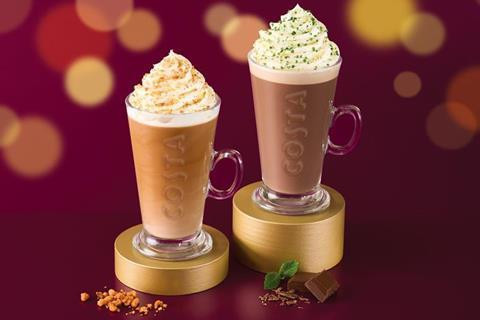
Costa’s Christmas menu is wide and varied, including Mint Hot Chocolate, Butter Pecan Cookie Latte, and Black Forest Hot Chocolate. While those are reserved for the firm’s dedicated outlets, the Caramel Nutcracker range is available nationwide from all Costa Express concessions, while Butter Pecan Cookie Lattes can be had from vending machines in Shell forecourts.
Not to be outdone, Starbucks has a new Chocolatey Mousse Latte, available hot or iced, while its Eggnog Latte and Gingerbread Latte make a welcome return for Christmas 2025.
3. Coffee innovators
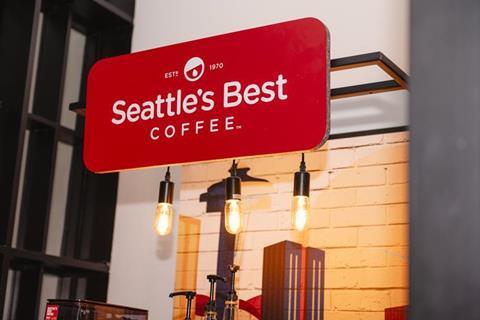
The success of in-store coffee hasn’t escaped the notice of Nestlé, which recently relaunched its Seattle’s Best range. Offered from full concession outlets or via machine, the brand has an RRP of £3 a cup, midway between Costa and McDonald’s coffee, and is said to offer an “uncommonly smooth, refreshingly simple” taste.
While Park Garage Group’s Bakery 79 concept is a proprietary brand, the initiative shows how some independent operators are doing things themselves rather than rely on third-party firms to serve their hot food and drinks. Park is gradually replacing its Greggs concessions with Bakery 79 outlets, recently opening its 14th outlet.
The rise of matcha can’t have escaped many people’s notice, with this powdered green tea having its moment thanks to its high concentration of antioxidants chiming neatly with the rise of the health-focussed consumer. All the major players are offering matcha in ready-to-drink formats, but retailers looking for a slice of the action can source matcha powder for consumers to make at home from wholesalers including Booker and AF Blakemore.
4. Location, location, location
The cold season has been slow to get going this year, but now it’s arrived the indications are that winter 2025 is set to be a chilly one. The comfort that hot food and drinks bring is therefore likely to be in high demand, and customers will want to waste no time in finding in-store solace, as Booker’s retail managing director, Colm Johnson, explains.
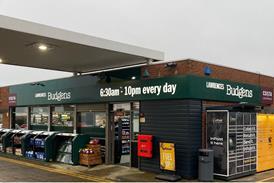
“With the colder months approaching, consumer demand for hot beverages, hearty bakery items, and convenient meal solutions is on the rise”, Johnson says, highlighting Budgens’ stores Good to Go’ zones and Costa Coffee corners, and Londis coffee counters, hot food-to-go sections and digital promotion screens as core to the customer experience.
Country Choice’s marketing executive, Imogen Adams, advises that “positioning is key”, and that hot-food units should be located next to the coffee machine, while staff should have a clear line of sight of both to ensure they remain clean, stocked, and working smoothly.
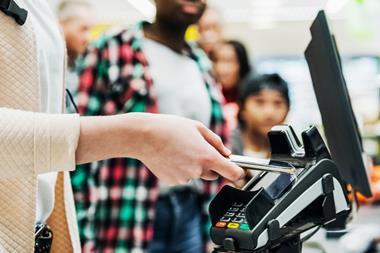
Once in the right area, customers are increasingly happy to serve themselves, with touchscreen ordering making the purchase process an increasingly hands-off experience. iSpy Group, supplier of Grizzly Bear Coffee, says touchscreens both allow easy customisation, and are “winning over customers who want café standards, but no queue”.
Choosing the right equipment is key, too, with LaCimbali’s new-generation Supera coffee machine ”designed to adapt to different store formats, from compact self-serve kiosks to larger forecourt cafés”, being able to manage four different coffee varieties, while offering an intuitive touch interface.
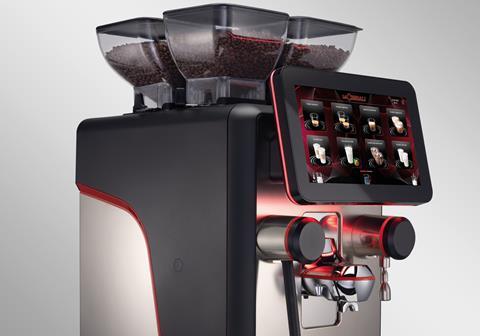
Competition in this sector is fierce though, and Zain Hyde, head of coffee to go at Lavazza says one of EG On The Move’s filling stations upped their coffee sales by 22.9% after opting for his firm’s machines, which can serve “barrista-style coffee with syrups, fresh dairy and oat options”, while advising retailers they should place coffee stations “near entrances or payment points” to capture “quick-stop customers”. Hyde adds that pairing coffee and bakery or food-to-go areas is another easy win.
5. Sophisticated basics
Independent foodservice consultant Matt Cundrick says food production-planning systems are becoming “the talk of the town”, with retailers increasingly turning to sophisticated software to help them map out shopping patterns, cutting down on waste while offering the right products at the right time, a key consideration given the perishable nature of baked goods.
But Cundrick says that snazzy new systems aren’t the only thing to consider in this space, warning that while “innovation grabs headlines, it’s a blend of quality and execution that defines who wins”.
He reminds retailers that where coffee is concerned, it “often comes back to fundamentals”, with “clean machines, fresh milk, and disciplined routines” being essential, as “customers may not see these details, but they taste them, and their loyalty is built or broken here”.