



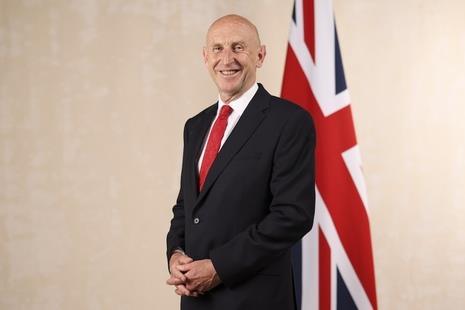
Chancellor John Healey has said regulators will take swift action against any signs of “price gouging” as the Middle East conflict continues to impact pump prices.
His warning comes after the Competition and Markets Authority (CMA) in May found no evidence of unusual margins in the sector, something many hoped would end accusations of exploitative forecourt pricing that have persisted since the start of the war.
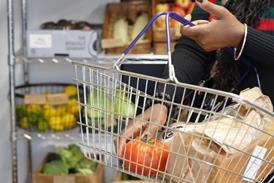
As part of a wide-ranging article in The Telegraph on how the new Andy Burnham administration is tackling the cost of living crisis, Healey warns that the government “will be watching closely for any suggestions that customers are being taken for a ride at the pump or the till”.
Acknowledging that the industry has cooperated closely with the government throughout the crisis and that there has been “no significant evidence of so-called price gouging”, he adds: “I want to be blunt in reassuring the public that our regulators have the powers to clamp down on it if it happens”.
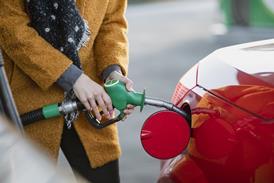
Healey’s intervention comes after the RAC last week said the price of petrol had risen to its highest since November 2022, at 160p a litre, after falling to a low of 150.59p on July 6.
However, a statement from President Donald Trump over the weekend that he has cancelled planned strikes against Iran in the expectation that a new deal can be struck quickly has led to the prospect of crude oil prices falling again.
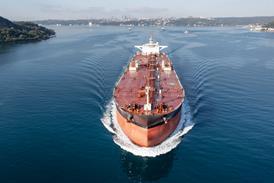
Brent Crude prices – what a wholesale barrel of oil trades for – have fluctuated massively since the war broke out at the end of February, with market sentiment largely based on Trump’s latest pronouncements on his Truth Social platform and the perceived likelihood of a lasting peace agreement between Washington and Tehran that ensures the free movement of tankers through the Strait of Hormuz.
While there is no precise legal definition of price gouging, it is generally taken to mean a sudden increase in the prices of goods or services during a crisis, such as supply or demand shock, where vendors take advantage of the uncertainty to ramp up their margins. The CMA is entitled to take action such as issuing fines in certain circumstances.