









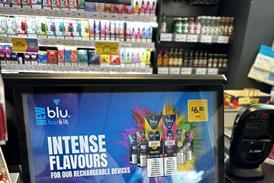










Forecourt operators should prepare for three stages of change in the vaping category next year, as customers adapt to duty being imposed next October.
That is the advice from supplier IVG, which says there will be a “seismic shift” in sales in 2026, with the impact of the duty on big puff devices – which make up 50% of the market – the most significant.
The duty will add £2.20 (plus VAT) to every 10ml of liquid, so vapers will likely stockpile to avoid the extra cost, says IVG commercial director Jacqueline Hoctor.
“While we can’t say for certain, we predict that the new trading year will experience three phases,” she says. “Steady sales to April, and a surge between April and September as consumers stockpile in preparation.”
From October, Hoctor predicts retailers may see sales slow as prices rise, and consumers use products they have put aside. The full impact of higher retail prices is likely to become clear in the first three months of 2027, she adds.
Some in the industry are concerned that the increased costs that come with the duty will put customers off vaping. Its success as a category has been driven by being positioned as a cheaper alternative to tobacoo and to help smokers quit their habit.
Dan Marchant, managing director of supplier Vape Club, fears that others will buy illicit product. “The upcoming tax is very worrying because product costs are going to increase significantly – potentially doubling in some cases,” he says.
“Take a 10ml bottle that currently costs around £3, with the new tax of £2.20 per 10ml plus VAT on top, which adds £2.64 to the original £3, bringing the total to £5.64. From a consumer’s perspective, that’s a huge jump.”
He adds: “Many people switched to vaping not just for health reasons but also because it’s cheaper than smoking. This tax undermines that and creates a situation where consumers are more likely to turn to the black market to save money.”
Tom Power, senior national account manager at supplier Phoenix 2 Retail, foresees that consumers will also react to duty being added by purchasing smaller formats, to reduce their per item spend when on a budget.
“With prices going up, people will make a decision on how comfortable they are to pay the 22p per ml duty, plus VAT,” says Power. “On a 10ml big puff device, already costing £12.99, that is a fairly sizeable increase. And so some people may look instead to buy a smaller 2ml device because of the pricepoint, or look to oral nicotine to avoid duty.”
With pouches exempt from the duty, Power also predicts these nicotine substitutes will continue to grow in popularity.
Velo and Nordic, which dominate the nicotine pouch market, are the brands forecourt operators should develop first, he suggests, and when an operator has established a strong market for pouches, others should be added such as Fumi, Zyn, and higher strength options such as Killa and Pablo.
With the disposable vaping ban well established now, the move toward resuable, refillable devices will be the main market driver in 2026, says IVG. However, it is uncertain where the size of refill pods will settle.
But Vape Club’s Marchant says too few bricks and mortar retailers are stocking refills. “This forces consumers to purchase a new device every time - a practice which negates the disposable vape ban, and which the industry is calling on the government to act on and close the loophole,” he says.
Retailers have until April 2027 to sell product which does not feature the new duty stamp.