






The Competition and Markets Authority has announced it is stepping up its monitoring of petrol and diesel prices in light of soaring pump costs caused by the Iranian conflict.
Separate from the Fuel Finder price-reporting scheme, the watchdog publishes quarterly ‘road fuel monitoring reports’ which see it compare wholesale and retail prices from medium and large forecourt firms to determine what margins they make from selling petrol and diesel.
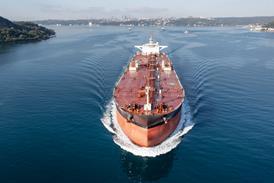
The next report, due in spring, would have only included pricing data up to the end of 2025, making it somewhat irrelevant given recent price volatility, which saw oil prices spiking by over 100% at one point due to constricted supplies, and transit bottlenecks following the effective closure of the Strait of Hormuz between the Persian Gulf and the Gulf of Oman.
The authority now wants firms with 80 or more forecourts – plus motorway service operators with more than five filling stations, and supermarkets that sell petrol – to share their revenue, costs, and sales data up to the end of March, allowing it to produce a more up-to-date assessment of the market.
Analysts predict petrol is likely to reach an average of 144ppl and diesel 165ppl over the coming days, as rising wholesale costs filter through to the pumps.
The CMA says it will also “consider how quickly fuel prices rise and fall as wholesale costs change, and whether there is evidence of so-called ’rocket and feather’ pricing”, where retailers put prices up quickly when wholesale costs rise, but are slow to bring them back down after they can buy petrol and diesel more cheaply.
The watchdog adds that “fuel stations should not exploit the situation” in the Middle East, and that it will publish any evidence of this it finds.
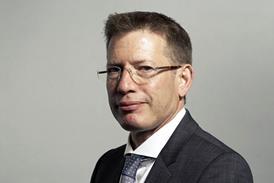
Juliette Enser, executive director of markets for the CMA commented: “Whilst price increases might be inevitable because of rising wholesale costs, it is important that those increases reflect genuine cost pressures.
“We will be closely scrutinising and reporting on what’s happening with fuel prices and call out any concerning behaviour.”