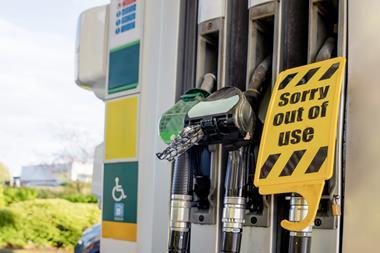










The sharp rise in fuel prices has brought with it a significant increase in incidents of fuel theft, with data from three forecourt security firms painting a similarly worrying picture.
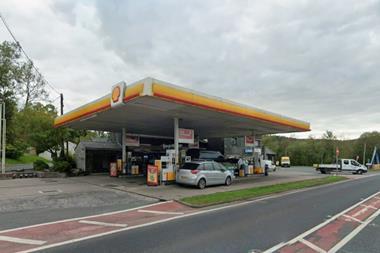
Forecourt Eye sampled 500 petrol stations across England, Scotland and Wales, comparing figures from the two weeks leading up to the start of the Iranian conflict (February 14-27) and the following fortnight (February 28 - March 13).
The firm reports overall fuel theft incidents are up 6%, with the volume of fuel being taken rising by 12%, meaning people are drawing more fuel during each event.
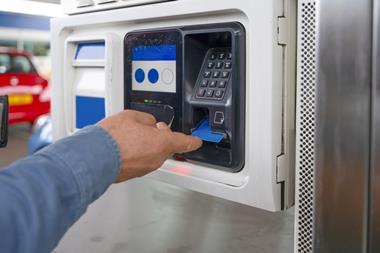
No means of payment (NMOP) incidents – where people draw fuel before entering the shop to claim they are unable to pay – rose 12% over the period Forecourt Eye analysed, with drive-offs rising by 4%. The company also reports that on Monday March 9, NMOP incidents were up 124% compared to a typical pre-conflict Monday.
Rival firm Vars Technology reports similar trends: the firm compared its data from the last week of February and the first week of March, and found that while drive-offs rose by 3%, NMOP incidents were up 9%. The firm added that there was no change in the number of NMOP incidents involving unleaded, with the increase being down to a 13% rise in the number of occasions people drew diesel before claiming to be unable to pay.
Vars also reported that overall, the amount of fuel people draw before claiming to be unable to pay rose from £54.80 to £73.85.
According to the RAC, a litre of unleaded currently stands at 141.4p and diesel 160.3p, up by 8p and 17p respectively compared to before the conflict began.
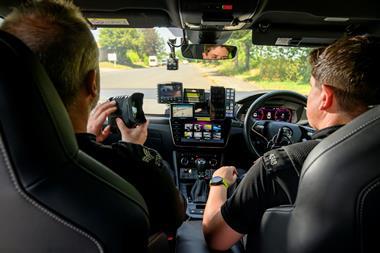
Nexplate, meanwhile, reports a 32% rise in the amount of fuel being drawn by drive-off perpetrators, from 26.8 litres in February to 35.4 litres in March. The firm says the average drive-off in January saw £30 worth of fuel stolen, with this climbing to £33 in February before shooting up to £55 in March – up from a previous high of £43 recorded by the firm in August 2025.
While drive-offs are against the law, no means of payment incidents are treated as civil matters, and so bring with them no possibility of police action – despite the fact that Forecourt Eye’s data indicates 32% of all NMOP events are carried out by repeat offenders, who often use false identities when providing details to shop staff.
John Garnett, a director with Vars, warns that the “substantial” increase in NMOP effectively forces forecourts to “offer a loan service”, allowing drivers “to fill up and then pay later, or to attempt to avoid paying at all”. He adds: “we haven’t seen the full impact of price rises at the pumps yet”, hinting that these figures may rise further.
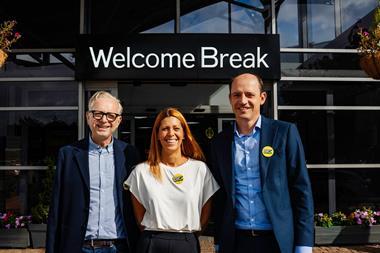
Michelle Henchoz, Forecourt Eye’s managing director, calls the rise in fuel theft “deeply concerning”, adding that it “reflects a pattern we’ve observed before when global events put sudden pressure on fuel prices”.
Henchoz adds that rising pump prices have brought with them “a sharp rise in abusive behaviour directed at forecourt staff, who are bearing the brunt of customer frustration over prices they have absolutely no control over.”
Yogesh Thangamuthu, Nexplate’s co-founder, warns that while his company is maintaining its 61% recovery rate for stolen fuel, “this may soften over coming months as diesel and petrol prices continue to rise — higher-value cases tend to be harder to recover.”