











An analysis of fuel-loss data from over 1,000 UK petrol stations indicates there was a significant leap in the value of fuel stolen, and drawn during no-means of-payment incidents, in September this year compared to 2025.
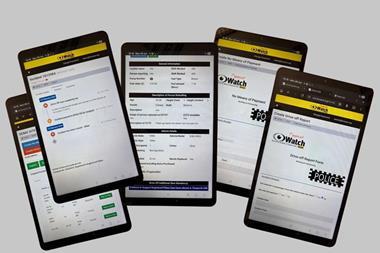
Pay My Fuel, which provides ANPR drive-off tech and debt-recovery services to forecourt operators, dealt with £242,609 worth of unpaid fuel this September at the 1,200 or so sites it covers, compared to £134,941 in the same month last year, a 79.8% rise.
Much of this increase was down to increases in fuel costs, with the value of petrol and diesel drawn during each incident increasing by 24.9%, from £45.18 to £56.41, as pump prices surged following the start of the Iranian conflict in late February 2026.
Further, some rises were down to a growing number of forecourts being signed up to Pay My Fuel platform – though neither of these fully accounts for the near-80% increase in incidents, with hard-up drivers said to be effectively using NMOPs as a short-term loan facility.
The firm’s data from the nine months encompassing January to September 2026 reveals a 27.1% rise in reported fuel loss, which covers both drive-offs and NMOP, with incidents over this period rising from 26,717 in 2025, to 33,963 this year.
The value of fuel taken in those nine months also rose in 2026, from £1.176m to £1.757m, a 49.5% hike.
Ian Woolfenden, managing director of Pay My Fuel comments: “What stands out from these figures isn’t just the increase in reported incidents, but the growing financial value behind them.
“While more forecourts are now reporting incidents, the average value of each case has also increased. For operators, it highlights why understanding the financial impact of fuel loss is just as important as counting incidents. Accurate reporting, effective recovery and reliable vehicle intelligence all have a role to play in tackling the problem.”