











A new system introduced by the British Oil Security Syndicate, or BOSS, has seen the amount of money recovered by the organisation following drive-offs and no means of payment incidents rise by almost a third.
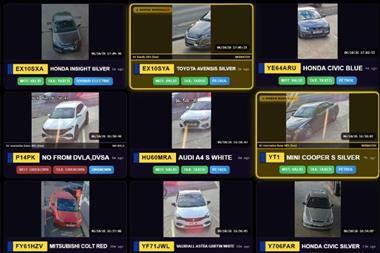
In September last year BOSS became the first forecourt security provider to be able to request motorists’ details from the Driver and Vehicle Licensing Agency via the latter’s electronic KADOE (Keeper at Date of Event) database, bypassing the need for paperwork to be filled out and posted to the DVLA when forecourts wanted to chase fuel losses.
BOSS began making use of its electronic KADOE-request facility in November 2025 and, in the first six months of the programme, saw a 32% increase in the number of unpaid fuel reports that it recovered financially for forecourt operators. That figure is a way up on expectations, with BOSS predicting a 10% increase in recovery rates when it announced its KADOE accreditation.
While BOSS was the first organisation to gain electronic access to KADOE, and is the only outfit so far to have revealed the boost to recovery rates this facility has brought, a number of other security tech firms have followed suit. This followed years of lobbying led by the Petrol Retailers Association for the DVLA to grant forecourt firms the ability to make KADOE requests online.
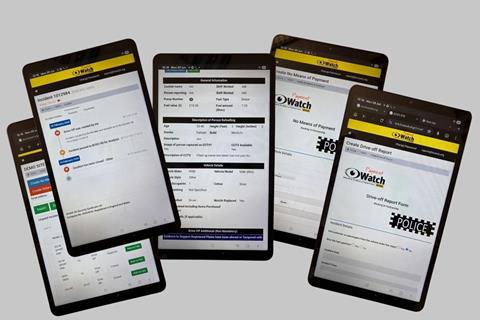
Separately, BOSS has unveiled a new Payment Watch app, allowing retailers to more easily report drive-offs and NMOP incidents. The system runs on smartphones, tablets and desktop computers, allowing staff to submit reports while on duty, and replacing the paper forms that Payment Watch has made use of since the system was developed in 2008.
Claire Nichol, executive director at BOSS, comments: “Our collaboration with DVLA, Police CPI [Crime Prevention Initiatives], and forecourt operators has enabled us to make full, responsible use of KADOE data, improving our ability to identify offenders and recover unpaid fuel debts quickly.
“This joined-up approach is not only delivering better outcomes for the industry but also sending a clear message that fuel theft will not be tolerated.”