







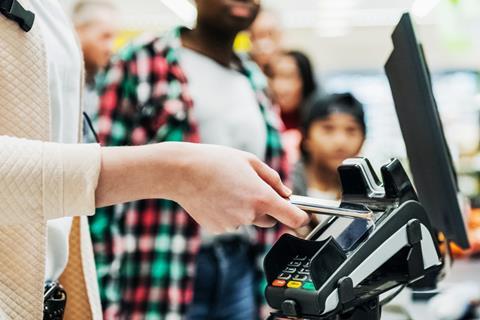
Many of the in-store services that Ziheed Mohammed, manager at Woodman Service Station in Leeds, offers are not big earners but he says they are still very important as they add 15-20% to footfall every day.
A good example is PayPoint, which is extremely busy for the site but from which Mohammed says the site does not make any money on at all. “The only reason we have it is to provide a service to our customers – our elderly customers, in particular, are pleased that we have it.
“Some people who use PayPoint might also buy something in the shop but not always. However, we’re open 24 hours so the service is very popular with people on the local estates if they run out of electricity or gas. They know we are open and they can top up.”
Mohammed says people also use the service to pay their council tax and TV licence, and many use it to top up their Monzo account.
“Customers are sometimes paying in £300-400 in cash. The cash handling is a headache but we would never turn any customers away and will always offer these services regardless of whether we make any money.”
Mohammed doesn’t offer any delivery services because he thinks they are too expensive. “If a customer wants some paracetamol, worth 85p, they can end up paying more than a fiver for them with the delivery charges.” He does, however, offer parcel drop-off and collections.
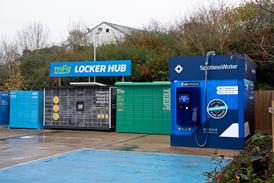
He’s been offering Evri for years – indeed when he talks to Forecourt Trader – he refers to their old name, Hermes. He also has DHL and DPD as well as InPost lockers outside.
“InPost is brilliant as I don’t need to do anything; they do everything for us. Some of their customers come into the shop and buy things, others don’t.”
He says the drop off and collection services are better for him than PayPoint as nine out of 10 users will buy something in the shop. And many people will combine filling up with fuel with dropping off or collecting a parcel.
Some retailers complain that parcels take up too much space, but Mohammed says it’s not a big issue as long as you plan ahead.
“We’re really big on staff training; it’s very important so staff get a refresher on all the procedures every 10 to 12 weeks. We need to get the parcel handling right otherwise people might miss out on a birthday present, and we don’t want that.”
The forecourt also has an ATM outside, which is free to use. “It’s always been free to use and always will be. Again, we don’t make any money on it but we are a service provider. Sometimes people will come in and spend their cash inside but not always.”
At Top 50 Indie Highway Stops, there are pay-to-use ATMS, which charge £1.75 per withdrawal. Operations director Sellarajah Gunalan aka Guna says around 60% of people who withdraw cash go on to spend it in-store.
A big footfall driver for Highway Stops is the National Lottery; it accounts for around 8-10% of total store sales and draws in consistent daily traffic.
“The National Lottery is not as popular as it once was,” he says, “Our scratchcard sales have dropped by nearly 25% since 2023. Sales of lottery tickets are steadier but younger customers rarely buy them now.”
Of course, there are upcoming changes on the lottery games and Gunalan is worried that alterations to the prize structure or any reduction in the scratchcard range will hit sales further.
Parcel power
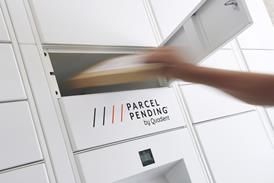
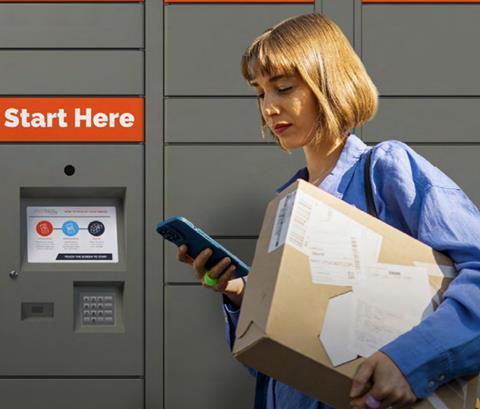
Some sites – like Shell’s all-electric forecourt in Fulham have parcel lockers inside the shop. Whether inside or outside the store, there’s no doubting the growing popularity of customers using parcel lockers – both to deposit and/or collect parcels.
Quadient’s The New Parcel Economy report reveals that on average Brits send seven parcels a month and receive six. And some 65% of consumers have already used parcel lockers, while over half (57%) of consumers believe lockers are becoming an essential part of everyday infrastructure.
The survey of 2,000 UK consumers found that preferred locker locations include supermarkets (60%), convenience stores (45%), shopping centres or retail parks (40%) and petrol stations (35%).
What is more, 76% of customers visited a host location specifically to use a locker and 27% of these people went inside or used the services available there. Of those who went inside, 82% spent money.
Cutting edge
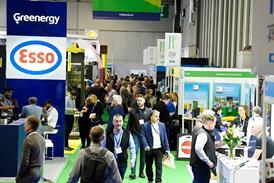
Timpson, a name synonymous with shoe repairs and key cutting, had a busy stand at the National Convenience Show earlier this year thanks to the launch of its Johnsons Specialist Cleaning laundry machines.
Dr James Jackson, operations director at Timpson Direct, says there was a lot of interest but it is too early to say how many retailers signed up as they are still doing site surveys.
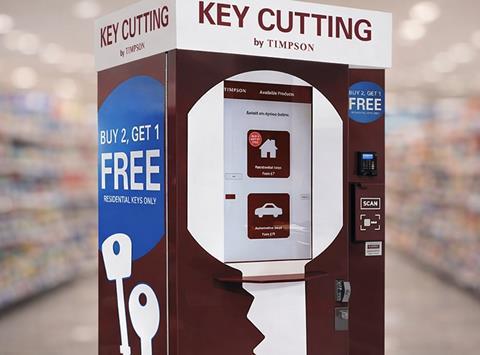
The Timpson stand also had an automated key cutting machine on display which Dr Jackson believes is the world’s most advanced vending machine. These machines can generate £12-£15,000 a year in revenue as 95% of keys can be cut using them.
Another popular exhibit was the photo and document printer. Says Dr Johnson: “The market is still strong for this kind of printing and our vending business is in very healthy growth. Personalisation is still very popular and photo gifting around Valentine’s Day, Mother’s/Father’s Day and Christmas are all stable.”
He explains that this vending offer works hand in hand with The Timpson Group’s Max Spielmann shops: “You can customise and order gifts that are delivered to a shop or print images while-you-wait in a forecourt location.”
(N)ice opportunity
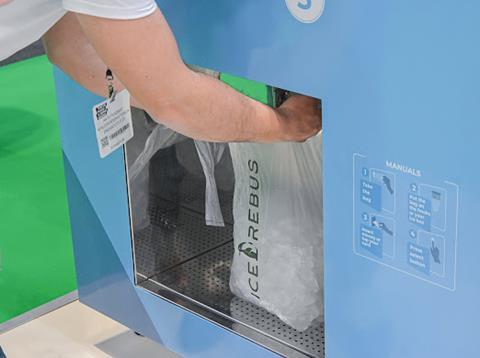
Another successful NEC exhibitor – this time at The Forecourt Show – was Ice Rebus with its free-standing ice vending machines which produce, store and dispense fresh ice around the clock.
With a production capacity of up to 450kg per 24 hours and ice storage capacity of 180kg, the machine is designed specifically for high-traffic locations such as forecourts. Indeed Forecourt Trader of the Year winner David Charman from Parkfoot Garage in Kent, already has an Ice Rebus machine on his site.
Marsel Culjak, director at Ice Rebus, says the concept is simple: instead of relying on delivered packaged ice, customers purchase freshly produced ice directly from a self-service ice vending machine, available 24/7. This eliminates common issues such as limited freezer space.
Culjak says all IceRebus machines are equipped with a remote monitoring and management system, allowing operators to track sales, monitor ice production and stock levels, receive maintenance alerts, and manage machine performance in real time from any location.
“Our machines can dispense ice in 2kg, 3kg, 4kg and 6kg pack sizes, depending on site requirements. With one of the fastest dispensing systems on the market, a 3kg bag of fresh ice is delivered in just one second. Retail pricing and retailer margins vary depending on the business model selected and site location, but the proposition is designed to deliver attractive returns while requiring minimal operational input from the forecourt operator.”
Culjak believes the machines will be real footfall drivers: “For forecourts, the opportunity extends beyond direct ice sales. Ice is a destination product that generates additional footfall, particularly during warmer months, weekends, holidays, barbecue season, fishing trips, events and outdoor activities. Customers visiting specifically for ice frequently make additional purchases in-store, creating incremental sales opportunities across fuel, food-to-go, beverages, and convenience categories,” he says.