










As with chewing gum – who remembers Wrigley’s Juicy Fruit on every corner shop counter? – the carbonates market has undergone a generational shift away from using sugar as an ingredient. Almost seven in 10 fizzy drink products sold today contain zero or very little sugar – and the move continues, spurred partly by government regulation but also by changing tastes.
However, alongside the march from sugar, there are plenty other trends in what remains an important category for the convenience and forecourt sectors, including the rise of premium or “modern” sodas, unconventional, often limited edition flavour launches, and changes in drinking habits driven partly by Gen Z and Millennial Britons consuming less alcohol than their parents – or avoiding it completely.
1. Sugar rush continues
The move from high-sugar content in carbonates has been perhaps the defining realignment in the market during the past decade, with the Soft Drink Industry Levy (SDIL), announced in 2016, spurring what the government says has been “extensive product reformulation”, with a 47% average reduction in sugar in those soft drinks covered by the SDIL between 2015 and 2024.
A tightening of the rules from 2028, with the threshold at which the SDIL applies lowered from 5g of total sugar per 100ml to 4.5%, could lead to further tweaks to recipes. However, suppliers – and consumers – are shunning sugar outright, with sales of zero-sugar products growing 16% a year, double that of total flavoured carbonates, according to Nielsen IQ RMS data.
Carlsberg Britvic – responsible for brands such as Pepsi, Tango, and 7Up – says, for instance, that 84% of its soft drink portfolio in the UK and Ireland is low or no calorie. “Category growth is being driven by increasing sugar free consumption, meaning it is important for retailers to be catering to this shopper need,” says David Laidler, its brand director of carbonates and Lipton.
Zero sugar and low-calorie carbonates are “increasingly becoming the default” and zero sugar alternatives perform as strongly as their full sugar counterparts, asserts Angela Reay, marketing director for Nichols, which is behind UK brand Vimto. “Zero sugar is no longer viewed as a compromise, allowing consumers to enjoy carbonates more frequently and with less perceived guilt,” she adds.
2. Getting healthy
While sugar has been on the retreat in the flavoured carbonates market for some years, the “next phase is about delivering balance”, says Simon Gray, the one-time founder of Boost Drinks who has set up Fizz With Purpose with the intention of delivering gut-friendly but affordable soft drinks that do not compromise on taste.
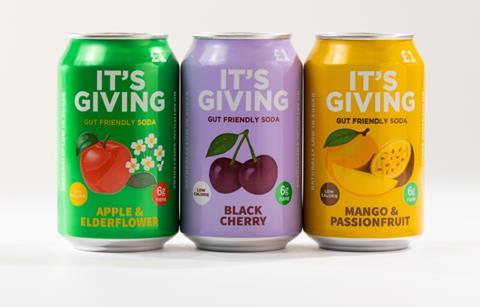
“Shoppers are looking beyond outright sugar removal to drinks that feel more natural and less processed,” he says, adding that the start-up’s initial, three-flavour range of It’s Giving 330ml cans – launched in March and containing 6g of plant-based fibre – are about “balanced sugar reduction rather than extreme formulation” as well as “natural positioning, including simpler ingredient lists and no added sugar”.
As well as shunning alcohol, consumers born from the early 1980s are also moderating their sugar intake and seeking functional benefits such as gut health in everything they buy, according to Gray, although he cautions: “Taste is still the primary driver with health acting as reassurance rather than the main purchase trigger.”
He adds: “In the US functional gut-friendly soft drinks have successfully redefined what a soft drink can be. As these trends begin to land in the UK, they are shaping shopper expectations around health and format. However, many of these products are still at a high price point so there is an opportunity for brands to deliver the same cues – taste, functionality and cleaner ingredients – at an everyday price.”
3. No booze please, we’re Gen Z
As millennials and Gen Z consumers veer away from liquor, new opportunities are emerging for upscale soft drinks that replicate treat or social occasions, with premium mixers and adult oriented products benefiting and giving retailers the chance to trade shoppers up to higher-margin lines.
“Consumers are increasingly enjoying carbonates across a wider and more diverse range of occasions than in the past,” says Nichols’ Reay. “Rather than being consumed primarily as a default refreshment, carbonates are now chosen more deliberately to suit specific moments during the day.”
These include evening social gatherings. “As alcohol moderation becomes more widespread, consumers are turning to carbonates as sophisticated alcohol alternatives,” she says. “Less sweet profiles, adult and mocktail-inspired flavours, and premium cues are helping carbonates feel appropriate for socialising, entertaining and winding down, rather than being limited to daytime consumption.”
4. But if you are drinking…
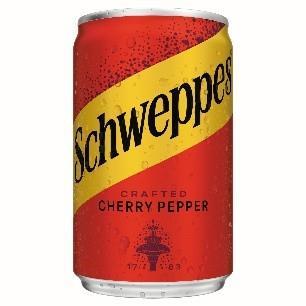
There are still plenty of people who do drink alcohol and another trend sees carbonates – beyond traditional mixers – being pushed as cocktail components. Schweppes claims to be “truly disrupting” the adult mixer category with its latest launch, Schweppes Cherry Pepper Soda, which it is marketing alongside recipes for the likes of a white rum-based cherry mojito and spiced cherry fizz whisky highball.
Hanna Lauri, senior brand manager, says the new flavour taps into emerging taste trends, with black pepper adding an “unexpected combination”. She adds: “Whether paired with spirits or enjoyed neat, it’s a drink which has been crafted to stand out and bring excitement and sophistication to every sip.”
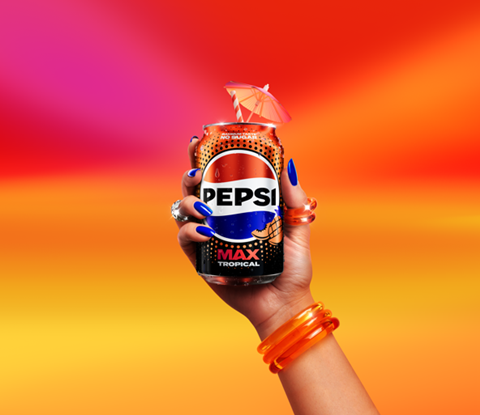
Carlsberg Britvic meanwhile has come up with a Tropical Colada mocktail recipe, using its Pepsi Max Tropical launch as an ingredient alongside pineapple syrup, coconut milk, ice, and an orange wedge as garnish.
5. Meals with fizz
Another occasion where carbonates are becoming more popular, or at least are being pushed in that direction, is mealtimes. A Pepsi social and in-store campaign “is designed to strengthen the connection between meals and Pepsi Max”, again with Gen Z shoppers in its sights. The effort includes a competition that gives customers a chance to win a month of meals and Pepsi.
6. Drinkable desserts and fancier flavours
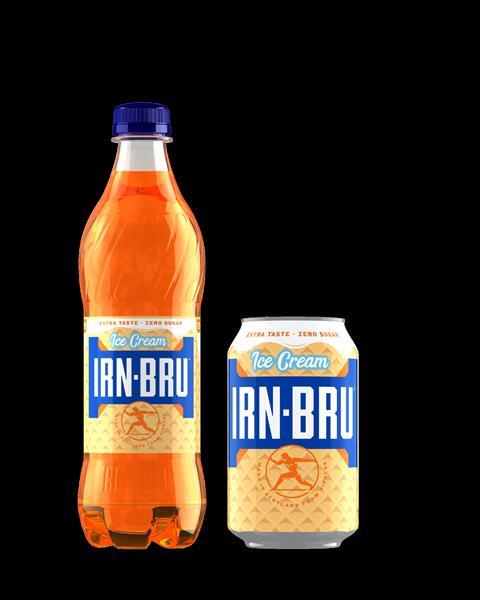
Ice cream floats – a scoop of the frozen favourite on top of a fizzy drink – are the inspiration behind the new Irn-Bru Ice Cream flavour, which “taps into the trend for nostalgic comfort while delivering an irresistible twist on the brand’s iconic taste,” says Kenny Nicholson, Irn-Bru brand director at AG Barr, which is also behind the Rubicon and Barr brands.
The variant had been trialed in 2023 as a limited edition but now becomes a permanent flavour, available in single cans, multipacks of eight, and a 500ml unit price marked at £1.29. Nicholson adds: “We’ve already shown through our limited editions that IB is far more than a single flavour product, and now we’re taking the next step by bringing some of that innovation into the core range.”
Pepsi has taken a similarly indulgent route with the launch of two zero sugar colas – Strawberries ‘N’ Cream and Cream Soda – aimed at attracting younger consumers to the cola category and tapping the growing demand for flavoured cola, which is growing five times faster than unflavoured cola, says Carlsberg Britvic.
7. Price marking pays
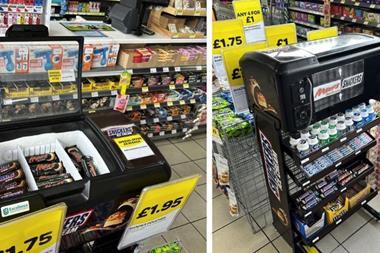
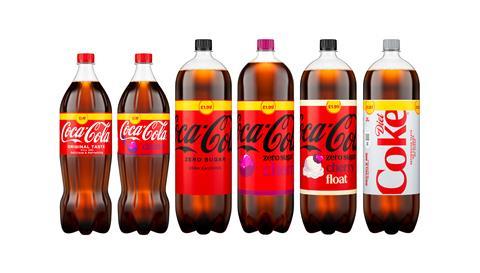
Alongside secondary sitings, and seasonal displays, price-marked packs or PMPs remain a highly effective merchandising tool, and can drive consumers to try products for the first time, suggests Simon Gray, founder of Fizz With Purpose. “Soft drink purchases are a three-second decision, particularly in the summer. So, use PMPs to drive trial, especially for newer formats,” he says.
Coca-Cola Europacific Partners (CCEP) is lowering the price of its PMPs across its 1.75 litre and two litre bottle Coca-Cola range to “help retailers offer clear value to shoppers and drive rate of sale”. It says that large format PMPs “play a vital role in independent convenience” where 86% of cola sales in that size of bottle come from price-marked packs. Across all soft drinks, the figure is around two-thirds.
Cross-category merchandising and promoting soft drinks as part of snacking occasions are other tips to help shift carbonates from Ben Parker, vice-president sales, off trade for Carlsberg Britvic. He suggests pairing Pepsi’s new Strawberries ‘N’ Cream flavour with popcorn for “the ultimate Big Night In treat”.
8. What else is new
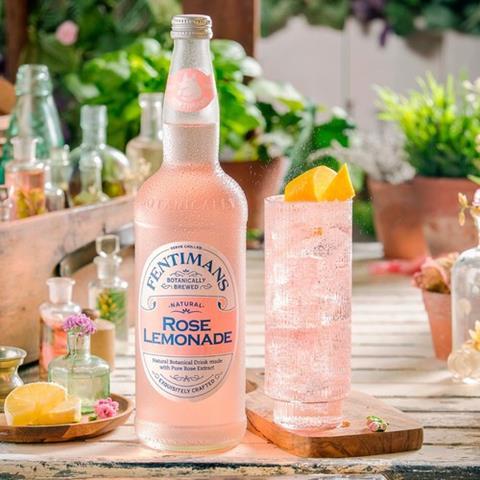
Posh soft drinks Frobishers and Fentimans have a new owner following their acquisition earlier this year by AG Barr, maker of Irn-Bru. The Scottish-based group has been expanding its portfolio beyond its core carbonate brands, after earlier adding oat milk label Moma and sports nutrition drink Boost.
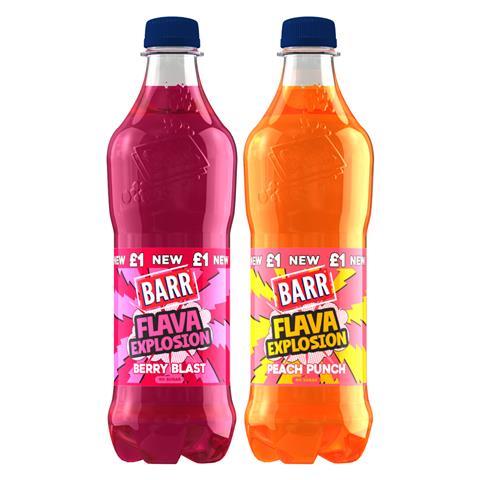
AG Barr brand Barr has launched two “Flava Explosions” additions, with Berry Blast and Peach Punch varieties. It expects the drinks to “highly popular with the key fizzy drink audience of teens”. The Cumbernauld company has also renamed Irn-Bru Xtra to Irn-Bru Zero “to better communicate its zero-sugar proposition and align with wider category expectations”.
The new Schweppes Cherry Pepper Soda from CCEP (see above) taps into a trend for “sweet-heat” flavours as well as the wider move to flavoured carbonates and is aimed at “adults looking for more adventurous, complex, elevated flavour combinations across at-home and social occasions”.
In February, Nichols launched its Fans Edition limited edition range with Pina Guava and Sunset Papaya-dise (orange and papaya) flavours, both in 500ml PMPs. The company says it follows an initiative to ask its Instagram followers to come up with suggestions for flavour names and pack designs.
“Limited editions are a proven driver of impulse sales, but we wanted to go one step further by putting our fans at the heart of the process,” says Nichols. This summer, to support its limited-edition range, it will launch its “Love at First Taste” promotion, which the manufacturer says will reach over 14.5 million consumers.
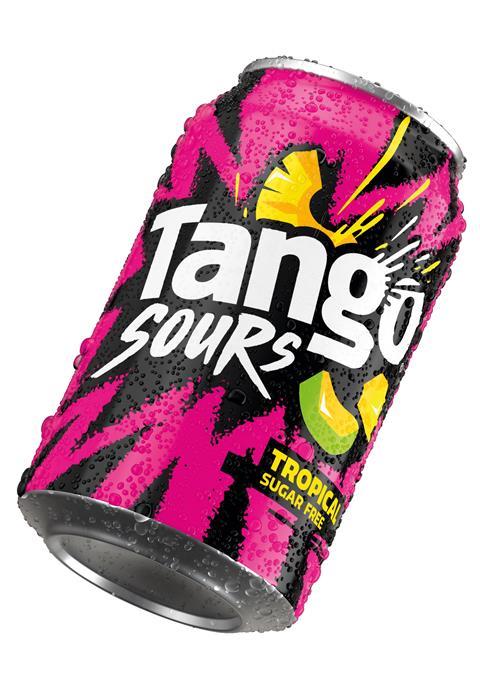
Carlsberg Britvic is launching Tango Sours, a zero-sugar range in watermelon and tropical flavours available in 4 x 300ml and, from May, 1.5 litre bottle formats. It dubs the additions “refreshment with a sour twist” and is pitching them at “younger customers looking for more adventurous taste sensations”.
David Laidler, brand director of carbonates at Carlsberg Britvic, says Tango Sours, which will be promoted with the tagline “Brace yourself, it Tangs back”, is “built to disrupt the fixture and command real attention on shelf”. He adds: “Tango has always been known for its bold personality, and we’re dialling that up with this latest launch.”
Also new from Carlsberg Britvic is 7Up Pink Lemonade. The zero-sugar launch is the brand’s first since 2020. This year, it also unveiled Pepsi Max Tropical alongside updated packing for its Pepsi Max flavours line-up. It says the new look is designed to enhance shelf presence with “a clearer design, stronger colour cues, and distinctive fruit flavour icons”.
The newest addition to the Carlsberg Britvic portfolio is US low sugar and high-fibre soda brand poppi, available in the UK from March. It follows PepsiCo’s acquisition of the brand last year. Munnawar Chishty, chief marketing officer for Carlsberg Britvic, describes the launch as a “hugely exciting moment for the category” as has “built remarkable traction in the US”.
Poppi, which will be available in 330ml cans, sold individually or in-four packs, and in five flavours, was introduced in Tesco and Pret a Manger, but is being rolled out nationwide later this year. Founded in Texas by a husband-and-wife team, it combines real fruit juice in a low-calorie soda that has no more than five grammes of sugar per can.
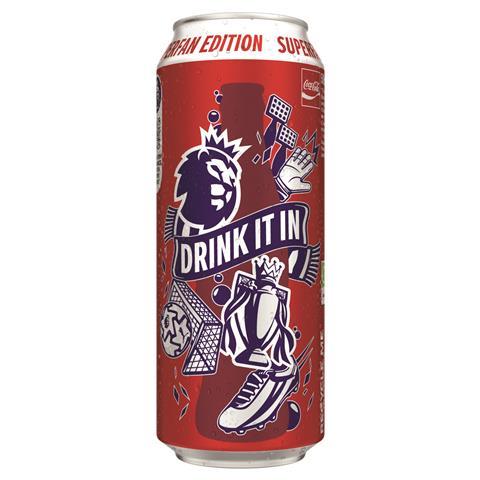
A new 500ml Coca-Cola “Supercan” with a Premier League-themed on-pack promotion, using a QR code for shoppers to access a series of football-themed challenges, is the latest offering from CCEP. Available across Original Taste, Zero Sugar, and Diet Coke and with an RRP of £1.95, it is being promoted with prizes such as stadium tours, hospitality packages, and meet a player opportunities.
Rob Yeomans, vice-president of commercial development at CCEP GB, suggests retailers create “standout displays” with the product around major Premier League fixtures to “tap into impulse sales”.
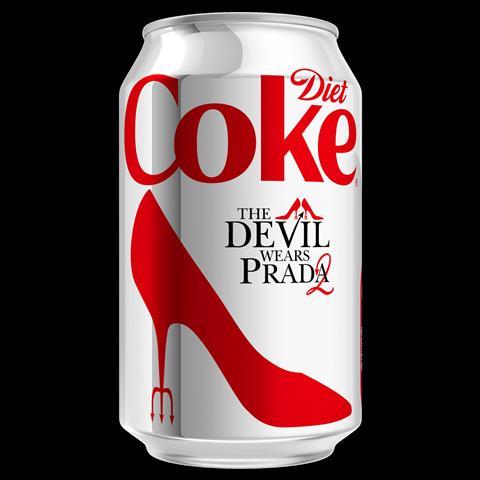
A major movie link-up this summer will also see Diet Coke in a product placement promotion with The Devil Wears Prada 2, expected to be one of this summer’s big cinema hits. The Europe-wide initiative will be backed by a marketing campaign featuring limited-edition packs and on-pack, win-a-trip-to-New York and other promotions that CCEP says will give retailers “a strong platform to drive visibility [to help] engage shoppers, drive footfall, and unlock incremental sales”.