











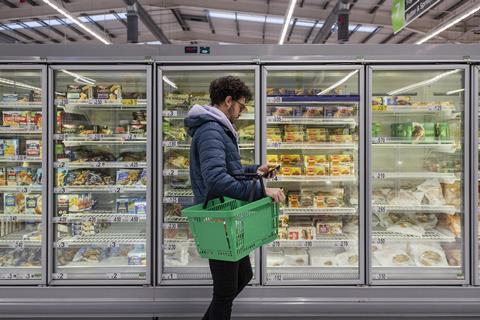
From air fryer ranges to mini freezers showcasing innovation such as chocolate-dipped fruit snacks, the enduring frozen category is getting exciting again.
2) Frozen assets: which are the big earners?
4) Treasure chests: making a statement with branded freezers
1) The new ice age
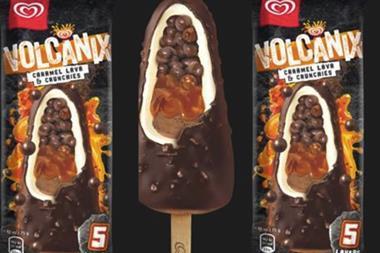
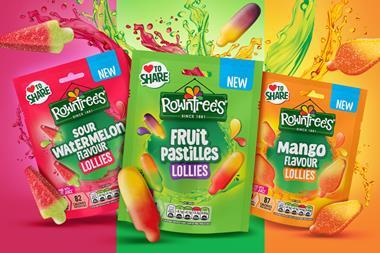
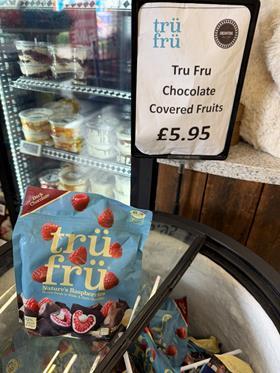
Frozen food is having an image reset, with mini freezers showcasing innovation such as chocolate-dipped fruit snacks, or ice-cube-filled cups for Korean-style drink pouches.
While there is still demand for more commodity essentials, barrel-shaped units containing frozen Trü Frü strawberry confections, for example, illustrate a market in transition.
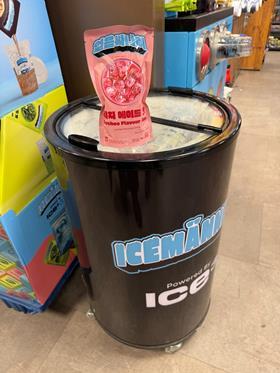
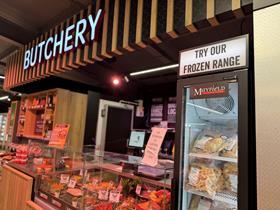
Small freezers of ice cubes next to soft drinks; in-store butchers incorporating counter units with frozen meat cuts next to chilled are adding excitement.
And exterior bulk dispensing ice cube machines, for parties or filling up a freezer, are debuting in the UK.
It is part of a bigger revolution in the freezer category which has seen the days of households filling freezers with months’ worth of meat, bread, vegetables and ready-meals from Bejam being consigned to the past.
However, seven in 10 consumers still use frozen food in meals at least two to three times a week. And 72% of shoppers say that they buy frozen food about as often as they did 12 months ago.
That is according to a YouGov survey in July, showing that frozen food is still very much in fashion. Although they are used less as a bulk storage system, freezers are now a convenience and waste prevention tool.
Meanwhile, concerns about food prices, convenience and food preparation time are giving relevance to a category valued at £9.67bn and up 3.9% in value in the 52 weeks to August 8, according to NielsenIQ. Volume has grown at 0.7%.
British Frozen Food Federation (BFFF) chief executive Rupert Ashby says that while volume has not kept pace with value growth, this should not take away confidence in a sector which is being driven by hero categories.
This includes frozen fruit and desserts (including ice cream and ice cubes) which are up 6.9% in volume. Also the number of units of frozen meal solutions has increased by 0.9%.
Ashby says that the difference in value and volume changes reflects “well-publicised recent food inflation, although the underlying performance of several areas remains very positive”.
2) Frozen assets: which are the big earners?
The biggest earners in the freezer are desserts and fruit, valued at £2.73bn and up 10.6% in value in the 52 weeks to August 8, according to NielsenIQ.
Other big hitters include frozen meal solutions, up 4.4% to £2.10bn; meat and poultry, up 1.5% to £1.81bn; frozen fish, down 0.4% to £1.02bn; and frozen chips, down 2.0% to £842m.
Frozen bread and dough products, and frozen vegetables are also worth a mention as they are in value growth.
Suppliers continue to innovate, identifying the rise of air fryer ownership, for example, as an area to attract customers.
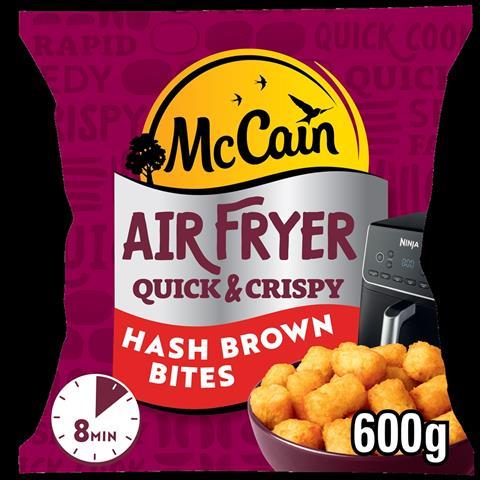
McCain has over the past year expanded its air-fryer friendly range with a cheese & onion variant of its frozen ridge-cut potato snacks; and the addition of Hash Brown Bites and Crispy Dippers for “fuss-free meal and snack solutions”. It says the launches build on growing demand for products that work well in the air fryer and offer consumers familiar favourites with adventurous flavours.
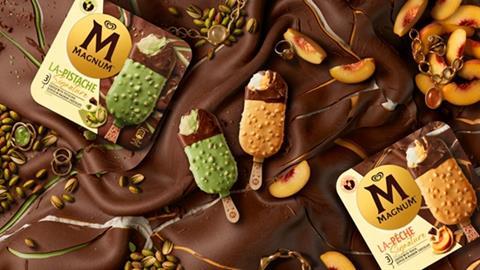
La Pistache variant is also tapping into pistachio being on trend, after the flavour went went viral with Dubai chocolate. The supplier has also introduced Cornetto Max Pistachio.
Rhiannon Lines, retail execution lead at The Magnum Ice Cream Company, says it is important for convenience retailers to get behind such developments. “In convenience, the category has grown by 12.8% in value over the past year, which is being driven in part by innovation,” she says.
But there is still an education piece to be done around frozen food, with Mintel saying that in ready-meals, for example, “health perceptions” contribute to chilled variants remaining the most popular format.
It says that: “Fifty-five per cent of people who eat and buy ready-meals, think that chilled ready-meals are better for you than frozen ones.” In 2025, it reports that 81% of Brits ate frozen ready-meals, compared with 87% who opted for chilled.
Quorn Foods, behind the Quorn range of vegetarian products, says the public is often misinformed about ultra-processed foods (UPFs) which can be found in the freezer, and that by focusing on “simple ingredient lists and clear communication on pack” it is “cutting through the loud and conflicting noise surrounding UPFs, helping to establish a more positive, evidence-led narrative for shoppers”.
3) Value rules
The main reason that customers shop frozen is value for money, says the YouGov survey. Sixty-two percent of shoppers in July cited this as a reason for choosing the category, ahead of 50% who selected quality, and 47% who opted for taste.
The importance of value is even higher for lower-income consumers, according to the data, with 11% of this demographic consuming frozen food every day. Other popular reasons for purchase include simplicity of cooking (43%), and quick preparation (41%).
Own-label lines have been performing well, and a rise in so-called fakeaways – shop-bought products that mimic a takeaway – are part of a trend towards budget-consciousness.
Fakeaways are “one of the most influential occasions to emerge in recent years”, says Quorn Foods, which has extended its vegetarian offering for this trend with Salt & Pepper Tenders, which it claims replicates the Chinese takeaway experience.
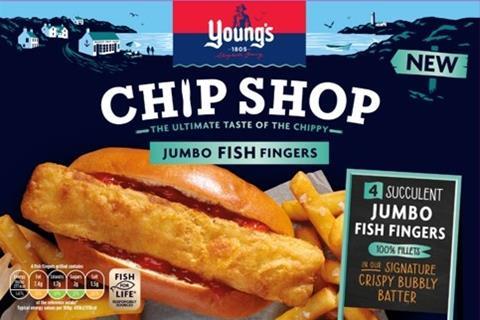
Young’s Seafood says that its Chip Shop fakeaway range, now worth more than £45m, has helped boost frozen which has “undoubtedly faced challenges over the past year” with flat volume growth.
“With the average price of fish and chips rising by 79% in the past seven years, more shoppers are turning to quality at-home alternatives, and Young’s Chip Shop range is positioned to deliver that indulgence at a more affordable price,” says its marketing director Kevin Sinfield.
To build on this trend, in July, Young’s extended its Chip Shop line-up with Jumbo Fish Fingers. It says the more “substantial, indulgent twist to a much-loved family favourite”, attracts adults and re-engages with lapsed shoppers in category.
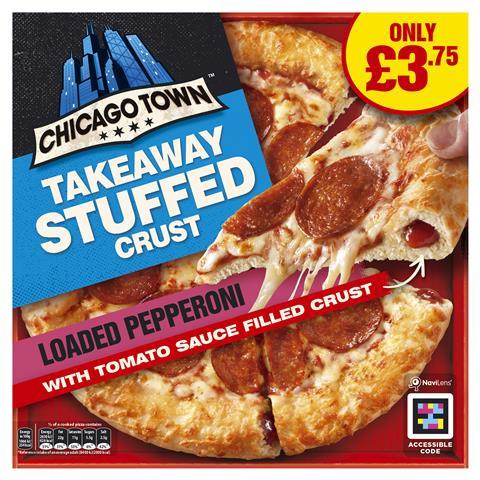
Dr. Oetker’s Chicago Town Takeaway frozen pizza is also pitched at the fakeaway market, offering a cheaper alternative to ordering in. Within impulse, Chicago Town is the number one frozen pizza brand, accounting for 49% of pizza value sales in this channel. But the supplier says forecourts account for just 1% of frozen pizza impulse sales, largely because they have limited space for larger freezer ranges.
Dr. Oetker urges retailers to make the most of Chicago Town’s leading position by maintaining strong availability, communicating price clearly and focusing range on trusted bestsellers such as Deep Dish – now available in a BBQ Chicken price-marked pack – Stuffed Crust and Thin.
Cross-category meal deals, freezer-filler mechanics and match-night or fakeaway messaging remain important activation opportunities, particularly as frozen pizza is well suited to quick meal-for-tonight and big-night-in occasions, it says.
The Praveen Kumar brand of 54 Indian ready-meals and side dishes enables retailers to go a step further. Two of the 700 sites stocking the range sell them heated as takeaways.
Top sellers include butter chicken, onion bhajis, lamb bhuna, and chana masala, regular takeaway favourites, which should contribute to a £1,250 a month turnover from a chest freezer display and a 30-plus profit margin, says Kumar.
The most suitable sites to sell the brand he says will be “small to medium-sized community stores with lots of chimney pots in the area”.
4) Treasure chests: making a statement with branded freezers
When it comes to choosing a branded supplier for freezers, retailers have no shortage of options.
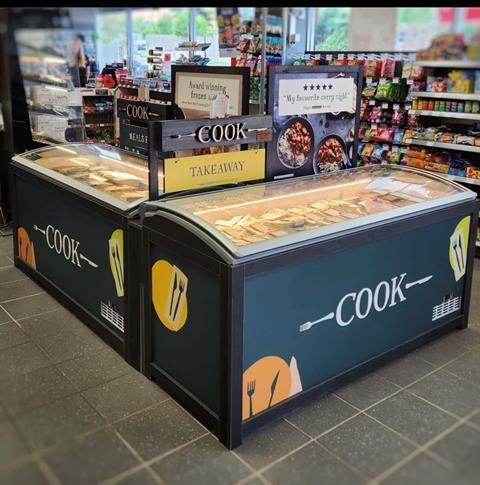
A winning brand for Johnny Srikrishna, whose family business operates seven forecourts, is Cook, which he says is doing “astonishingly well”, despite his initial reservations.
In the past year he has gone from four to six Cook freezers at a rural site in Barford St Martin, Salisbury, with each of the units turning over an annual £16,000 to £18,000.
“The area manager was dubious that people would pay this much for a single person ready-meal, but they do,” says Srikrishna.
He says that the symbol groups do not generally push frozen hard enough. “They want more and more chilled, but in reality I would be happy to take away two doors of chilled at my sites and give that extra space to frozen, which is good for consumers and retailers in terms of lasting for longer, while providing healthy product too, in the case of frozen vegetables, for example,” he says.
Its model works best in community-focused, destination outlets, and sites which have good footfall between 3-8pm when shoppers are thinking about what to have for their evening meal.
Top sellers include dinner for tonight favourites – handmade lasagne, chilli con carne, roasted vegetable lasagne, fish pie, chicken tikka masala and pies. It says its new Pan-Asian takeaway-style meals have helped drive an increase in sales.
Spar, meanwhile, has been working with retailers to switch their freezer ranges to the Iceland Foods offer, which includes the supermarket’s own-label, as well as lines from its exclusive brand partnerships with household names including TGI Fridays, Harry Ramsden’s and Slimming World.
Forecourt operator David Charman is happy with the results of taking the range in his existing upright freezer at his site in West Malling, Kent this May.
His frozen food sales have already increased by 15%, although that is against a 15-20% uplift in turnover across the store this summer.
He expects the section will continue to grow in popularity as customers get to know about it. “From a visual point of view, it does extremely well,” he says.
5) A question of waste
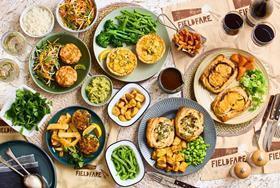
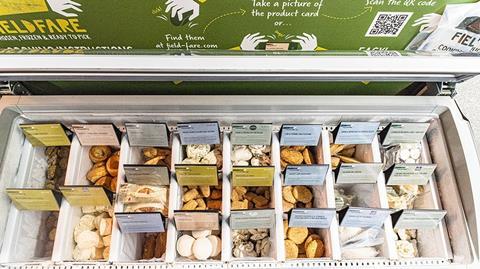
Cutting food waste is a key reason shoppers purchase frozen food, and one pick and mix meal part provider Fieldfare focuses on.
“Shoppers are recognising that frozen can offer quality, taste and choice, while also helping them shop in a more practical and sustainable way,” says Matt Whelan, managing director at Fieldfare.
“One of the biggest opportunities for frozen is its ability to give shoppers more control. People are thinking more carefully about what they buy, how much they need and how they can reduce waste.
“Our ‘pick what you want, and no more than you need’ approach gives shoppers flexibility, whether they are buying for one person, a family meal or simply trying something new.”
Smaller appetites from consumers using weight loss medication is also leading to a new role for frozen food in allowing manageable portion control.
“Our research with YouGov found that 38% of shoppers value being able to control their portion sizes,” says Whelan. “Whether it’s to cater to smaller appetites, or families managing diverse household dietary needs, flexible formats are more relevant than ever.”
6) Posh dining
While frozen food offers consumers value above everything else, the popularity of premium lines are also encouraging forecourt and convenience stores to include them in their stores.
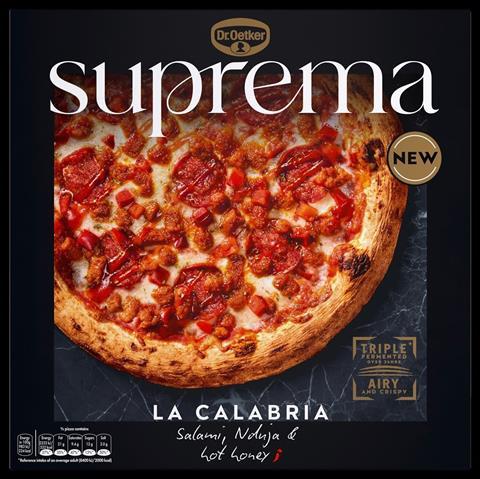
Dr. Oetker says that its Suprema pizza, a Neapolitan-style and indulgent pizza, enables retailers to tap into growing demand for more premium frozen products, targeting “pizzeria at home” occasions.
It says while still relatively small in impulse, more outlets are stocking what it describes as a £6m brand which is adding incremental growth.
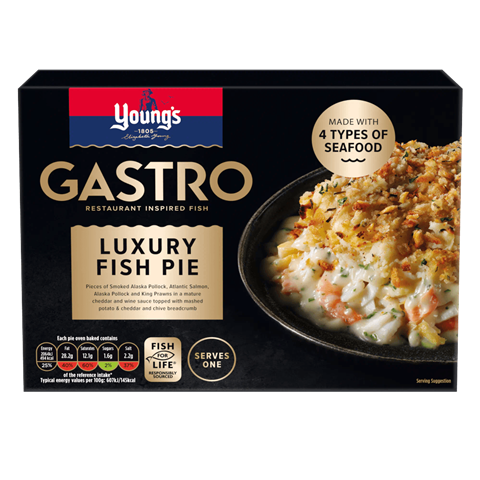
Earlier this year, Young’s Seafood launched Young’s Gastro Luxury Fish Pie with four types of seafood in a cheddar and white wine sauce, which it describes as a “high-quality, restaurant-inspired meal at a more affordable price”.
It says creating more inspiration in the frozen aisle is one of the biggest opportunities, and that retailers need to strike a balance between stocking trusted sellers, with premium meal solutions, and innovation.
“Many shoppers are willing to trade up when a product feels elevated and worth the investment,” says its marketing director Kevin Sinfield.