



















The AA’s September Recharge Report highlights the need to help bolster the used EV market to help the government reach its net zero targets.
Recent research outlined in the UK’s first EV Readiness Index highlighted that 90% of private sales in 2024 were used cars, which do not benefit from the official EV grant scheme. Consumers who exclusively buy used cars have called for incentives to help them participate in the move to EVs with either a similar grant, an interest-free loan or by removing VAT from the purchase price.
When comparing the upfront costs of buying a new or used EV, there is a significant advantage to purchasing a used EV, with prices much closer in parity when set against their petrol models. Currently, a new electric car is 27% more expensive than its combustion version, while a used electric car is 3% more expensive over the used petrol model.
The AA says that while this may be appealing to private buyers, fleet and leasing companies that are outstripping private new EV sales are taking significant risks with the levels of depreciation on each purchase. If there continues to be no intervention in the used market, the AA worries about the long-term health of the used car supply chain.
In the upcoming Budget on November 27 the AA is calling on the Chancellor to introduce some form of used EV incentive to maintain the supply change and invigorate the market.
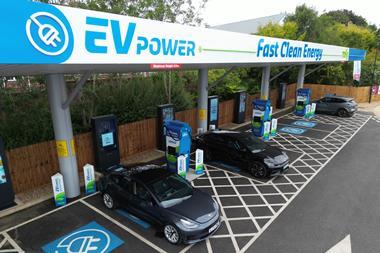
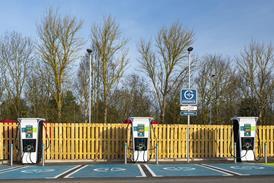
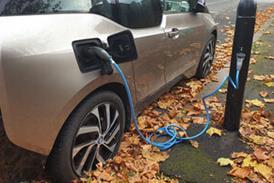
Should appropriate measures for the used EV market be unveiled in the Budget, electric car drivers can benefit from static pricing when charging on the public network.
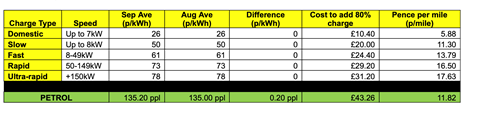
During August, the AA reports that the cost to charge remained the same with some significant savings to be made if drivers are willing to recharge during unsocial hours.
With ultra-rapid off-peak hours offering prices as low as 50p/kWh, drivers can add an 80% charge for £20, half the price in comparison to filling up a tank for fuel.
Jack Cousens, head of roads policy for the AA, says: “To maintain longevity of the electric transition, more needs to be done to bolster the used EV market.
“Fleet and leasing companies are currently propping up the sector with a solid turnover of cars, but this can’t continue much longer. The depreciation levels on used EVs is reaching a tipping point where some form of used electric car incentive is needed to help shoulder some of the burden.
“While the grant on new EVs is welcome, the majority of private car sales take place in the used market. Those looking to buy are wowed by the technology EVs offer and, with the right incentive, could make drivers think twice before choosing their new wheels. Using the Budget to announce a used car grant, or discounting VAT on used sales, would help invigorate used EV sales.
“If the right interventions can be made soon, more drivers will be able to benefit cheaper and stable charging costs compared to pump prices. The retention of charging costs from the summer means EV drivers know the price they pay at the charger is the same across the country – giving them better peace of mind.”