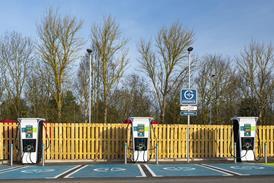
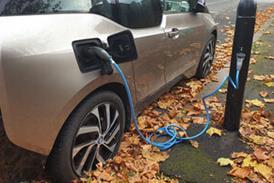
Getty EV charging close up

Source: Getty Images

A new survey reveals that half of drivers are finding faster, and therefore heavier, EV charging cables difficult to use.

Electric Vehicle Association (EVA) England’s Cable Weight Survey Report found evidence that faster and heavier EV charging cables are creating a major barrier for disabled drivers and could exclude over a million people from the UK’s transition to electric transport.

The report, based on a national survey of EV drivers in 2025, shows that more than half (51%) of drivers with disabilities find heavier ultra-rapid EV charging cables hard or extremely hard to use. Even at slower charging speeds, significant numbers of disabled drivers report difficulties that limit their ability to travel independently.

Key findings from the report include:

* Over half of disabled drivers struggle with ultra-rapid (defined here as up to 350kW) charger cables, compared to just 21% of other drivers.

* 53% of disabled drivers report at least some difficulty with rapid (up to 50kW) chargers, compared to 10% of other drivers.

* Even at slower speeds, around 28% of disabled drivers experience difficulties using fast chargers of up to 22 kW.

Vicky Edmonds, chief executive of EVA England, says: “The UK’s EV rollout is a major success story. But for over a million drivers with disabilities, it risks becoming one of exclusion. Heavy charging cables make public EV charging difficult or impossible for many. If we don’t prioritise accessibility now, we’re locking millions of people out of electric driving for years, possibly even decades. That is why this report is so important – it will feed into important work with government and industry to ensure accessibility standards truly reflect everyday drivers’ needs.”

Edmonds says a few targeted changes to the Planning and Infrastructure Bill currently making its way through Parliament could provide the additional guarantees drivers with disabilities urgently need.

The Planning and Infrastructure Bill, currently at Committee Stage in the House of Lords, is proposing changes to speed up new chargepoint installations by granting installers access to a much simpler and cost-effective permit system to carry out essential street works – similar to major telecoms and energy providers. A coalition of EV-focused organisations including EVA England and the Motability Foundation are proposing a small amendment to the Bill that would provide government with the necessary powers to enforce accessibility requirements in the future if needed. This amendment was tabled in the House of Commons by Sir Jeremy Wright MP but not accepted by the government at that stage.

Despite rapid progress in EV infrastructure – with over 80,000 public chargepoints now available across the UK – just 2.3% are currently considered accessible to disabled users. By 2035, around 1.35 million disabled people are expected to rely on public charging.

Survey participants described physical strain, risk of falling and needing to ask strangers for help when using charging cables. One respondent shared: “Several times I’ve almost overbalanced with weight of the cable. I needed to ask for help a few weeks ago at a services.”

Topics