












Reduce or freeze fuel duty and cut employers’ costs such as National Insurance (NI). Those are among the demands from the forecourt sector to the Chancellor ahead of Wednesday’s Budget.
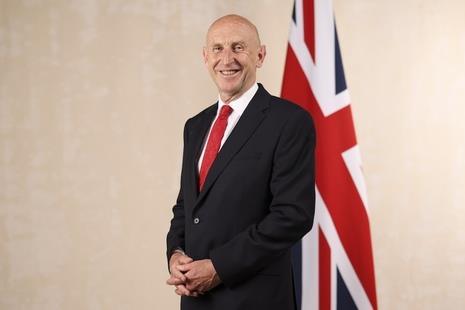
John Healey faces a delicate balancing act in his first Budget after being appointed three months ago. He needs to boost spending in areas such as defence as well as helping families facing cost of living pressures, but at the same time encourage growth and employment by cutting the cost of doing business and making it easier for employers to take on staff.
Goran Raven, managing director of Raven’s Budgens in Abridge, Essex, and Guy White, managing director of The Laurels in Hornchurch, Lincolnshire, are among those calling for a reduction in fuel duty.
Following Ireland and Sweden, where fuel duty has been reduced to shield households and businesses from soaring costs amid the war in the Middle East, would “stimulate growth”, believes Raven. White suggests a 10p cut in fuel duty for six months would “help everyone and give cost of living relief”.
Mithushan Stanislas, chief financial officer at 31-site operator Sterling Petroleum, wants a commitment not to raise employment costs further. “Forecourts run long hours through the night and every £1 raised, coupled with other increased operating costs, have put pressure on operators,” he says.
Tom Buckley, a director of TAP Retail, which has five forecourts across Sussex, asks for “relief on employment costs, particularly employers’ National Insurance, which has become a huge expense”.
And White believes the industry needs fewer regulations when it comes to employing recruits. “Businesses dare not take on new starters,” he warns.
Oliver Blake, operations director of Oasis Services in Long Riston, East Riding of Yorkshire, also wants relief from rising employment costs.
“The cumulative impact of increases in the national living wage, employer National Insurance, and other employment costs is putting significant pressure on retailers,” he says. “I’d like to see a reduction in employer National Insurance, particularly for small businesses. We want to employ people, increase wages, and invest in our teams, but the government needs to make that financially sustainable.”
Retailers we spoke to also want, what White calls, “a fairer, transparent system on business rates for everyone”.
Blake adds: “The current system is placing an enormous burden on bricks and mortar retailers, particularly independent forecourts and convenience stores. We need genuine reductions in the overall rates burden rather than changes that simply redistribute the cost. Businesses investing in their premises, creating jobs, and serving local communities shouldn’t be penalised for doing so.”
Other quibbles among the operators we interviewed include reform of inheritance tax and a reduction in red-tape regulations generally.
White wants a scheme “that is easy and without penalties to hand a business down”. Without it, he says, family businesses will close.
Blake calls for “targeted investment incentives” for those looking to modernise their sites and a commitment to reducing “unnecessary regulatory and administrative burdens”. He adds: “Independent operators are competing against major supermarkets and national chains, often without the same economies of scale.”
In its pre-Budget submission, the Petrol Retailers Association asks for a permanent fuel duty freeze. Speaking at the PRA Bristol roadshow last week, executive director Gordon Balmer said this would have a downward impact on inflation, which has been pushed up by rising global oil prices.
“The main thrust that the government has at the moment is trying to help household budgets, so they can play their part by disposing of plans to increase this,” says Balmer.
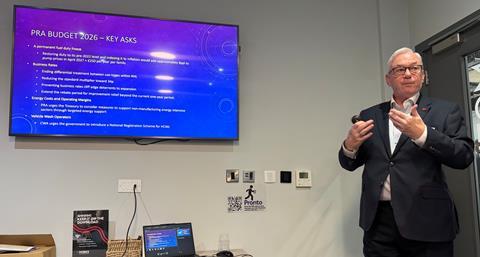
It also wants the rebate period for improvement relief on business rates to be extended beyond its current 12-month period. The scheme, which was introduced in 2024 and is due to run until 2029, ensures that businesses will not face an increase in their business rates for a full year after finishing certain property improvements.
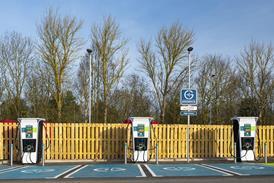
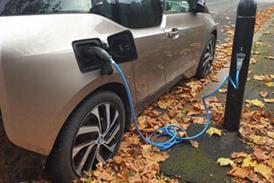
According to Balmer, such a change would be most felt by retailers who are investing in areas such as car valeting or electric vehicle charging.
The PRA is also calling for forecourt operators to be treated the same as other businesses in the retail, hospitality and leisure sector, with pubs, social clubs and live music venues being given preferential treatment.
With energy bills for smaller operators potentially making the difference between viability and running at a loss, the PRA is also calling for the government to give non-manufacturing energy intensive sectors targeted support. It says that electricity costs have risen dramatically this year, alongside increased network charges.
After a year of being accused by many of profiteering on the back of soaring pump prices, several of the retailers we spoke to simply ask for an acknowledgement from Healey that the forecourt sector can help the government achieve its growth objectives.
“Businesses like ours are part of the solution to economic growth, rather than simply another source of tax revenue,” says Blake. “We want to invest, expand and create employment, but continually increasing the cost of doing business makes that increasingly difficult.”
Naz Zokiuddin, director of 11-site operator Refuel Forecourts, agrees: ”Independent forecourts provide local employment and everyday services that communities rely on,” he adds. ”The Budget should give them certainty over fuel duty, proportionate relief from business costs and fair access to affordable finance.
“Together these measures would help operators protect jobs, invest in their sites and keep serving customers without passing every new cost on to motorists.”
However, with Healey likely to have finalised his budget ahead of the weekend, Buckley strikes a note of pessimism about the chances of any items on his wishlist being accepted.
“Sadly, I can’t see any of these happening,” he says. “My guess is we’ll be facing more costs than less.”