





Two areas of legislation, which will significantly impact forecourt operators, are coming down the tracks: the Tobacco and Vapes Act 2026, and the Deposit Return Scheme. Lawyer Robert Botkai outlines the latest updates on both.
Tobacco and Vapes Act 2026
The long-awaited Tobacco and Vapes Act 2026 received Royal Assent on April 29, 2026. The Act introduces far‑reaching changes for retailers involved in the sale of tobacco, herbal smoking, vaping and nicotine products, with a particular focus on protecting children and young people.
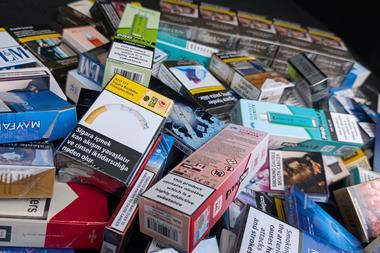
Smoke‑free generation: The sale of tobacco products, herbal smoking products and cigarette papers to anyone born on or after January 1, 2009 will be prohibited, creating a smoke‑free generation. This takes effect on January 1, 2027. Retailers must prominently display a notice stating: “it is illegal to sell tobacco products to anyone born on or after January 1, 2009”.
The Secretary of State is expected to prescribe specific age-verification steps that retailers must take before selling tobacco products.
Tobacco vending machines: the Act will make it an offence to manage or control premises where there is a vending machine that dispenses tobacco products, starting October 29, 2026. This will include machines that dispense herbal smoking products and cigarette papers.
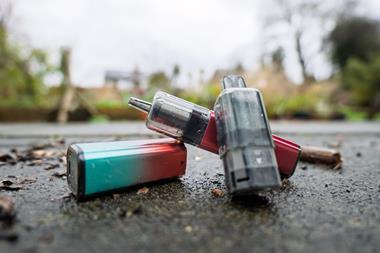
Under‑18s: The sale of all vaping and nicotine products to under‑18s will be prohibited from October 29, 2026.
Snus: The manufacture, sale and possession with intent to supply of oral tobacco (snus) will be prohibited from October 29, 2026.
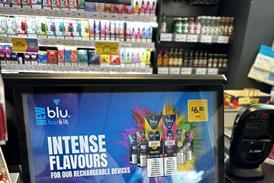
Advertising and promotion: Broad new offences will restrict advertising and promotional activity for tobacco, vaping and nicotine products, to come into effect from June 1, 2027. Although tobacco advertising has long been heavily restricted, these offences will extend to vaping and nicotine products. Retailers should expect to face substantial limits on window displays, in-store promotional material, branded shelving and similar marketing activity.
Display of products: The Secretary of State will introduce regulations governing the display of tobacco, vaping and nicotine products. This will impact on store layouts and product presentation.
Licensing: The Secretary of State will introduce regulations that create a new licensing regime for the sale of tobacco, herbal smoking, vaping and nicotine products. It is expected that this will broadly mirror the alcohol licensing system, with personal and premises licenses.
How can petrol retailers prepare?
The Act will bring in a broad range of changes over several years. Retailers should familiarise themselves with the timeline for implementation and look out for opportunities to participate in consultation exercises on those changes not yet regulated for, such as the licensing regime.
Retailers will, in particular, want to note those changes set to come into effect on October 29, 2026 – plans should be made to remove any tobacco products from vending machines, the removal of snus products and retraining staff to check IDs when selling all vaping products, including non-nicotine vapes.
Deposit Return Scheme
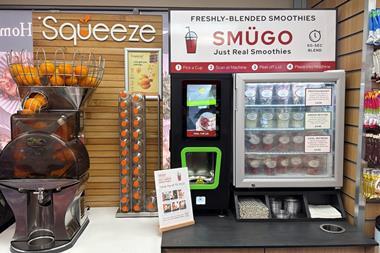
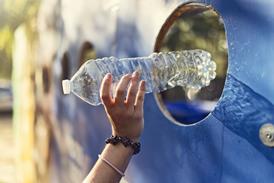
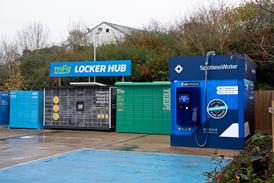
A Deposit Return Scheme (DRS) for single-use drinks containers will be launched on October 1, 2027. The DRS will charge consumers a deposit of 20p when they purchase drinks in single-use containers, e.g. plastic bottles or cans, which is refunded when the container is returned. Customers will be able to return empty containers either to a shop or a reverse vending machine (RVM).
What do forecourt operators need to do?
Retailers will need to register with Exchange for Change (the organisation delivering the DRS), host a return point for the drinks containers and pay the deposit back to customers at the point of return, unless they qualify for an exemption.
Exemptions
On June 10, 2026 Exchange for Change published criteria for automatic and non-automatic exemptions. Those retailers eligible for an exemption will still need to charge the deposit on qualifying containers but will not have to host a return point. The criteria are detailed, but by way of a summary:
Automatic exemptions: Businesses in urban areas with retail space under 100 square metres are automatically exempt.
Non automatic exemptions: businesses can apply for an exemption based on (1) their proximity to another return point or (2) the fact that it is not possible or reasonable to host a return point due to the characteristics of the premises.
Retailers should note that there is a presumption against the grant an exemption on ground (2) based on the size of their premises if they are in a rural or urban area with a retail space equal to or greater than 200 square metres.
Grant scheme
Exchange for Change has indicated that it will support up to 10,000 “small, independent retailers” where hosting a return point is the appropriate solution for their business. The proposed grant is likely to be set at £6,000 per site, paid over three years, to assist with the initial capital outlay of the return point installation.
We expect more detail on how to apply for exemptions and eligibility criteria for grants by September 2026.
If you require assistance determining whether your premises is classified as urban or rural, or understanding any of the exemption criteria, please contact Winckworth Sherwood’s licensing team.
- Robert Botkai is the senior partner and head of commercial real estate and licensing at Winckworth Sherwood LLP.
- Neither of Winckworth Sherwood or Forecourt Trader shall be liable for any decision or action taken on the basis of this column. Nothing in this article constitutes legal advice or gives rise to a solicitor/client relationship. Specialist legal advice should be taken in relation to specific circumstances.