

















Time to give a big shout-out to Hugo Griffiths for his excellent recent comment piece here in Forecourt Trader regarding what I can now only describe as the hypocrisy of the RAC. An organisation which has been the regular go-to for lazy media editors looking for a spokesperson whenever they have a quiet news day and decide to go back to a perennially-reliable topic with which to fill up their blank pages – have another go at the petrol retail industry. Always an easy target, of course.
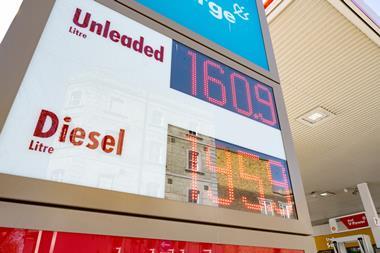
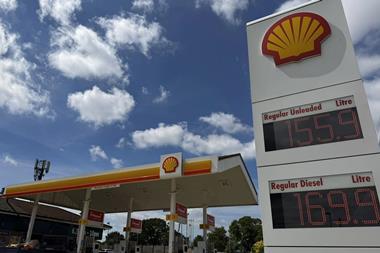
According to Hugo’s research, we see what is after all, a commercial organisation that luxuriates in gross margins which would make most high street retailers blush, but which likes to pontificate about what it perceives to be excessive petrol retailer margins at every available opportunity.
Not that they are alone in that respect; there are the usual rent-a-quote MPs who like to spout the same story if it gives them a chance to be heard on any radio news programme, or even better on one or other TV channel.
And let’s not forget the Competition & Markets Authority (CMA): once again this body published its regular quarterly fuel price report at the end of September. Once again it referred to “deeply concerning” fuel margins. Except, hold on, it actually acknowledged that it “does not consider developments in operating costs” when it reports on fuel margins! That’s something which they ought to have put in 28-point bold Times New Roman, triple underlined, right at the start of their report.
Just what is the point of constantly referring to gross margins however calculated, however accurate or not, when even a first-year business studies GCSE student knows that the figure on its own tells you absolutely nothing about the profitability of any business?
I can only think of three reasons: the first is simply historical statistic series. The accountant/nerd in me can appreciate that if someone has been producing statistics for many years, they keep going, however irrelevant they may have become. The second is that the people producing these reports and statements do it as a means of justifying their own continuing employment. The third is really a follow-on from the previous one – these ‘experts’ need the oxygen of publicity to justify and validate their professional existence. What easier way than to jump onto a popular bandwagon at every opportunity.
While on the subject of gross margins in fuel retailing, I’m still a little puzzled as to where the industry critics get their figures from. Reading the CMA’s latest report, all I can see is a little footnote: “The fuel margin is the difference in the cost for retailers of acquiring fuel and the revenue generated from the sale of fuel”. Well, quite. Back to the business studies GCSE textbooks then. My assumption for years has been that at least the CMA would be getting their ‘cost’ figures from the Office of National Statistics (ONS). So far, so good, although having years of experience submitting returns to the ONS on behalf of many dozens of retailers, even those figures might be less than perfect.
But it’s when I see people referring to crude oil prices immediately before slagging off petrol retailers that I worry. Many years ago, I was given a (redacted) copy of a very large Excel workbook by a friendly oil company contact. This workbook had dozens of individual spreadsheets linked together: the basic input was refined product price (note: NOT crude oil price) and the output was the wholesale delivery price to dealers, licensees, etc. I can’t pretend that I knew what all of the variables actually meant – but I realised then that the cost of fuel on any particular sales invoice is only very indirectly related to the crude oil prices which news media like to show.
So, hats off to Hugo for saying what many of us have felt for years. Those who like criticising this industry at the drop of a hat might well look at themselves first. People in glass houses, etc.
- Jan Mikula represents nationwide franchise accounting company EKW Group – ekwgroup.co.uk