



















New research suggests that cutting the rate of VAT on public charging from 20%, to the 5% applied to home electricity would make 49% of drivers switch to electric cars sooner.
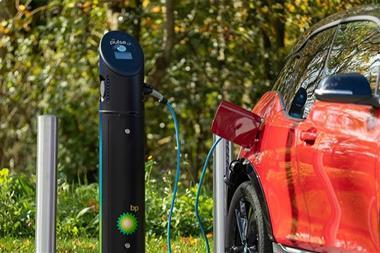
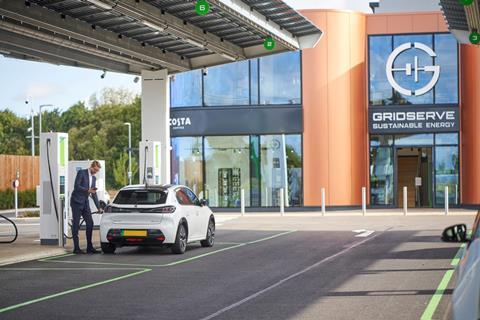
The survey of 2,000 adults was carried out by chargepoint provider Gridserve, which operates the ‘electric highway’ of points across the motorway network and various forecourts.
Half of those responding to the survey (49%) said that if the 5% VAT rate were applied to public sockets, this would make them move over more quickly from a car with an internal combustion engine to one powered solely by batteries.
A significant socioeconomic split exists in the uptake of electric cars. Around 90% of all EVs are procured via business-operated programmes such as Salary Sacrifice and company-car schemes, with retail customers choosing cars with internal combustion engines in the vast majority of cases.
Similarly, those running electric cars are significantly more likely to have off-street parking than the population at large: an estimated 80% of EV drivers can park on their own property, while nationwide the proportion is around 65%.
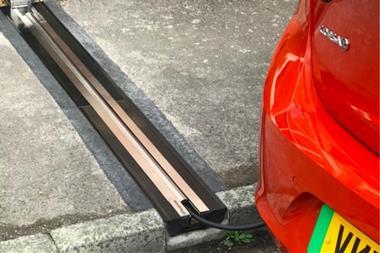
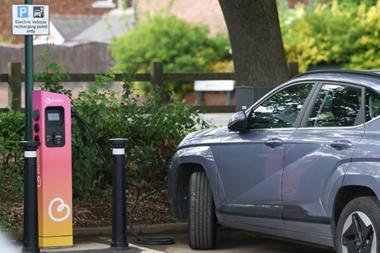
Home-chargepoint firms will not install domestic ‘wallbox’ sockets unless a property has its own off-street parking, meaning those who have to park on the street must generally use public chargers. These cost around 75p per kiloWatt hour for an ultra-rapid charge, while domestic electricity can be as little as 7p per kWh off-peak if an agile energy tariff is chosen.
Gridserve suggests drivers without off-street parking pay around £1,000 more for charging than those with driveways, and that a VAT cut on public electricity would bring estimated savings of £211 a year for people who must use public points due to their living arrangements.