
















A Red Bull director has said GLP-1 weight-loss drugs will have more of an impact on retailers than Covid, citing reduced appetites and smaller shopping baskets as a driving force for change in the sector.
Lottie Tregear, category and E-commerce director at the drinks firm, told an audience of retailers they should be prepared for the fact that the health category of food and drinks products is “going through a very high level of disruption right now”.
“In the past”, she explained, “health used to fairly simple to go after – it was about diet and light options – you need Coke Zero, you need Red Bull Zero, you need sugar-free.”
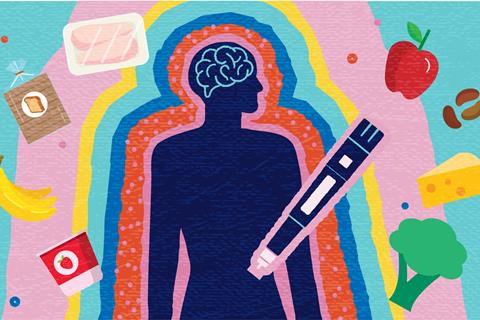
Today though, the rapid adoption of semaglutide drugs such as Ozempic and Wegovy is bringing about a sea change in consumer behaviour, and retailers should “not underestimate how challenging this is going to be for the sector”. Tregear added that the GLP-1’s impact on retail will be “bigger than Covid”.
Consumption drops to below WWII ration levels
Tregear says research indicates that “overall consumption” of food in households where at least one member is on weight-loss medication “is less than World War II rations”, and that the drugs represent “the fastest adoption of any medicinal solution that has existed in the UK market”,
She added that this trend will only grow, and “within five years I would anticipate one in five people being on a GLP-1 or GLP-1 equivalent, whether tablet, patch or injection format, based on current trends.”
Citing evidence that food consumption of some categories of food in the US fell in 2025 for the first time in years, Tregear detailed that across the pond, “we’re starting to see movement out of iced coffee and into zero-calorie energy drinks because they’ve got less to them, and people tend to be a little bit tired when they’re in these products [GLP-1 drugs].”
Smaller portion sizes and healthier snacks
But while weight-loss drugs may bring about smaller basket sizes, that doesn’t mean consumer spending has to fall. Supermarkets are already developing ranges aimed at people on weight-loss drugs, while Tregear cited extra-lean steak as an example of smaller portions being paried with higher prices and targeted marketing. Retailers should therefore be poised, she said, to embrace reduced pack sizes and healthier snacking, concluding:
“Obviously I can’t completely predict what will happen, but you know when you see something and you can’t stop looking at it? There’s going to be more to come, and we need to understand it as a sector.”