Ozemic and other weight-loss drugs are seeing food-to-go firms, including Greggs, struggle for sales and adapt their menus to cater for customers with medically suppressed appetites.
Greggs’ 2025 financial results have revealed the company grew more slowly last year than it did in 2024, posting like-for-like sales rise of 2.4%, less than half the growth it enjoyed the previous year. And the firm’s chief executive, Roisin Currie, says there is “no doubt” appetite-suppressing drugs have led to a drop in trade.
Currie said the firm must ensure it has “the snack products that customers are looking for if they are on any of the GLP-1 [Glucagon-Like Peptide-1] drugs”, adding that customers have been “looking for smaller portions”, and Greggs is “leaning into nutritional trends” to cater for changing consumer tastes.
Greggs began selling boiled eggs and introduced an expanded protein-drink range last year, but it’s not the only firm to have been hit by GLP-1 medication. Tesco’s chief executive, Ken Murphy, says his company is watching the issue “very closely” and has “a wide range of products” that he ”would describe as GLP-1 friendly”.
Glucagon-Like Peptide-1 drugs mimic the effect of feeling full by stimulating the release of insulin, slowing digestion and decreasing sugar production in the liver, leading to reduced appetites, particularly for foods that are high in sugar and fat.
Treats such as crisps and chocolates are first in line to be impacted by GLP-1s, as consumers are most likely to lose their appetites for such foods when taking the medication, but it’s not all bad news for the sector: side effects of the drugs can include stomach discomfort and dry mouth, which can be offset by chewing gum, mints and nuts.
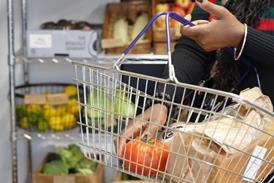
Similarly, as those on the medication still need to eat despite their reduced appetites, protein and fibre-rich foods such as fish, whole grains, eggs and dairy often appeal, as they provide large amounts of nutrition in small portion sizes. Last year French food firm Danone said yoghurt sales were three times higher in households where at least one member was on GLP-1 medication. Protein drinks are also said to be on the shopping lists of this new type of customer.
Roughly 3% (1.6m) of the UK adult population is thought to have taken GLP-1 drugs last year, though given our propensity to follow trends in the US, where 13% are on the medication, this is one figure that’s set to grow.