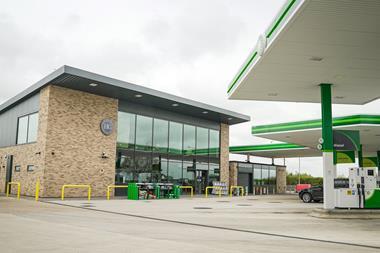
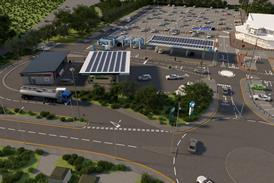



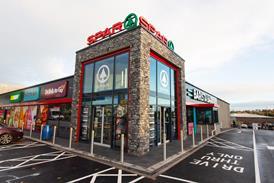




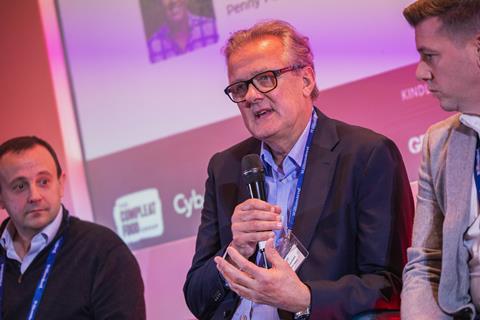
Petrol station owner David Charman is to ramp up deliveries and introduce an app-based loyalty scheme as the next steps for his award-winning Parkfoot Spar site in West Malling, Kent.
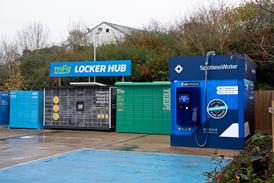
With limited parking at the busy 24-hour forecourt, which has a jet wash hub, he believes deliveries will help to increase turnover without causing congestion.
And a digital loyalty initiative is ready to roll out to customers after a trial in which employees were offered discounts through a barcoding system on their phones.
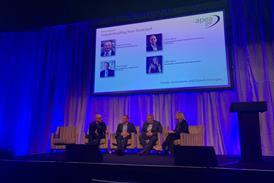
It will replace a legacy system that Charman is no longer happy with. “We already have a loyalty scheme on our butchers’ counter, which I’m sad to say, is still a sort of card-based system, which has to go because it’s fraught with danger and it’s not modern,” he said at the Forecourt Trader Summit last week.
“We need to be making it more exciting for customers. That, in turn, will give us the possibility of saying: ‘Okay, so if you’re a loyalty scheme member then a fillet steak will be £40 a kilo, but if you’re not, then it might be £45 a kilo’. And we have the ability to do that now.”
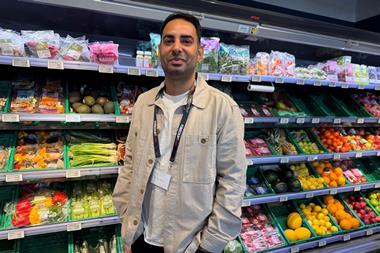
Before Charman spoke, the audience watched a video (above) of his Spar/BP site which won the top Forecourt Trader of the Year accolade last year.
Having developed a range of food-for-now and food-for-later, made on site, Charman now also wants to focus on bringing products directly to customers’ addresses.
“Deliveries have to be the next stage,” said Charman, who says the business dabbled in deliveries during the Covid lockdowns and still has a small number of customers who continue to shop this way.
Over the past six months, Parkfoot Spar has also been delivering meat to some convenience store customers from its instore butchery, which Charman installed around 15 years ago inspired by the Irish forecourt market.
“And that’s growing, which is great,” said Charman. “But I think that there is so much more that we can get out of the site. If we’re going to grow the business, the way that we need to in order to survive, then delivery will have to be part of that offer.”
Charman said that having his own in-house food production, backed by a symbol group, has allowed his business to stand out from the competition.
“There’s such a great opportunity to not necessarily just sell what everybody else is selling but actually try and get unique products so that people come to you and think: ‘Wow, these are these are great products, which I like’, and that we’re the only place where they can get them,” he said.
“It requires a huge investment, and there are some stores that will go fully automated as shops shut and that sort of thing. But you know, we’re probably at the other end of the scale, really, where our shop is the most profitable part and the future of our business.”