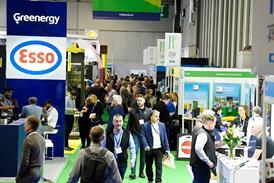
summit profits panel

Source: Ross Jukes

From LtoR: Ali Lyons, CEO Cybake; Hemant Tandon, operations director, Park Garage Group; Jamie Sejpal, operations manager, Platinum Retail Group; Clare Lafferty, director PetrolPrices - myAutomate; Gordon Balmer, executive director PRA

With fuel retailers constantly under fire about the margins they make on petrol and diesel, it was only natural that a ‘Making Profits Now’ panel should start its session with Fuel Finder.

At Summit 2026, Gordon Balmer, executive director at the PRA, alluded to a previous session presented by Germany’s Market Transparency Unit for Fuel, which said that having a Fuel Finder scheme there since 2013 hadn’t made much difference in terms of fuel margins. “When you have costs going up, you can’t expect margins to drop that much,” he said.

The launch of Fuel Finder here has come up for a lot of criticism, mostly around the fact that it wasn’t really ready for launch. Clare Lafferty, who is director at PetrolPrices – myAutomate, which bid to run the scheme here, said having transparent petrol prices was nothing new. “PetrolPrices and many other schemes like it existed long before this scheme came into effect. If you’re a price conscious consumer, there were choices, and it was at the expense of businesses like ours who wanted to fund that platform and provide that service for free. 

“What’s happened now is they have forced retailers to comply with something that comes at a cost, and that cost goes through to consumers. The reality is it wasn’t new. It’s not innovative. There was already a choice for consumers.

Jamie Sejpal, operations manager, Platinum Retail Group, entered the conversation, describing Fuel Finder as “horrible”.

He said he had to wait seven days for a code to access the government website. He then had to enter details on a spreadsheet and once he had done this laborious task, it came back to him with the message that he had 700 mistakes to override.

“When it says we can now compare fuel prices with our competitors, we already have places that we go to do just that. We have Edge Petrol and we have myAutomate which we already use,” said Sejpal.

Moving on to profiting from food to go, Ali Lyons, CEO at Cybake, told the audience not to forget the drinks because that was where the real profit is. “A cup of tea is full of margin,” she said.

“When it comes to making a profit on food and drinks to go, it sounds really simple but knowing every line on your P&L is vital. What are those numbers telling you?”

On waste, Lyons said it was all about how much waste a retailer was willing to tolerate. “We work with a very high-end retailer, for example, who is quite happy to run their waste on their foodservice counter at 15%. For them, it’s really important to have fresh product out. There’s a theatre element and it looks really good. So, they’re prepared to lose some profit. 

“But then we’ve got other customers that need to run things really tight. They’re not too fussed about it being fresh for the customer. They just want to cook it all at once and then not have to worry about it until the end of the day. You really need to be clear on your purpose when you are defining what target you’re going after and you it is essential that know what you want to make.”

Hemant Tandon, operations director, at Park Garage Group, then went on to talk about his Bakery 79 concept which first opened in January 2025 and today is present in more than 15 sites.

“We work with the guys at Cybake to get a really good indication of what waste looks like and what food management production looks like. It’s really about making sure that everything we’re doing is best in class. It’s basically going on a journey to make sure that you’re doing what’s right for the customers and what’s right for you – and to make a profit at the same time.”

Tandon said that with waste, you had to look at it as both a positive and a negative. 

“The negative thing is obviously that it’s waste. You have to have a balance of what you’re comfortable with, what you can financially afford and also what looks good to your customers. 

“Having higher waste would mean that we probably have more products on the shelves. No one wants the last sausage roll or sandwich. You’ve got to have a balance between showing the customer that the availability is strong, but you’ve also got to manage your own costs internally as well. It’s about accepting that waste is not always a negative, as long as it’s controlled.”

Lyons added that production planning helps: “It helps you get ready for the customer at the right time of day, using data and not guesswork. It’s about being really clear about what you want available.”

With price so important within the competitive forecourt marketplace, Lafferty told the audience about how PetrolPrices now lets retailers advertise their products on the platform.

“The launch of FuelFinder may make people use products like ours more so we need to move the conversation away from the price to what else is there. This means you don’t have to wait any more for someone to drive past to tell them – on a sandwich board  – that you have something new. You have an opportunity to put it out in front of people who are actively deciding where they want to go, and that can make a difference, particularly if you’ve installed a new car wash or you’ve opened a new bakery brand.”

The service is great for offers, which are all bar coded and PetrolPrices tracks redemptions so retailers can see who wants what and when 

“It’s a good market research tool which can tell you whether people want breakfast deals or coffee to go. And do they care about the brand of coffee? We can now give you that data,” said Lafferty.

 Valeting has, of course, made a big resurgence as a profit centre for forecourts in recent times.

Jamie Sejpal told Summit: “In the past we tended to have hand car washes on our sites. But when the CWA alerted the industry that many of these hand car washes were quite problematic, especially with workers who don’t have to right papers, we saw that we needed to move away from that. 

“We were hearing good things about jet washes and rollovers, we had the space on our forecourts so we decided to invest in car washes and jet washes.

They’re doing really well at the moment We are seeing profits rising.

Sejpal said it was quite an investment but Platinum used the profit share route and reckons payback will be within a couple of year. The company is looking to implement even more car washes and jet washes on sites.

Balmer then told the audience that the CWA continues its work with the government to get hand car washes to be more compliant.