



















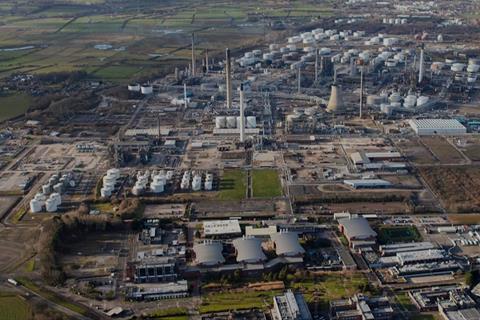
The UK’s four remaining oil refineries are operating “with one hand tied behind their back” due to a tax regime that requires them to pay up to £400m to the Exchequer each year for the carbon they emit – a cost not faced by refineries in the US, Middle East and India.
Fuels Industry UK says the opening of a government call for evidence into the UK’s downstream oil industry by represents “a vital opportunity to meaningfully address the challenges of a sector currently being driven to the brink.”
The industry body, which represents oil refineries, terminals, and filling stations, warns that the UK’s diminished and precarious refining capacity is making the country “more exposed to global instability”, with foreign-processed fuel being given “an unfair advantage” due to domestic carbon taxes. The organisation says Westminster views the industry, which supports 100,000 jobs, as “a problem rather than essential for everyday life”.
The sector lost two refineries in 2025, with the collapse of Prax leading to the closure of the Lindsey facility in August, while Scotland’s only refinery, Grangemouth, shut down in April. The UK’s remaining refineries – Humber, Stanlow, Pembroke, and Fawley – are operated respectively by Phillips 66, Essar, Valero, and ExxonMobil.
Elizabeth de Jong, chief executive of Fuels Industry UK, says that “without urgent policy action to create a level playing field, we risk exporting jobs and emissions and continuing to deindustrialise rather than decarbonise credibly”.
de Jong said the government must show “a clear commitment to meaningful change” if domestic refiners are to be able to “compete globally while delivering the low-carbon technologies of the future”.
Rather than an end to UK carbon taxes, FIUK is asking ministers to implement a Carbon Border Adjustment Mechanism that will add tariffs to imports to give them more price parity with domestically refined fuel.