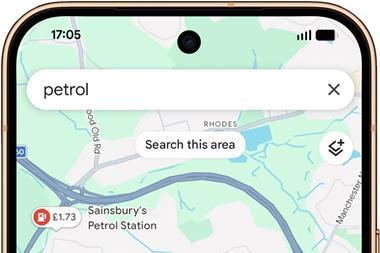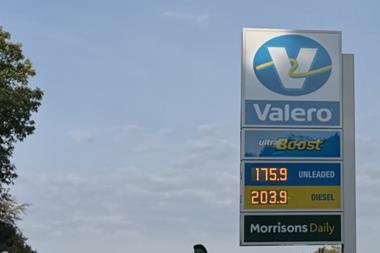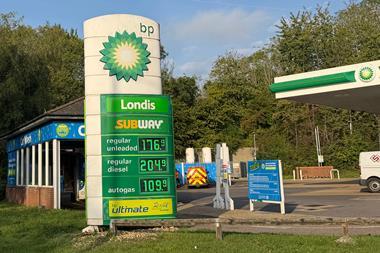





















The rollout of Fuel Finder has already been delayed, but authorities have wasted no time in detailing how much they will fine firms that break the rules, with the Competition and Markets Authority setting out that companies face penalties equivalent to 30% of their annual UK turnover for the most serious breaches.
The watchdog says that “in most cases” it expects VE3 Global, the ‘aggregator’ tasked with running the scheme, to “resolve potential breaches without the need to involve the CMA”. But if formal enforcement action is taken, the CMA will “generally use a starting point between 21 and 30% of UK turnover for the most serious types of breach”.
Forecourt firms face two types of penalty should they fail to correctly share data with Fuel Finder: fixed penalties can be issued for failures that have been resolved, while additional, daily penalties can be handed out for ongoing breaches.
The law behind Fuel Finder, Motor Fuel Price (Open Data) Regulations 2025, sets the cap for fixed penalties at 1% of global turnover. So while fines will be calculated based on UK revenue, companies with multinational presences can’t be issued penalties that exceed 1% of their global revenue, with daily penalties capped at 5% of daily global turnover.
Fines will be adjusted to reflect aggravating and mitigating factors, as well as to serve as a deterrent to other firms, and based on the “harms” done to consumers by any breaches.
VE3 Global will be obligated to alert the CMA if it is not able to resolve any breaches itself, at which point the regulator will begin “targeted, proportionate and efficient” enforcement action. This will see the authority launch an investigation, during which it will be able to interview retailers ”under formal powers”, with refusal to take part in an interview resulting in a fine being issued.
Retailers will also be required to produce relevant documents and information the CMA asks for, while the watchdog will have the power to issue compliance notices, forcing retailers to remedy any breaches. A “notice of intent to issue a financial penalty” can also be issued, at which point the fuel trader will be given two weeks to “make representations” to defend itself.
The CMA says penalties will only be issued if breaches occur “without reasonable excuse”, and cites “significant and demonstrable IT failure” as one example of this. “The death or incapacity of a key official” could be considered a valid justification for smaller firms failing to fulfil their legal obligations to share data.
Staff taking annual leave, and firms forgetting to share data will not be considered reasonable excuses, however.