













Drinks sold in bottles that are not compliant with the Deposit Return Scheme will be allowed to remain on sale for six months after the scheme goes live on October 1 2027.
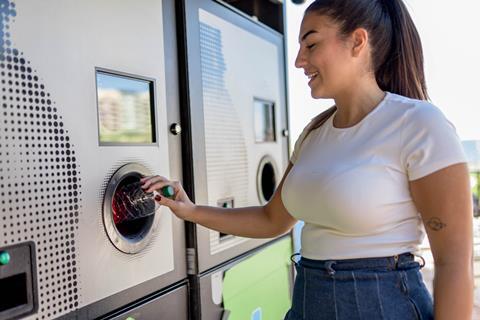
From that date, all drinks containers made from PET plastic, aluminium or steel – which represent most of the soft-drinks market and much of the alcohol one – must be compliant with DRS regulations, which requires them to have a DRS logo and scannable barcode allowing them to be handed back to retailers for recycling.
But Exchange for Change, which is administering the scheme, recognises that after October 1 “there will be a mix of non-DRS and DRS-compliant products on the market”, so is introducing a six-month amnesty during which non-compliant containers can be sold.
The organisation says this is being done “to minimise disruption for producers and reduce the risk of product and raw material waste” – though this amnesty only applies to England, Scotland and Northern Ireland, with arrangements for Wales, which has a different scheme, to follow.
Non-compliant bottles sold during the six-month “transition period” won’t have the 20p deposit levied upon them for consumers to pay, nor will they incur the “producer fee” applied to drinks manufacturers.
Exchange for Change warns, though, that while flexibilities are being discussed with regard to manufacturers making use of unfilled, non-compliant containers linked to drinks orders placed before October 1, unfilled containers that are not linked to orders placed before that date cannot be sold after it.