









Wholesaler Unitas has developed a tool to help retailers calculate the impact of the forthcoming Deposit Return Scheme, which all shops selling drinks in single-use plastic and metal bottles and cans will have to take part in.
From October 1 2027 a 20p deposit will be applied to single-use drinks containers made of PET plastic, aluminium or steel with capacities of 150ml to 3l, with the deposit affecting all retailers selling such drinks.
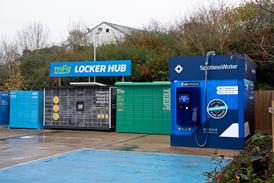
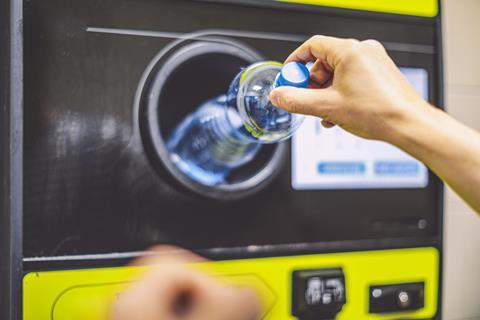
That deposit is given back to customers via a voucher, cash or digital payment when they return an empty container, with most retailers (see below for exemptions) having to accept returns either manually, or via automated ‘reverse vending machines’ (RVMs), which cost around £5,000 for a small unit, to £30,000 the largest, most sophisticated ones.
Shops will also have to arrange collections of empty bottles, being paid 3p per processed container for manual collections, and 5p for the first 225,000 returned via RVMs, after which 1.3p will be paid.
Previous research has indicted that retailers hosting reverse vending machines will have to process as many as 4,000 containers a week to break even, while handling and storing containers manually will bring logistical challenges for stores.
To help understand the impact the scheme will have on their businesses, Unitas has launched a DRS Calculator for retailers, accessible via its Plan For Profit online customer portal.
The tool will calculate the impact of the scheme based on a retailer’s store type, square footage and average weekly sales, estimating the number of returns that could be processed each week and comparing return fees against the cost of running an automated or manual takeback scheme.
John Kinney, chief executive of Unitas Wholesale says the DRS scheme presents “significant challenges for independent retailers”, and the firm wants “to cut through the complexity and translate the scheme into clear, practical information.”
He explains: “The calculator takes industry-wide information and turns it into something much more meaningful at individual store level.
“It allows retailers to test different scenarios, understand the potential volumes and financial implications and start thinking about the practical decisions they will need to make.
“There won’t be one solution that’s right for every retailer, so understanding what DRS could mean for your own store is essential. The DRS will be one of the most significant operational changes independent retailers have faced in recent years.
“It will undoubtedly present challenges, but there will also be opportunities. Retailers that prepare early can consider how becoming a convenient destination for consumers returning containers could help protect, and potentially increase, footfall and sales.
“Our message to retailers is simple: don’t wait until October 2027. Start understanding what DRS could mean for your store now, consider your options and put a plan in place. Unitas will be supporting retailers throughout that journey.”
DRS exemptions
While all retailers selling drinks in single-use containers will add 20p deposits, shops in urban areas with under 100m² of retail space will be automatically be exempt from having to accept returns. Urban shops with 100m² and 199m², and rural stores with under 200m², can apply for takeback exemptions.
Exemptions can also be applied for by stores with site-access issues, those that are in close proximity to other return points, lack the necessary access to utilities, or occupy heritage and listed buildings.