


















There has been a 9% rise in the number of motorists contacting the Driver and Vehicle Licensing Agency to report their vehicle’s registration has been cloned.
Some 11,402 people told the organisation last year that they believed their vehicle had been cloned – typically after receiving a fine or penalty from somewhere they knew they had not been – up from 10,460 in 2024, a 9% rise, and almost double the number from 2018, when 5,912 reported the issue.
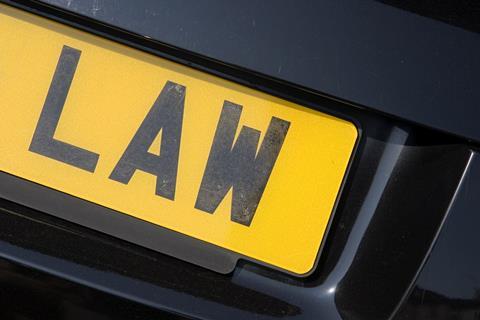
Cloned plates occur when ne’er-do-wells copy the registration from a car similar to the one they are driving after scouring classified adverts to find a suitable car.
They then employ an unscrupulous number-plate manufacturer to make up the false plate, which, when attached to their car, allows them to evade speed cameras, parking fines and debt-collection from forecourt security firms, as any investigations will lead to the innocent victims whose vehicles have been cloned.
Theoretically, number-plate manufacturers should demand to see a vehicle’s V5C logbook when making up a registration.
But despite repeated calls to fix it, the UK’s number-plate system has been known to be catastrophically broken for some years now, with over 40,000 registered but unmonitored firms licensed to manufacture plates, materials to make plates easy to come by, and as many as 3m vehicles sporting dodgy registrations.
And, while the number of cloned plates is rising, ‘ghost’ plates – which see materials, sprays or clear films used that block the ultraviolet light relied on by ANPR cameras – are believed to be even more popular.
Simon Williams from breakdown firm the RAC, which submitted a freedom of information request to the DVLA to obtain the cloned-plate data, says the issue has “become the menace of modern-day motoring, as it leaves innocent drivers having to fight to prove they weren’t driving their own vehicle at the time and place camera evidence shows.