

















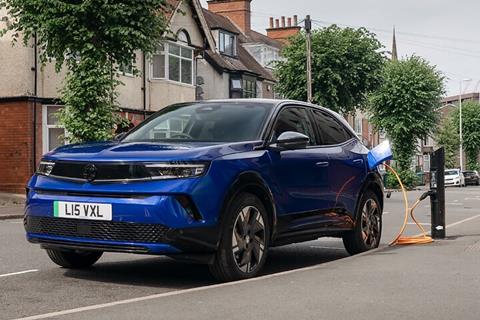
Stellantis, the multinational owner of Vauxhall, Peugeot, Fiat and 10 other car brands, has taken a £19bn hit as the automotive industry continues to butt up against consumer resistance to the electric cars being mandated by various governments, including the UK’s.
The firm plans to “reset” its business model, adopting a new strategy that will give customers “freedom of choice”, with a greater focus on petrol and hybrid-powered cars, and less on EVs.
The firm’s chief executive, Antonio Filosa, said the charges “largely reflect the cost of over-estimating the pace of the energy transition that distanced us from many car buyers’ real-world needs, means and desires”.
Filosa added: “The reset we have announced today is part of the decisive process we started in 2025, to once again make our customers and their preferences our guiding star.”
Changes include new hybrid Fiat models, a cancellation of the electric Ram pickup truck with an the iconic ‘Hemi’ V8 petrol engine offered in its place; plus the reintroduction of the Jeep Cherokee and six-cylinder Dodge Charger, the electric version of which met with lukewarm reaction.
The announcement saw shares in the firm fall by 14.5% before trading was halted, while Stellantis told investors it will not pay a dividend in 2026. The company simultaneously announced it is to sell its 49% stake in battery-manufacturing firm NextStar, giving full ownership to LG Energy Solution.
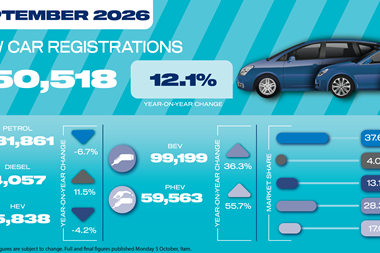
Last month’s registration figures saw EV sales stagnate with just a 0.1% growth compared to January 2025, while plug-in hybrid models soared by 47.3% over the same period.