











Local connections matter. And these five practical ideas from independent retailers, from making it personal to better understanding customer journeys, can help make your forecourt a thriving hub for your community.
Being local means understanding what your customers need and building your business around it. That knowledge is a real advantage for independent retailers, particularly when combined with the backing, support and scale of a national brand. So how can businesses better connect with the people using them them day-in, day-out? And what do successful retailers have to say about making a local focus work for them?
Here are five practical ideas used by independent Jet dealers that could help make your forecourt work harder for you and better for the people who use it.
1. Know who you’re serving
Start by asking: “What journeys are my customers making?” Someone buying breakfast on the way to work has very different priorities from a family stocking up for a trip to the coast. The country is a patchwork of different communities with different needs, and the more you understand your particular square of that patchwork, the better you can serve your customers and keep them returning.
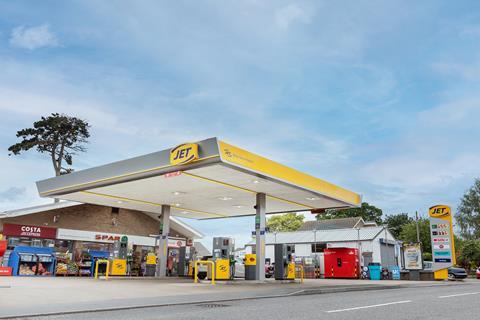
Gill Marsh Forecourts Limited’s three Jet forecourts in Lincolnshire are a great example. All sit within around five miles of each other, yet each has a very different role. Bilsby Filling Station serves village life with a Post Office and produce from local butchers and bakers. Partney Filling Station, on the other hand, sits on the route towards Skegness, a popular holiday destination, so its shelves are fully stocked with caravan supplies for holidaymakers.
Ulceby Cross is different again – with a 3,000 sq ft shop, plus hot food available from Tom’s Kitchen, which is freshly prepared onsite, with both indoor and outdoor seating areas. “We keep testing, listening and adjusting,” says managing director Tom Dant.
Sales data can show what’s selling and what’s not, but only conversations with customers will tell you what they are missing. A frequently requested product is worth looking into. A product that sits untouched on the shelf is worth reconsidering. But look for gaps, too. You’ve got to spend time at the till asking your customers what they want and what they need, then use what you hear to shape your offer.
2. Make it personal
Personal service isn’t about turning every transaction into a long conversation. It’s giving your customers the sense that they are being noticed and helped. Remembering a regular or asking how their holiday went can make a routine stop feel a little more connected – and over time, those conversations are what give people a sense that they belong.
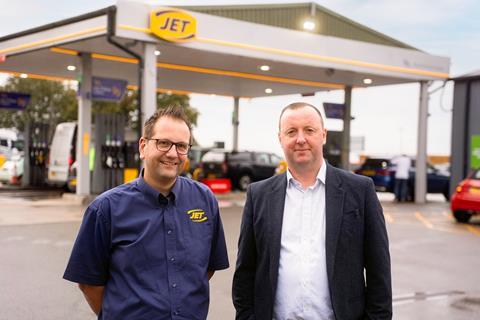
Friendly, familiar faces help make it more personal. At Jet Cooper Bros, operator Garry Gibson started working on the forecourt aged 15. Most of the team have been there for 20 years or more. That sort of continuity is great for customers, and it gives relationships time to grow.
Set the example at your own site. Take time to acknowledge regulars, make newcomers feel welcome and encourage your team to do the same. It also helps to find time for the team to share things they’re hearing – that way a customer’s relationship isn’t just with a staff member – it extends across the whole forecourt.
3. Give people more reasons to visit
Forecourt retail has no shortage of things you could add. The answer is not to adopt every new service or feature. It is to identify which additions would make the biggest difference to your customers.
At Porters Garage in Grimsby, Vijay Jaganathan reopened a closed site with a refitted shop stocking groceries, fresh vegetables and household essentials, plus coffee, hot food and an ATM. That gives locals plenty of reasons to visit, even when the fuel gauge is nowhere near empty.
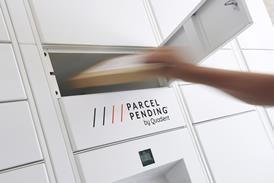
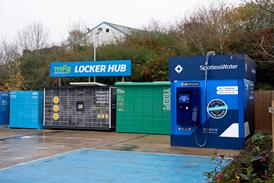
The useful question is: what problem can I solve for customers today? A breakfast offer might suit early commuters. A parcel collection point could help people get another errand done. Save your customers a separate trip and you’ve given them a good reason to make your forecourt a regular stop. Start with what is relevant to your community, test it and build from there.
4. Get the basics right
Think about things from first principles. Put yourself in the shoes of a first-time customer. Walk through your site. Can you see where to park, find what you need and pay without delay? It sounds like basic stuff, but familiarity can make daily irritations easy to miss.
This is exactly what Jet Restalrig Service Station did. Its redevelopment in Edinburgh improved the forecourt layout, added parking and redesigned the shop. With only a small increase in footprint, the store more than doubled its retail offer and improved customer flow.
The same discipline applies to modest budgets. Clearer signage, clean facilities and what customers see in the queue are things that deserve attention before the next big addition. Ask your team where customers get stuck. Try the site during its busiest period. Everything working well on a quiet Tuesday afternoon isn’t really a test.
5. Use national support to strengthen your local offering
Once you understand what your local customers need, national support can help you turn that insight into action.
At Bourne Bridge Service Station in Ipswich, director Veluppillai Sivarajah highlighted Jet’s support as he developed the shop and improved the offer, tailoring it towards his customers. He describes his retail account manager, Naina Patel, as “always at the end of the phone”.
Bringing the right support into the conversation early can help retailers make better-informed decisions without losing sight of what makes their own site distinctive. Start with one change that would make today easier for your customers. Agree what success looks like. Is it stronger feedback, repeat visits, shop sales, food-to-go performance? Once you’ve got that, see how customers respond and build from there.
Jet’s approach provides dealers with a friendly, personalised service from people who take time to listen – all while being supported by the reach, tools and experience of a national network.
To find out more about Jet’s support for independent retailers visit jetlocal.co.uk/jet-business