













Fuel pricing representation and the impact on independent retailers is being misrepresented on the national television and publicly to the detriment of independent fuel retailers.
Over the past 12 months, public and media discussion around fuel pricing in the United Kingdom has increasingly focused on retailers, often implying that forecourts are the primary drivers of rising costs. This representation is incomplete and risks misinforming the public.
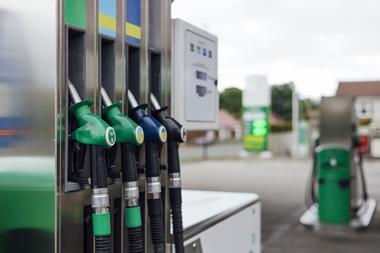
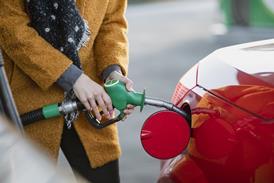
Fuel pricing is composed of several elements: wholesale cost (driven by global oil markets), distribution and logistics, retail margin, fuel duty, and VAT. Of these, only the retail margin is directly controlled by forecourt operators.
Fuel duty contributes approximately 52.95 pence per litre and does not change with market conditions. VAT, charged at 20% of the final price, increases automatically as fuel prices rise. Together, taxation accounts for around half of the pump price and generates approximately £36 billion annually for the UK government.
Retail margins are typically in the range of 8 to 11 pence per litre. This is not profit, but the operating margin required to sustain businesses – covering wages, energy, rent, maintenance, and financing. Over the past two years, increases in the National Minimum Wage have materially increased staffing costs, which retailers must absorb. These costs are outside retailer control.
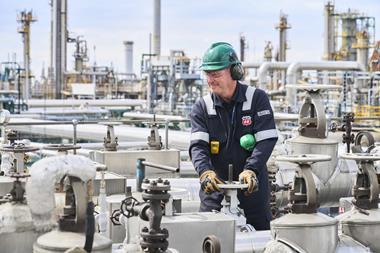
Distribution and logistics costs have also risen, driven in part by wage increases for drivers and supply chain workers. Wholesale fuel prices have increased due to global market conditions. Retailers do not set these prices.
The majority of price increases therefore originate from wholesale costs and taxation, not retail margins. At the same time, VAT receipts increase automatically as prices rise, meaning government revenue increases without any policy change.
In the past 10 days, senior government figures including Rachel Reeves, Ed Miliband and Keir Starmer have made public comments suggesting that retailers are profiteering. These statements have been widely reported across BBC News, online coverage, and political programming.
This narrative is not supported by the underlying data.
A critical and overlooked distinction is that while fuel duty is fixed, VAT increases in cash terms as prices rise. This means that during periods of higher fuel prices, the Exchequer receives increased revenue per litre through VAT.
This has not been clearly communicated in recent reporting. The absence of this explanation risks creating a misleading narrative in which retailers are perceived as the primary beneficiaries of rising prices, when in reality their margins remain constrained.
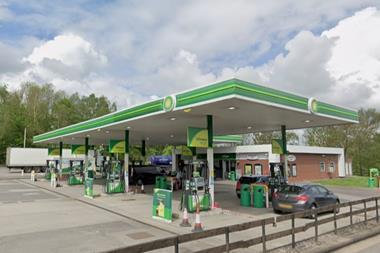
Independent retailers represent approximately 67% of petrol filling stations in the UK. They are a critical part of the national infrastructure. Without them, fuel access across large parts of the country would be severely affected.
Continued public messaging that disproportionately attributes price increases to retailers risks damaging confidence in a sector that operates on tight margins and is essential to the functioning of the UK economy.
We therefore request that BBC reporting reflects the full and accurate composition of fuel pricing, including taxation mechanisms, global market forces, and operational cost pressures.
Specifically, we ask that future coverage clearly explains the role of VAT in increasing government revenue as fuel prices rise, and avoids attributing primary responsibility to retailers without full context.
A balanced and evidence-based presentation of this issue is essential to maintain public trust and ensure fair representation of independent businesses.
- Commentary supplied by the boss of an anonymous Top 50 Indie operator.