The coffee-to-go category continues to be a strong opportunity with emergent players trying to win over forecourt operators, and motorists demanding quality when it comes to their caffeine hit.
This year has seen two new brands – Café Delice, a sub-brand of Delice de France bakery food to go, and Unity Coffee, established by one of the co-founders of the company which pioneered self-service premium coffee in the forecourt sector. Also launching this month is an external coffee vending machine for customers who do not even have to venture inside.
According to a survey by Lumina Intelligence, 58% of petrol station operators believe that hot coffee will be extremely or very important to their business in the next five years, ahead of food to go at 56%.
6) Something to go with your coffee?
1) Let’s take it outside
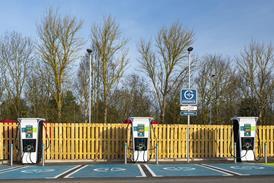
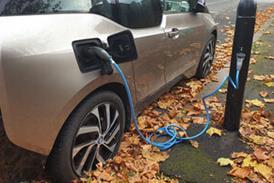
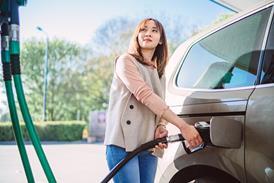
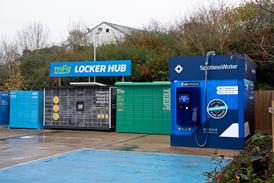
The growth of electric vehicle charging will create opportunities in this category which iSpy Group is planning to tap into with its new outdoor hot beverage vending machines. The units, launching this autumn, are available on a lease or purchase agreement in which operators keep 100% of the profits. “Many electric car owners don’t go into the forecourt when charging their vehicle and so we see a big opportunity for outdoor coffee vending machines,” says commercial director Gemma Franklin.
The first of the machines are due to launch at Carbana car wash sites, dispensing bottled drinks. But Franklin says that they can house anything from snacks to car wash products and have a major role to play in forecourts selling hot drinks.
2) Flavours of the month
Pumpkin spice and maple hazel lattes are among autumnal seasonal drinks back on the menu at high street coffee chains.
Many trends like these, alongside the move to matcha, chai and functional drinks, described as “huge” among Gen-Z consumers aged 13 to 28-years-old, are difficult to execute in forecourts. But despite this, and demand for these varieties being niche, operators should acknowledge that they are “on the horizon”, says independent foodservice consultant Matt Cundrick.
Karak chai, in particular, says Cundrick, is gaining traction with certain demographics, and there are now machines that can cater for such drinks.
For example, new to industry brand Unity Coffee, which claims to be disrupting the sector with value-priced, barista-style coffee that can be purchased on a mobile phone loyalty app, has equipment that dispenses matcha, a fashionable powdered green tea. Its machines, which also make speciality coffees and hot chocolate, are available on a revenue share model. They also have the option to use plant-based as well as dairy milk.
3) Gone in an instant
The days of customers being happy with instant coffee from a vending machine have gone. With 80% of Brits visiting coffee shops weekly, spending on average £3.64 for a latte (according to Allegra’s 2025 data), customer expectations are high regardless of where they purchase their drink.
Unity Coffee founder Scott Martin says that petrol filling station hot drinks are often over-priced and suggests that a reasonable price for a machine-made flat white should be pitched at around £2.75 – some 25% less than customers would expect to pay on the high street.
He points to the fact that people are paying almost as much for a coffee in a petrol filling station as they do in an upmarket coffee shop as evidence that on-the-go coffee has “lost its way”, and hopes that his brand will re-energise sales to reflect a “turbo-charged” high street coffee business that is in double digit percentage growth.
High quality coffee on the go is no longer a luxury, “it’s a daily essential”, says Lavazza, which has a self-service drinks range that includes espresso-based coffee drinks, hot chocolate, and a choice of tea.
Its head of coffee to go Zain Hyde says: “A strong coffee offering can position forecourts as the go-to destination for morning routines, driving customer loyalty and repeat visits.”
By stepping up to a premium brand, retailers will enjoy a halo effect beyond the cup, says Cundrick. “Customers often choose where to refuel based on the coffee brand at site,” he says.
“Premium brand visibility at roadside signage is as much a footfall driver as price-per-litre, raising awareness, trust and willingness to spend more on-site. The return comes not just from coffee sales, but from reinforcing the store as a destination for higher quality food-to-go overall,” he adds.
4) The barista experience
Most forecourt operators rely on standard vended solutions such as Costa Express and Lavazza machines. While this is simple and trusted, says Cundrick, the format limits range, customisation and brand differentiation.
For the majority of forecourts, of course, a fully staffed barista counter, with grinders and steam wands, offers the flexibility to serve up seasonal and bespoke drinks, but returns would rarely match the capital investment, employee costs, and space required.
Semi-automatic bean to cup machines though, operated by staff either at a till point or food counter at the touch of a button, can be the answer for those looking for a better-quality beverage and customer experience, says Cundrick. Examples can be seen at the likes of Greggs, Pret or BP’s Wild Bean café, while Park Garage Group, for example, has used the semi-automatic format for customers to serve themselves.
Lavazza’s Zain Hyde says that syrups like vanilla, caramel, and hazelnut can offer a customisable experience, while its separate oat and dairy milk tanks cater to the one in three Brits choosing non-dairy options.
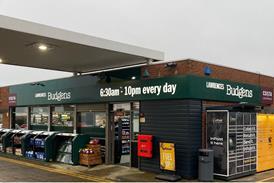
He says that the Lavazza on the Move concept – now in place in over 200 petrol forecourt and convenience stores nationwide, with operators including Highland Group, Lawrence’s Garages, EG On The Move, and Booker Retail Partners – continues to evolve to reflect customer feedback. A winter special syrup is in the works, for example, and Lavazza is exploring the addition of iced drinks in 2026 for its self-serve offering.
However, it expects its classic milky favourites such as lattes, cappuccinos, and flat whites to continue to dominate.
5) Loyal followers
Loyalty programmes, whether digital or on a simple paper card, have great value in building footfall into one location, says Cundrick. “Digital-first loyalty, where available, adds the advantage of capturing behavioural data,” he says. “Keep loyalty simple and consistent, digital where possible, paper if it drives repeat visits.”
Unity Coffee says that by encouraging customers to use its mobile app, alongside tap and go and manual payments, the business can give personalised offers, such as ’£1 latte Wednesdays’ or 50p off a drink in the next two hours.
Loyalty programmes are not the only way to encourage habitual purchases, asserts Lavazza’s Hyde. Complementary items like reusable Lavazza travel mugs not only generate additional revenue, he says, but also embed the brand into daily consumer habits.
Lavazza on the Move customer Tom Highland, Highland Group managing director, says he has used the brand in several ways to instil customer loyalty. “It pairs well with meal deals, in-store bakeries, and fuel promotions to increase footfall and site volume,” he says.
But the most compelling way to ensure loyalty, says Cundrick, remains maintaining stock and hygiene discipline: “The basics make or break reputation. Milk levels, cup availability, and daily hygiene checks must be constant,” he says. “A single bad experience can lose repeat customers.”
He adds: “Treat hot drinks as a category worth merchandising: clear sightlines, aromas, and neat presentation drive sales. Focus on reliability and consistency. In forecourts, convenience always trumps complexity.
“Hot drinks remain the foundation stone of forecourt food to go. Get this right, and it anchors credibility, repeat trade and wider spend across the store.”
6) Something to go with your coffee?
Linking hot beverages with other items is a no-brainer when it comes to upselling customers, says Cundrick.
This is not least because just 5% of forecourt ‘baskets’ include a hot drink, according to Lumina Intelligence research.
Bundle deals, such as a coffee and croissant, doughnut or hot breakfast roll, remain the easiest way to build basket size, says Cundrick.
“Forecourts that execute coffee well build credibility, customers trust the site for food-to-go generally, which has a multiplier effect on other categories,” he says.
Also, staff should encourage customers to opt for a bigger cup size, he suggests: “Prompts to ‘go large’ are simple but deliver strong profitability.”