



















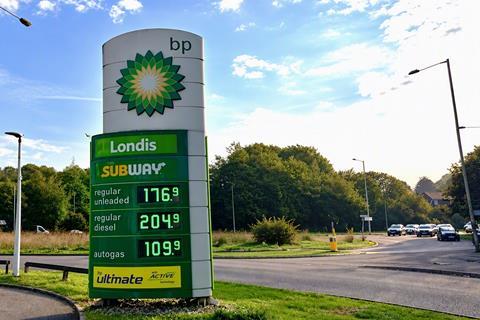
UK diesel prices have reached a new record high, with the average price at forecourts rising to 199.76p per litre and 4,702 stations now selling diesel at 199.9ppl or more – up from around 1,200 sites just five days ago, and an unwelcome trend that looks set to continue.
The rapid increase in pump prices follows wholesale diesel markets that have risen sharply amid supply concerns following the suspension of Saudi Arabia’s East-West pipeline, and heightened tensions surrounding the conflict between the US and Iran.
Most recently, rumours of a potential ban on US diesel exports have seen prices rise further; this increase has been particularly rapid, with thousands of forecourts putting their prices up in response to higher wholesale costs.
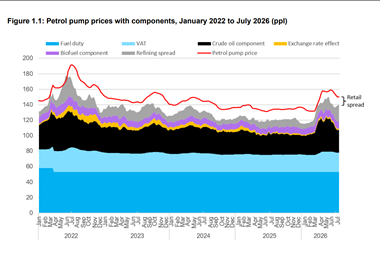
Things could get even tougher, though: the spread between wholesale diesel costs and retail pump prices is currently sitting just below its three-month average, meaning the recent rises in wholesale costs have not yet been fully reflected at the pump, and motorists facing further increases if wholesale prices remain elevated.
Previously, the 199.9ppl price point has acted as a significant psychological barrier for retailers seeking to avoid pole signs beginning with £2. With the national average now above the previous record and almost half of stations already at 199.9ppl or above, £2 per litre is no longer a barrier, but a highly porous border.
US exports outlook
Before Russia’s invasion of Ukraine, just 5% of the UK’s diesel imports came from the United States; last year, that figure had risen to 31%. The US is also a significant source of crude oil for the UK, accounting for around 30% of crude imports.
Restrictions on US supplies are likely to have an impact on UK wholesale prices, so reports that President Trump is considering a temporary diesel export ban to cool American retail prices ahead of the midterm elections are cause for concern.
Any confirmation of whether the US will or will not restrict exports is likely to be reflected in wholesale prices instantly. At the forecourt, however, the impact would take longer to feed through as retailers sell through existing stocks and purchase replacement supplies.
The UK’s ability to source supplies from the global market means a pause on US imports would not necessarily result in physical fuel shortages, but with attacks on Russian refineries, bans on Russian fuel and the effective closure of the Strait of Hormuz, additional constraints would put further pressure on an already stretched global supply chain.
International Energy Agency (IEA) membership brings with it an obligation to maintain oil stocks equivalent to 90 days of net imports. This covers oil products as a whole. Based on the latest June 2026 figures, the UK is holding a little over a month’s worth of diesel import volume. In terms of our at-risk US diesel imports, however, this equates to more than 100 days of supply, giving us some emergency headroom.
But with UK diesel prices already at record highs and the national average set to pass £2 per litre, a restriction on US imports would add further upward pressure, with refiners and traders having to source alternative barrels, most likely at higher cost.
With 45% of UK petroleum product consumption being diesel, any sustained increase in price, or restriction in supply, would have consequences well beyond the forecourt, affecting haulage, farming, manufacturing and construction.
James Hitchman is operations director at MyAutomate, owner of PetrolPrices, and Portland Pricing