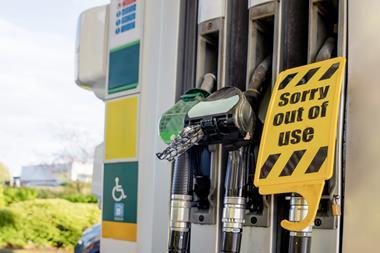






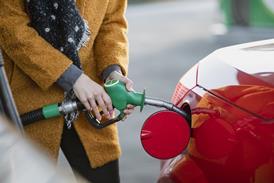





Increasing tensions in the Middle East are continuing to impact oil prices, with Brent Crude trading at over $100 a barrel for the last week, and retailers having no choice but to pass increasing wholesale prices on to consumers.
Fuel Finder data indicates the average price for a litre of unleaded stands at 171.27p, with diesel 193.85p as of September 16, with both rising by around 10ppl in the last fortnight.
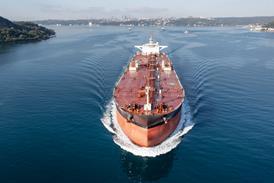
Oil remained below the $100-a-barrel waterline from mid-May to early September. But with the latest round of conflict seeing Saudi Arabia throttle back European oil supplies after drones launched from Iraq by Iranian-backed militia fighters disabled a key Saudi pipeline, pricing volatility looks set to continue.
That pipeline carried around 4% of the world’s oil supply and allowed Saudi oil to bypass the Strait of Hormuz, thus avoiding the difficulties that narrow yet vital strip of water has been subject to since the conflict began. A Saudi tanker has also reportedly been struck while crossing the strait.
The Office for National Statistics, meanwhile, says inflation rose from 2.9% in July to 3.1% in August, with soaring fuel prices a key driver of that increase.
The Petrol Retailers Association has warned that while forecourt operators “are extremely mindful of the cost-of-living pressures affecting motorists”, it will be “impossible” for them to absorb wholesale price rises without risking their businesses, making it “inevitable that these increases will be reflected in prices paid at the pump”.
Gordon Balmer, executive director of the PRA comments:
“Retailers understand the pressures motorists are facing, but they cannot absorb sustained increases in wholesale fuel costs. With prices continuing to rise, we are urging the Chancellor to abandon the planned fuel duty increase and avoid adding further pressure at the pump.”