



















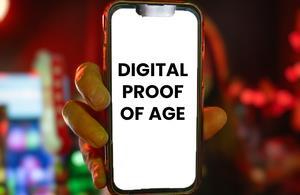
Forecourts with alcohol licences can from today (September 15, 2026) accept digital proof of age from customers who are asked to prove they are 18 or over.
The new government rules mean that in addition to traditional hard-copy proofs of age, such as driving licences, customers who are challenged to show that they are old enough to buy alcohol can use an ID app, with the Post Office, Yoti and Luciditi among the firms offering this service.
To use a digital ID customers first register with a provider, allow their face to be scanned and assessed and submit proof of age to the service, which verifies the information.
After initial registration users who are asked to prove their age when buying alcohol unlock the app by using their phone’s facial-recognition feature, which prevents people from sharing the system with someone who is underage.
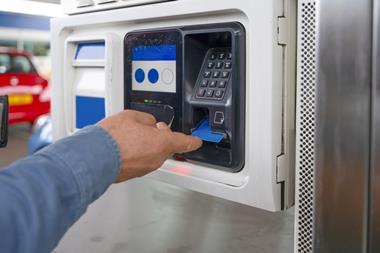
The app will then generate a QR code for scanning, or the phone can be tapped wirelessly against an in-store reader.
Whichever method is chosen staff at licensed premises will be able to confirm a customer’s age without needing to examine physical documents.
Hard-copy ID can still be used for proof-of-age purposes, though, while the government concedes “it will take businesses time to widely adopt and accept digital proof-of-age”.
Ministers say, though, that the new system provides “greater confidence than checking a physical document alone”, while also saving people from having to keep ID documents about their person.
Digital Government Minister Stephanie Peacock comments:
“From pubs and restaurants to music venues and festivals, licensed businesses carry out millions of age checks every year. It will remain an individual or business’ choice whether to use or adopt it, and physical ID will remain a valid way for customers to prove their age.
“This groundbreaking change in the law will mean you do not need to carry a physical ID, nor hand over sensitive personal information such as your name or address just to prove your age – allowing everyone to feel safer on a night out.”
Privacy campaigners are more circumspect, however. Jasleen Chaggar of Big Brother Watch cautions that ministers should “expressly prohibit businesses from requiring digital IDs for age checks without offering reasonable alternatives”.