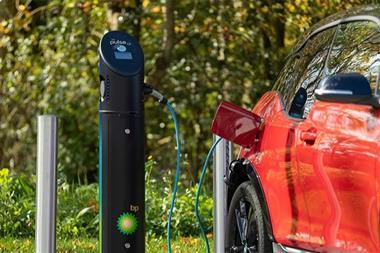



















The Treasury has announced a new £100m fund to reduce the cost of public chargers in order to further incentivise the uptake of electric cars.
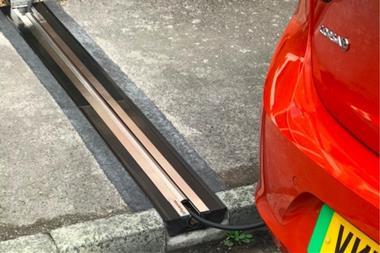
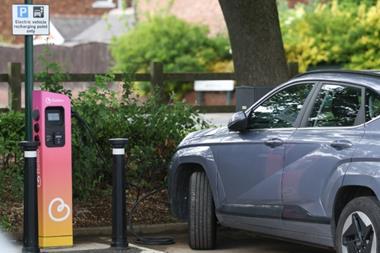
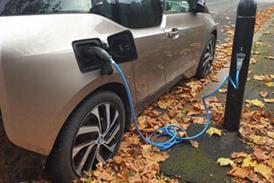
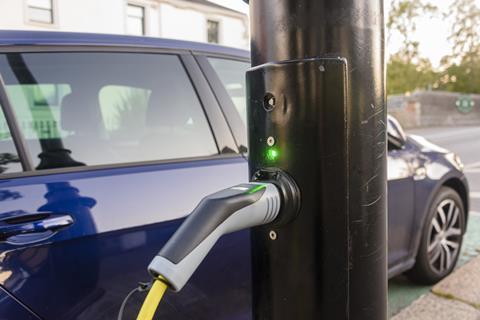
The funding will be split over two years targeting “local, lower-powered public chargers” such as kerbside devices where drivers “leave their vehicles to charge for several hours or overnight”.
Such chargers are believed to be crucial for the success of the government’s EV project, with around 35% of homes lacking off-street parking, forcing millions of potential EV drivers to use public sockets when their vehicles’ batteries need topping up.
The Treasury has yet to iron out the details of how it will apply the subsidy, but estimates it will save a typical EV driver £150 a year.
A taskforce is also being formed to investigate “tariff porting”, which could see drivers’ domestic EV tariffs applied to public charging sessions – though only at “certain” chargers, presumed to be the same slower devices targeted by the £100m subsidy.
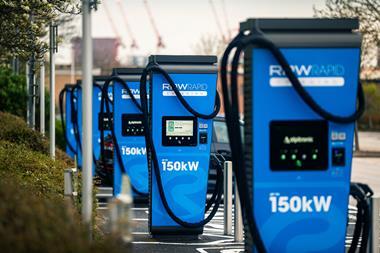
These initiatives are the latest indication that ministers favour kerbside and destination charging rather than ultra-rapid, standalone hubs designed for on-the-road top-ups.
Such hubs must contend with high build and maintenance costs, a relatively small customer base and a lack of government support, with operators long lobbying for ministers to cut the 20% VAT rate applied to public sockets.
These calls have been routinely ignored, however, to the extent that HMRC is actively fighting a tax tribunal that could, if the government loses, see the domestic VAT rate for electricity (which is currently 0%) applied to power delivered by public chargers.