



















Motorists without driveways no longer need planning permission to install charging cables underneath pavements outside their houses after the law was relaxed to encourage EV uptake.
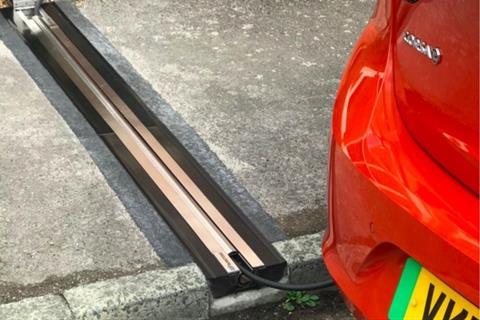
Planning permission used to be required to install charging gullies – a channel cut into the pavement and typically featuring a rubber cover – but the government announced in October last year that it was to remove this requirement.
That rule change has now come into effect, although homeowners must still consult with their council for permission to work on the pavement, with checks required to ensure utilities won’t be damaged in the process, gullies having to meet certain specifications, and planning permission still being required to install a gully in a conservation area.
While the planning-permission relaxation doesn’t solve all issues around at domestic charging for homes without driveways, as there is no guarantee a homeowner will be able to park in front of their own house, it does ease the so-called ‘pavement tax’, which tends to force those unable to charge at home to plg into public EV points, where electricity is often 10 times more expensive.
With public devices often costing £80p per kiloWatt hour, and domestic smart tariffs offering 7p per kWh off-peak prices, the government estimates the rule change could save drivers £1,750 a year in EV running costs, while removing the need for planning permission is set to bring a £300 boost for those installing gullies.