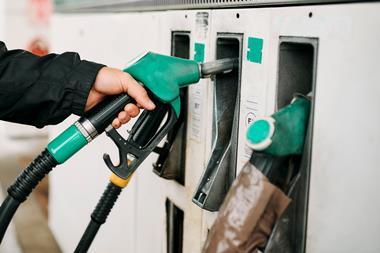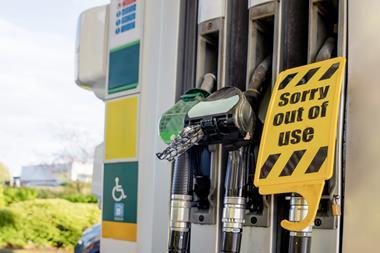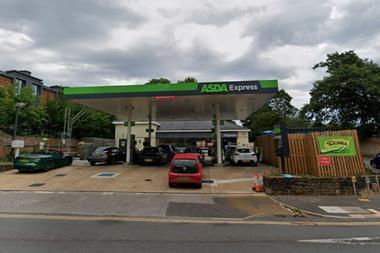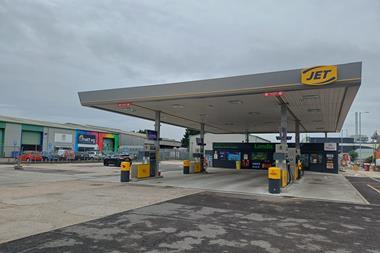





Pressure is mounting on Chancellor John Healey to cut fuel duty in his Budget next month to ease cost of living pressures on households.
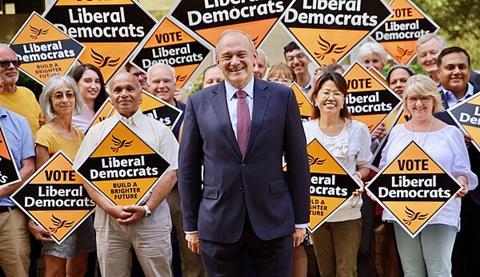
Liberal Democrats leader Sir Ed Davey this weekend urged him to cut fuel duty by 10p a litre until Christmas, following soaring increases in pump prices as a result of the Iran conflict.
Sir Ed also called on the Chancellor to abolish a planned increase in fuel duty this January. In May, Sir Keir Starmer’s government said it would postpone the hike, due in September, to the end of this year.
The Liberal Democrats, who are holding their conference in Brighton this week, say cutting 10p from fuel duty now would mean a 12p per litre reduction at the pump.
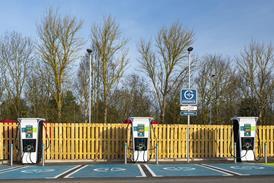
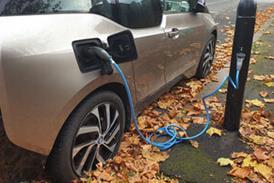
Sir Ed will also tell the conference the government must stop levying VAT on public electric vehicle charging points.
His intervention comes after the Petrol Retailers Association last week reiterated calls for the fuel duty increase to be scrapped, following the escalation of the Middle East conflict after attacks on shipping by Iran-based Houthi rebels at the entrance to the Red Sea. The waterway is Saudi Arabia’s alternative export route for its oil, avoiding the Strait of Hormuz.
With Brent Crude futures rising to more than $106 late last week, the PRA says future increases in petrol pump prices are inevitable.
“While PRA members are extremely mindful of the cost of living pressures affecting motorists, it is impossible for forecourt operators to absorb these levels of wholesale price increases without putting their businesses at risk,” it says.
“Retailers understand the pressures motorists are facing, but they cannot absorb sustained increases in wholesale fuel costs. With prices continuing to rise, we are urging the Chancellor to abandon the planned fuel duty increase and avoid adding further pressure at the pump.”
Faced with rising inflation and borrowing costs, it is increasingly likely that Healey will have to make substantial spending cuts or raise taxes in his October 28 Budget. However, he is also facing calls to help households facing a cost of living squeeze.