










Soaring diesel prices could be quelled somewhat after G7 governments agreed to release stockpiles to stave off President Trump’s threat of export bans, and oil major BP announced it is set to “max” its output of the fuel.
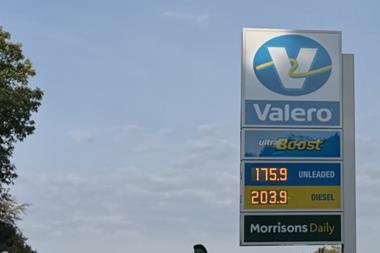
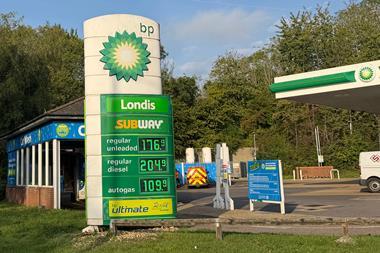
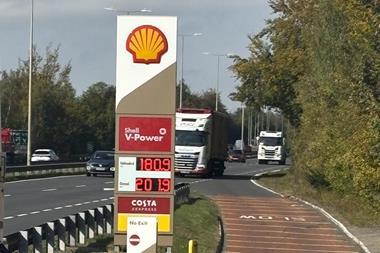
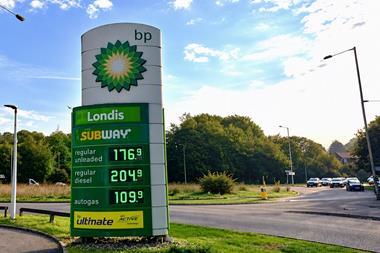
The average price of a litre of diesel stands at 200.2p, almost 60p more than it was before the Iranian conflict began at the end of February. Much of that hike has been down to Middle Eastern supply issues, compounded by the UK’s winding down of Russian diesel imports and its acceleration of US ones.
Further rises were brought about by America mulling a ban on exports of diesel in a bid to reduce fuel prices and inflation in the run-up to the Midterm elections. But with the G7 countries of Canada, France, Germany, Italy, Japan, the United Kingdom and the United States collectively agreeing release 100 million barrels of stockpiled oil and diesel over the next four months, President Trump announced: “We’re not going to be doing the export ban. We were never going to do it.” The US leader also signed a temporary executive order allowing untaxed red diesel to be bought by anyone, not just construction and agricultural users.
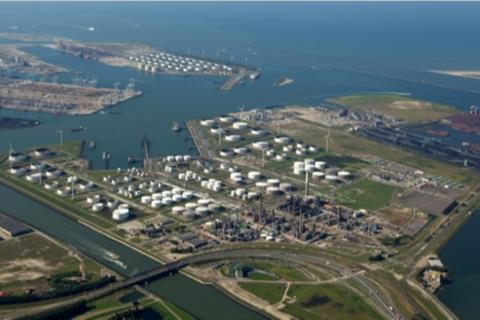
Those pronouncements were followed by BP’s chief executive, Meg O’Neill, telling the audience at the Energy Intelligence Forum that the company is adjusting its refineries’ output “to try to max diesel”, with the oil major’s Rotterdam refinery doubling production of the fuel in August.
Financial research firm Pantheon Macroeconomics has predicted the G7 fuel release could have a direct impact on UK diesel prices, knocking the cost of a litre of the fuel by 2.5%. ““If fully reflected in UK costs and passed through [it] would lower UK diesel pump prices by 5p to 6p a litre”, the firm said.