


















Seven months ago, when I sat here writing about Donald Trump’s then recently resumed war with Iran, it didn’t cross my mind that I’d be doing it again now. It seemed then that we’d probably suffer a huge spike in pump prices, possibly with temporary shortages, but that after a short, sharp shock everything would probably be back to normal before the summer was out.
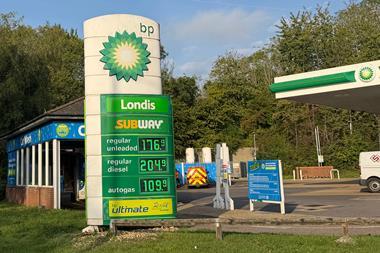
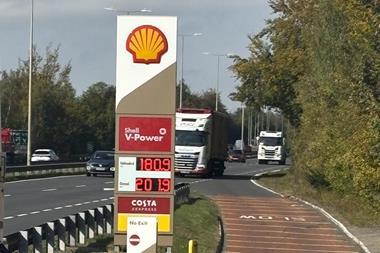
At the time of writing (September 30), ‘typical’ pump prices for diesel across the UK are reported as being 199.7ppl, while my newly-employed AI assistant tells me that motorway service area prices average 216.15ppl with some already at 219.9 ppl. Ouch! And I am concentrating on diesel rather than petrol, which is now around 174.00ppl, because for a substantial part of the past 20 or so years many consumers were persuaded by governments of all political flavours to switch to diesel because it was somehow supposed to be greener.
Apart from the price of the stuff, there is a lot of speculation again about imminent shortages of the product. Not only the ongoing US-Iran conflict, but the upsurge of hostilities in the related one between Saudi Arabia and the Houthis, which threatens to choke-off Saudi oil supplies that were previously unaffected, mean that there could be real shortages in Europe, that includes us, and Asia. Oh, and Trump is threatening to curtail American exports of diesel to Europe in order to try and keep US pump prices from exploding before the US mid-term elections. Unfortunately, there seems to be little sign of any of these issues being settled in the near future. Welcome to the new normal.
Throughout the past seven months we’ve heard the usual moans, from the usual moaners, alleging that the oil industry is profiteering from the price surge. Looking at some of the oil major’s overall reported quarterly profits it can be hard to argue with that assertion. But when it comes down to the retail end of things, the story is rather different.
According to the Department for Energy Security and Net Zero’s weekly road fuel prices report, diesel pump prices were 142.15ppl on March 2 this year, and 197.58ppl on September 28.
Assume a retailer buys and sells a 20,000-litre delivery of diesel at the start of March, using the above prices, and the Treasury would have taken £4,738.33 in VAT from those sales. At the end of September, the equivalent take would have been £6,586.00, an increase of £1,847.67 on just one delivery. For a more typical forecourt selling 80,000 litres over a month: in March the VAT would have been £18,953.33 and in September £26,344.00, an increase of £7,390.67 just on diesel sales at the same volume. So, who’s profiteering?
Certainly not the retailer. It’s often conveniently forgotten that as pump prices rise, so do retailers’ costs increase directly from those pump prices. Assume that a retailer sells 20% of their monthly diesel volume on credit/charge cards, with an average 1.00% merchant fee, in March the card fee would have been £227.44 but in September it would be £316.13 – an increase of £88.69 on the same volume, and presumably at the same gross margin from the supplier. And for sites with any substantial cash transactions, there is likely to be a similar rise on any turnover-based cash handling and bank charges. The retailer has to cover those costs somehow or see a drop in their bottom-line profit.
As the new Chancellor ponders his forthcoming Budget, he should certainly bear in mind that with fuel duty at 52.95ppl and VAT at 20%, the government has done rather well out of the fuel price rises this year, to put it politely.